Tour of the Dragon

If you are planning for a trip to Bhutan for your holidays do not miss out the tour of the dragon and the famous Bhutan Tiger’s Nest. Here is a list of awesome places you will visit and explore during this tour with TourGenie.

The first day is the day of your arrival in Bhutan at Paro International Airport where you will be received by TourGenie’s Bhutan representative who will escort you to Thimphu.

For the second day of the tour you will visit Punakha Dzong in Punakha – the ancient winter capital of Bhutan; the second oldest and largest Dzong in Bhutan. En-route, you will stop at Dochu-La pass and also visit Lobesa.

Third day of your tour will lead you towards Phobjikha valley over Lawala Pass at 3200m and Gangtey Monastery sitting on the small ridge in the center of the valley. You will also visit villages and get insight into rural life of Bhutan.

On Day 4 you will travel to Bumthang by climbing Lawala Pass at 3200m and then Pele La Pass at 3300m through Trongsa. Later head to Yotong La Pass at 3400m and then again wind down to Kiki La Pass at 2860m through pine forests and farming valleys.

On the fifth day of your tour you will attend pre-race briefing, walk around the town and visit few cultural landmarks in Bumthang.

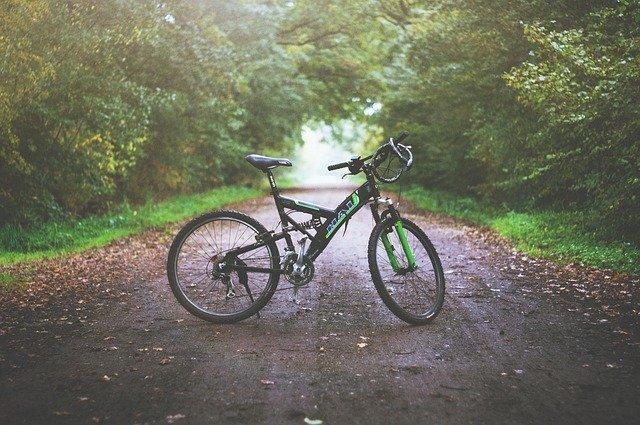
On sixth day you will participate in mountain bike race held annually in Bhutan. Tour of the Dragon is an international event considered as one of the toughest 1-Day mountain races in the world.

On the seventh day of your tour you will be able to enjoy sightseeing in Thimphu including King’s Memorial Chorten, School of Arts and Crafts, National Institute of Traditional Medicine, Buddha Point and more and drive to Paro.

Day 8 you will conclude your stay in Bhutan with a hike to Taktsang monastery aka Tiger’s Nest in Upper Paro valley in Bhutan. It takes around 2-3 hours through beautiful shady pine forests. What is spectacular about the location of Tiger’s Nest is that it literally clings to the rock at 900m above Paro Valley.

On ninth day you will be drove to Paro Airport for your departure from Bhutan in the hope that you will take back happy memories of Bhutan. And we will wait for your return for another exciting trip in Bhutan with us. 

Read full article at: https://www.tourgenie.com/bhutan-tour-packages/tour-of-the-dragon
Travel agents in Sikkim who help you go nomad!

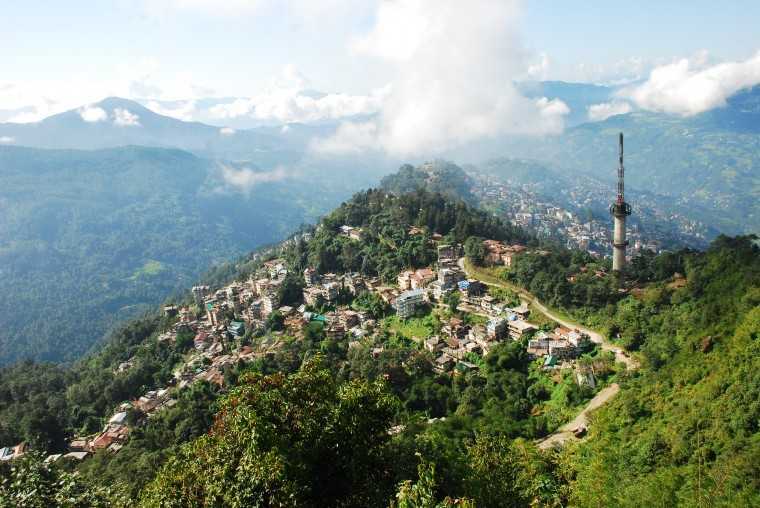
Sikkim is the least populated state in India, a plethora of stunning sights with picturesque views, scenic beauty, pleasant weather, and other charms. And if you are deciding to quench your thirst of traveling to one of the best tourist destinations in the country, do not have to worry about your journey at all. There are many travel agents in Sikkim who will guide you, take care of you, and make sure that your trip turns out to be the best.

The travel agents in Sikkim will take care of your transportation, food, and lodging. They offer advice on trip itineraries and make travel arrangements for the clients.  You can make a list of things you want to do in Sikkim, places you want to travel to, and talk to your agent about them. They will look at them and plan your trip accordingly. Travel agents sometimes provide guides on demand to ensure a more immersive tour for the travelers.

There are some seasons of the year in Sikkim when the state is flooded by travelers, and these seasons are locally called as tourist seasons. While traveling in the peak season it is recommended to register with any of the genuine travel agents in Sikkim so that you may not face problems with transportation, planning trips, and booking hotels. If you do not wish to be associated with any agents with regards to buying tour packages, they you can approach them for pick and drop or any kind of transportation or lodging matters.

It does not matter if you are traveling to Sikkim for a laid back break, seeking for an adventurous journey or taking in the extravaganza of nature’s beauty, this state will not disappoint you. Thanks to travel agents for playing their parts in making holidays easy and memorable for travelers. So aren’t you excited for spending your holidays in Sikkim? You can check for the best holiday packages in your budget with your duration of stay. If you see that the already made packages are not for you, you may talk to travel agents and they will customize packages for you. TourGenie is a trusted Sikkim-based travel company that provides different kinds of tours within the Northeast region as well as Bhutan and Nepal. They offer the best customized packages that promise comfort and safety. Going by the positive reviews, we suggest you give them a try.

Read full article at: https://www.tourgenie.com/travel-diaries/travel-blogs/travel-agents-in-sikkim-who-help-you-go-nomad

Paradise found: the best time to visit Sikkim

There are countless reasons why you should visit this beautiful state in Northeast India. Sikkim can be visited any time of the year, but tourists usually prefer visiting in certain months of the year. Some prefer visiting in winter to beat the unpleasant heat of the plains and to enjoy snowfall while some prefer visiting Sikkim in spring and summer to see the nature bloom, hills live and rivers gushing with glacial melted snow.

The summer in Sikkim starts at around April and lasts up to May. Sikkim is flooded with tourists at this time. The temperature varies from 50 Celsius to 250 Celsius – 280 Celsius but it is not always warm and hot in summer in Sikkim. Sometimes the temperature can fall low even in summers. So it is advised to carry at most a pair of warm clothes however it will not be cold all the time. Summers are mostly warm in Sikkim. People, who cannot cope with cold winters, this season is the best time for you to visit Sikkim. You will not be able to find snow at this time of the year but your trip will be astonishing.

The winter lasts from October till March where the temperature may vary from 70 Celsius to –50 Celsius. During winter, the North and parts of East and West districts are covered with snow as if a white blanket has been draped over them. It gets chilly in winter and you must to carry woolen clothes and warm shoes. You can go for hiking, trekking, and camping and get that adrenaline rush. Sikkim in winter is a wonderland. This time of the year is also considered as one of the best times to visit Sikkim.

Both these seasons in Sikkim are also called as the tourist seasons by the locals. One of the best times to visit Sikkim can be during festivals as well. During spring, a ‘Flower Exhibition Show’, in winter ‘The Red Panda Winter Carnival Festival’, and ‘The Cherry Tea Festival’ is held in November. But during monsoon Sikkim sometime experiences heavy rain showers with thunderstorms, though it makes Sikkim look more beautiful with the smell of fresh soil and clean environment but if you do not want to be cautious while spending your holidays you may avoid visiting this state in monsoon.

Read full article at: https://www.tourgenie.com/travel-diaries/travel-blogs/paradise-found-the-best-time-to-visit-sikkim

Gurudongmar Lake

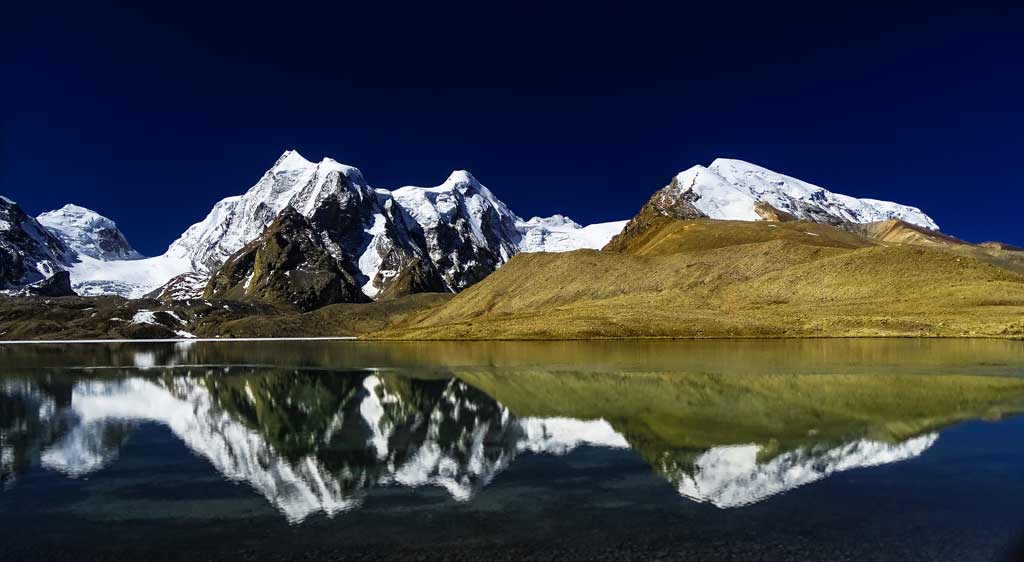
Atop the beautiful Himalayan range, covered on side by the mountains, lie the pulchritudinous Gurudongmar Lake at a whooping altitude of 17800 feet. The Gurudongmar Lake has a unique shape of a footprint when viewed from an aerial perspective and is one of the highest lakes in the world. It is not very far away from the lake is the Indo-China border due to which visiting this lake requires special permit from the government of Sikkim. Though the area is extremely cold and lack of oxygen can be felt, the beauty of the lake makes up for all cons.

 This beautiful lake is believed to be sacred and a religious site and the water of this lake are believed to possess mystical healing powers granting children to issueless couples. Folklore has it that Guru Padmasambhava, founder of Tibetan Buddhism on his way to Tibet had visited the lake centuries ago. The area was so cold that the lake froze throughout the year. When natives pleaded to the guru and prayed how they did not have access to drinking water because of lake froze, it is said that the guru touched a part of the lake and that portion of the lake unfroze. To this day a portion of this scared lake does not freeze and it has become a source of drinking water for the locals living there. The banks of the Gurudongmar Lake also host a monastery for Guru Padmasambhava visited to pray by the natives, army officers and travelers.

The way to this lake is a beautiful long route in close proximity to Himalayan Mountains. The landscape resembles that of the Tibetan plateau and has a very similar flora and fauna. The road to Gurudongmar Lake might be a rough beauty, but the view of the lake will make you forget all the bumps you had along the way.

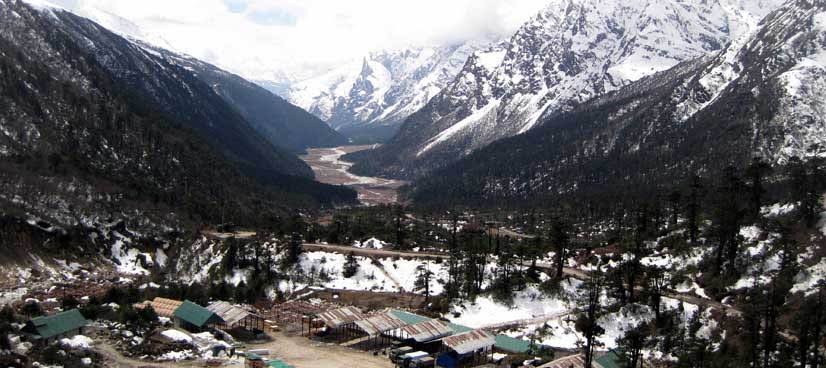
While visiting the lake a night’s stop is required in the small village of Lachen where the uses of plastic products are completely banned and hence you are required to follow this practice as well. You may also stop at some places while returning from the lake. One of the beautiful places of attractions is the famous hot springs of Yumthang valley.  This hot spring is also believed to possess medicinal properties. There are other several places of attractions you can visit during your return.

Read full article at: https://www.tourgenie.com/travel-diaries/travel-blogs/gurudongmar-lake

Home to the wild: National parks in Sikkim

The one and only national park of Sikkim is the Khangchendzonga National Park located in a village called Yuksom in the west district of Sikkim and spread over an area of 1784 sq km. It offers an amazing sighting of the rich flora and fauna on the foothills of Himalayas.

This park is situated in the region that has remained untouched to quite a large extent. You will be able to witness the majestic views of around 19 mountain peaks from the Khangchendzonga National Park of the Great Himalayan range including the Khangchendzonga peak. This park is different from other national parks in the country in many ways; it is the center of multi ethnic culture of the locals that has evolved over time, giving rise to a multi layered religious tradition that centers on the natural environment and its notable features.

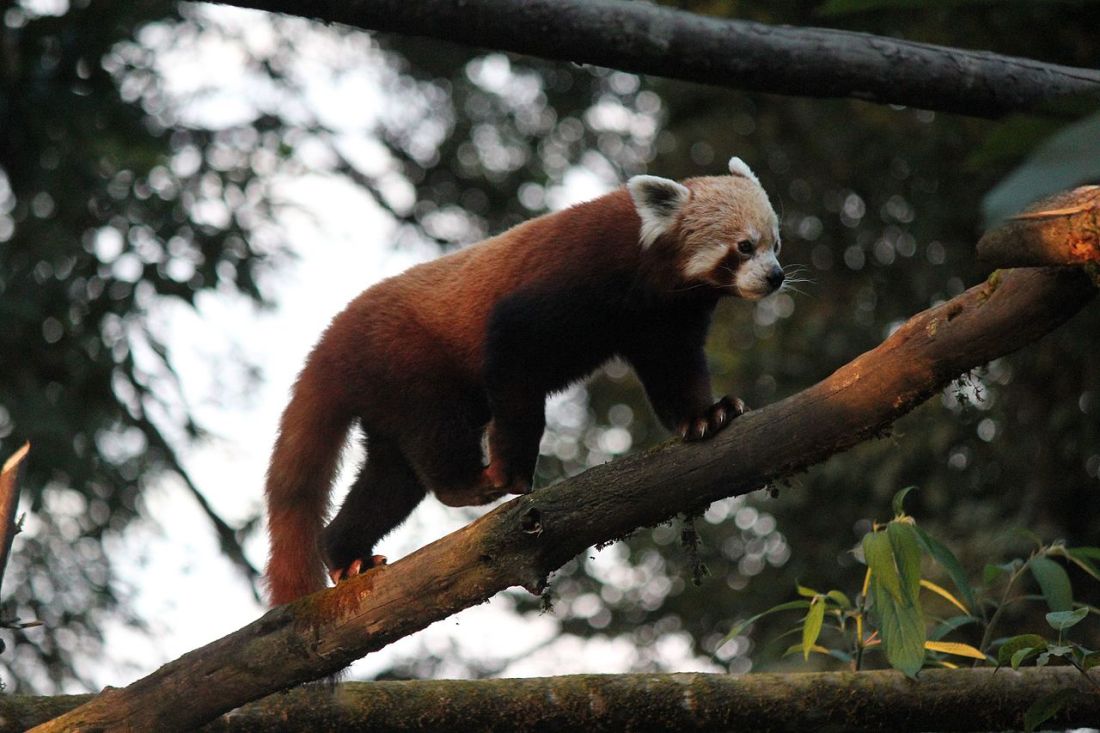
It is also a UNESCO World Heritage Site for its rich and amazing wildlife with beautiful landscapes at the high altitude ecology and the best season to visit is from March to the end of May. It looks truly beautiful in winter when the landscapes are draped with white snow. During winter, snowfall can be heavy and it will shower a lot in monsoon so it is not recommended to visit the park in such times. This national park’s grandeur is undeniable, and the peaks and landscape features are revered across several cultures and religions. Unlike other national parks, the Khangchendzonga National Park is a combination of rugged cold mountains at high altitude with a variety of flora, fauna, and avifauna covered with dense forests. This region also has many medicinal plants and herbs and you can spot animals like snow leopard, red panda, the great Tibetan sheep musk deer and more.

You will need a special pass as in permit to visit Khangchendzonga National Park. The visitors and the tourists from India need to get in line permit from the Home Department in Sikkim from the Government of Sikkim to visit this park. And for the international tourists who are also interested to go for trekking at Zemu glacier, their permit is issued by the Ministry of Home Delhi, Government of India.  

Khangchendzonga National Park is endowed with one of the most magnificent eco-systems in the world. The trip to this park is a wonderful experience to be cherished forever.

Read full article at: https://www.tourgenie.com/travel-diaries/travel-blogs/home-of-the-wild-national-parks-in-sikkim

National parks of Sikkim

Sikkim is a national treasure blessed with wide variety of wildlife and biodiversity. The national park and sanctuaries in Sikkim boast of exotic flora and fauna plus endangered animal and plant species. Along with being an abode for myriad beings, these sanctuaries and wildlife parks are popular tourist.

These parks enable us to witness the wonders of wildlife without disturbing the sanctity of it. Khangchendzonga National Park of Sikkim is a UNESCO world heritage site protecting animals from poaching, vegetation and deforestation. In 2016, it became the world’s first “Mixed Heritage” site. National parks border the fine line between the human world and forest life, which makes exploring them extremely exciting.

There are few things you can do in national parks of Sikkim that will keep you entertained throughout the trip like trekking, sightseeing, exploring ancient religions, safari, camping and more. Blooming amidst the high-rise peaks of the Himalayas, Khangchendzonga National Park offers the best trekking opportunities and witness amazing sights at Goecha La peak, Mount Pandim, and the Rathong Glacier. If you are looking for adventure, you must go for trekking on the rocky terrains and slippery glaciers of these mountains. This park is dotted with lush meadows, sparkling springs, and green lakes that are a feast to the eyes. Hence sightseeing is something you cannot escape here. The park also functions as a sanctum sanctorum for the Buddhists and manyany monasteries are situated inside the park that can be visited. You can also go for jungle safari at Khangchendzona National Park. Safaris are the safest and the least intrusive way of witnessing the wildlife world. Also camping is one of the most exciting activities during this trip. It gives you a mixed sense of natural thrill and modern comfort at the same time. It is both an adventurous and peaceful.

Apart from these activities you can indulge in bird watching. If you are a wildlife or bird enthusiast you will surely enjoy this experience. Many travelers also prefer going for picnics here. The vast spaces of the park coupled with the cool atmosphere of Sikkim make it the perfect spot for picnics and excursions. While you enjoy your trip to this park, you will realize that it is the perfect place for photography. The mesmerizing snow-capped mountain peaks, lush valleys, dense meadows, glacial lakes, hot springs and the natural beauty of the park does not seem to end.

Read full article at: https://www.tourgenie.com/travel-diaries/travel-blogs/national-parks-in-sikkim

12 foods you have to try in Sikkim

The people of Sikkim enjoy using a variety of local ingredients to make their special foods. Tourists in Sikkim have ample opportunity to taste all sorts of delicious cuisines. If you are able to score a home-cooked meal from a homestay or a local friend, don’t miss out!

Here are 12 foods of Sikkim you have to try!

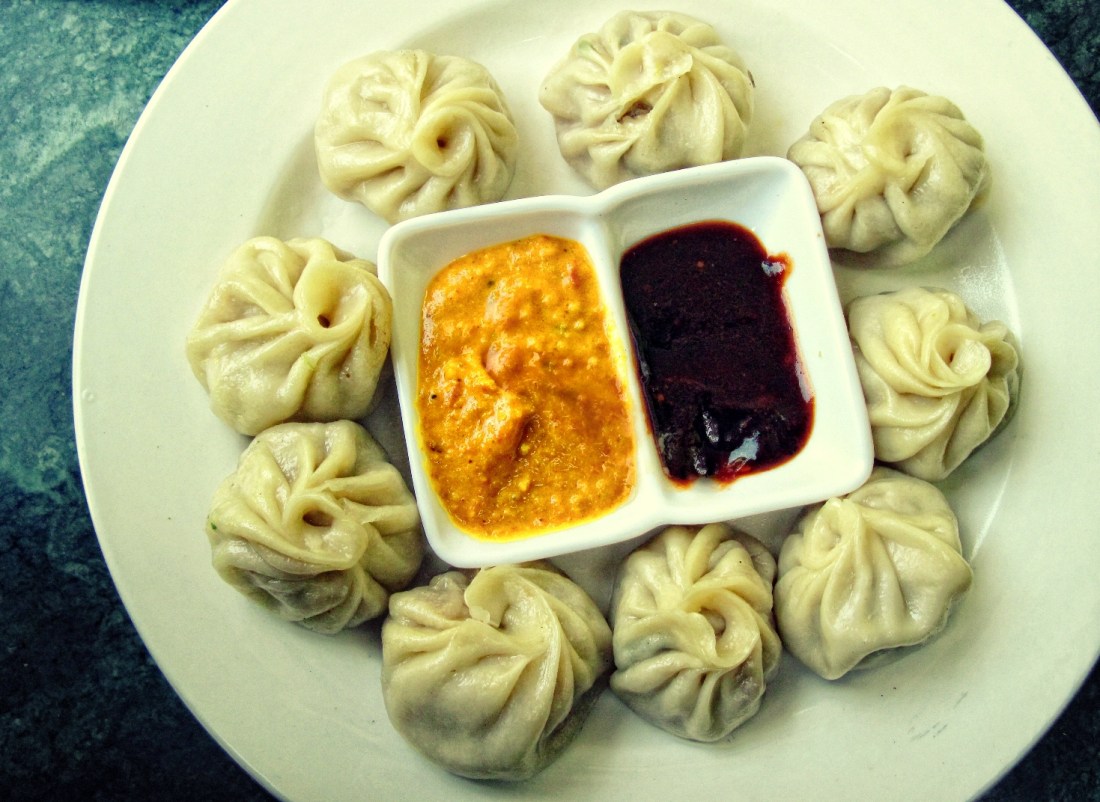
Momo: It is a dumpling filled with vegetables or meat. Momos can now be found all over India, but you will only get an authentic tasty plate in Sikkim.

Taipo: It is similar to momo, but the dough has active yeast that helps it rise and become fluffy and delicious.

Thukpa: Thukpa is local fresh noodle soup, with vegetables, cilantro, ginger, garlic, and soy sauce.

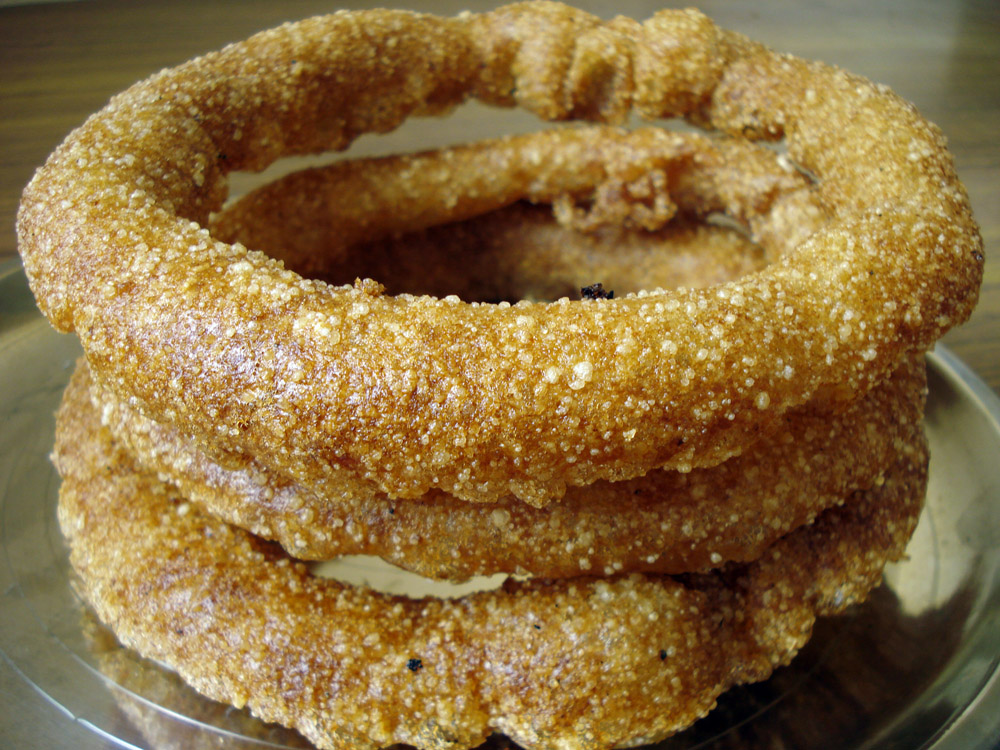
Fox Bread (Shael Roti): It is made from beaten rice, spices, sugar, and ghee twisted by hand and deep-fried. It looks like donuts and is super delicious.

Fried and Filled Tibetan Bread (Phale): It’s a fried pastry filled with vegetables or meat the size of which is about the length of your hand so in and of itself it is a full meal!

Buckwheat or Millet Pancake (Phapar/ Kodo ko Roti): It is basically a pancake, a staple that is routinely made in homes across the state, served with spicy chutney.

Millet Beer (Tongba/ Chang): This local drink is rated between a wine and a beer. Served in a bamboo cup with a bamboo straw it is also important for religious ceremonies and social gatherings.

Cherry Chilly Chutney (Dale Korsani Achaar): It is eaten with meals by adding a dollop to the side of the rice. Often the chutney is made of chilly, fresh ginger, garlic, and roasted tomato.

Fermented SoyBean (Kinema): It is a local food served as side dish and has a pungent smell.

Preserved Mustard Leaf (Gundruk): This fermented mustard leaves made into a broth or chutney is a must try.

Stinging Nettle Soup (Sisnu ko jhol): It is grown during monsoon, high in vitamin B and C cooked into a soup and served with rice.

Fiddlehead Fern Curry (Ningro ko sabji): Ferns grow abundantly during monsoon and the locals like to cook this food like any other vegetable curry or add cottage cheese to make it more delicious.

People remark on how healthy and energetic they feel after eating the local food of Sikkim during their travels. Here’s to eating your heart out in the wonderful state of Sikkim!

Read full article at: https://www.tourgenie.com/travel-diaries/travel-blogs/12-foods-you-have-to-try-in-sikkim

Food of Sikkim

It does not matter if you consider yourself a foodie or not, we all eat. And while you are in Sikkim, there is no way you an escape the delicious mouth-watering food that ranges from sweet and salty to spicy and sour. In fact, it is recommended to try everything rather than limiting your choices.

One of the most famous foods of Sikkim is momos. Believed to be a Tibetan delicacy and modulated by the Nepalese cuisine, momos are the lifeline of Sikkim. It is basically steamed dumplings with fillings and served with spicy chutney. Momos are something that no one can dare to miss in Sikkim. Another popular Sikkim’s dish is thukpa. Thukpa is a noodle soup made of mixed vegetables or meat and eggs and is of Tibetan origin. Sel roti is another one of the most loved and famous dish in Sikkim. It is made with rice flour, sugar, spices and fried in oil or ghee popularly served with aludam. Phaley is a dish you cannot miss in Sikkim. This wonderful dish is literally heaven on your taste buds. It is somehow similar to momos but bigger and not steamed but fried. Phagshapa is another food item loved by locals. It is a strip of pork fat which is stewed with dry chillies and radishes.

The people of Sikkim love dried foods fermented that can last for a long time like gundruk, sinki and kinema. These are made with mustard or radish leaves; bite sized chopped radish and soya beans respectively. Bamboo shoot is also a delicacy in Sikkim either prepared as curry or bottled pickles. The people eat wild ferns locally known as ningro. Churpi is the local word for cottage cheese and Churpi ningro curry is a delicacy in Sikkim. Other favorite foods of locals in Sikkim are kodo ko roti, ghorkhey chutney, nakima, wachipa, khapsey, gya kho and thenthuk.

The staple food of Sikkim is rice and dal bhaat is the local name they use for it. Dal is cooked lentils or pulses and bhaat is the local word for rice. It also consists of sabji which is a vegetable curry or fry, achar and some other side dishes.

The food in Sikkim has all the flavors you can think of, and you will definitely love everything here. These are just some of the finger-licking, highly moreish food found in Sikkim.

Read full article at: https://www.tourgenie.com/travel-diaries/travel-blogs/food-of-sikkim

Snowfall in Sikkim

Sikkim is the crown of India pure and precious untouched by destructions of mankind. Sikkim is one of the top destinations to visit to witness snowfall. I was born in a tiny village called Lachung in North Sikkim and have spent most of my childhood playing and dancing around a snowman.  The precious snowfall in Sikkim rejuvenates me and acknowledges me with utmost peace and happiness.

When I was a child, I and my sister learnt something really interesting. When it starts snowing you can stand still under a roof and watch the snowflakes slowly fall to the ground. If you stand very still and observe the snow falling, you will feel as if you are flying in between those tiny flakes of snow. Another thing I liked a lot when I was a kid during snowfall in Sikkim at my home was to collect a mug full of clean snow and take it to my mother. My mother would add some sugar syrup and milk to my mug of snow and I would suck on it. It was an instant ice cream for me. If you try this be sure never to eat the first snow of winter since it settles down with all the dirt and impurities of wind. My grandmother had an interesting theory about it. She talked about wild winds blowing dusts and impurities out of nature’s body before snowfall and told us that it was a way of nature cleaning itself. After the wild wind when snowfall occurred she told us that was to trap all those dust particles and impurities and was nature’s own mechanism of cleaning her lands. She firmly believed that it was the reason that after each winter’s snowfall, lands looks green and fresh and clean river starts flowing again, trees and flowers start blooming.

One of the most relaxing things to do during snowfall is to sip a warm cup of tea and witness snowflakes struggling to settle on the ground. You can enjoy the snow and play with children enjoying snowball games. Ironically your hands might get cold and shivery but your heart will be filled with joy, happiness and warmth. I felt the same when my 2-year-old niece saw snowfall for the first time. I suggest you get out of your shell and experience some chilling snowfall in Sikkim I know you will love it.

Read full article at: https://www.tourgenie.com/travel-diaries/travel-blogs/snowfall-in-sikkim

Trek in Bhutan

Thinking about going for a trek in Bhutan? Here is a list of places to explore day wise in Bhutan for trekking.

On 1st day you will be received at Paro International Airport in Bhutan by TourGenie’s Bhutan representative who will then take you to your hotel for refreshment. Post lunch you will be taken to visit the National Museum of Bhutan and Paro Rinpung Dzong.

On 2nd day you will go for a short trek up the mountain ridge in Chelela Pass and later to Takin Conservation Centre in Thimphu and then to Tashichho Dzong of Bhutan.

On 3rd day you will start from Geneykha to Bhutan valley, suspension bridge, steep trek trails towards the south to a rock platform and a crest at 3200m after sometime which the forest for camping will be reached.

Day 4 you will trek through several herders’ camps en route to the foot of the broad Labatamba valley near Utso Lake where plenty of golden trout flourish and camp near a lake.

The 5th day of trekking includes short trek beyond lake leading to a valley from where you are required to trek onwards to Panka at 4000m.

Day 6 in Panka is a halt day to explore mountains and lakes.

Day 7 you will trek through the route in north at 4000m and be able to experience the view of the Dagala range and Thimphu from where you will trek down to Goemba and Talakha at 3083m.

On 8th day trek downhill to Chamgang where the vehicle will pick you up and drive you to the capital.

On 9th day you will head out on a day’s excursion to different tourist attractions in Thimphu. Some of the places you will visit on 9th day are the Jungshi Handmade Paper Factory, National Institute of Zorig Chusum, Dochula Pass and more.

Day 10 you will drive up to the base of Taktsang Monastery (Tiger’s Nest) of Bhutan, the most famous and sacred site among all the places. The 2 hours trek till the top through wide pathways is going to be worth the view and tranquility.

Day 11 is the day of departure. The final day of your trip will be just as simple as your arrival to Bhutan. You will make happy memories of your Bhutan trek trip in these wonderful picturesque lands. And we will wait for your return for yet another adventurous trip.

Read full article at: https://www.tourgenie.com/bhutan-tour-packages/trek-in-bhutan