Shillong in monsoons: best time to visit Shillong

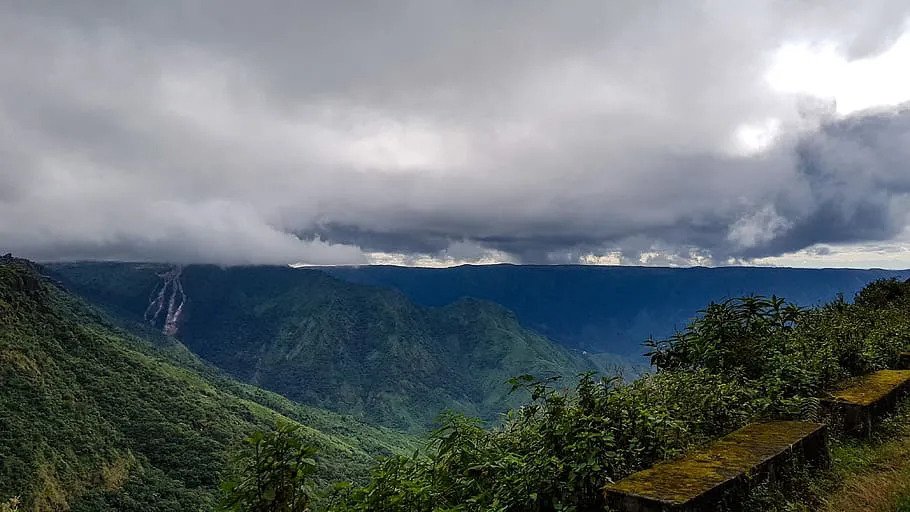
Shillong can be visited any time of the year and it will look absolutely amazing. This is one destination where even the monsoon provides the exhilaration and experience of being on the wettest place on the planet.

The summer normally ranges in between 5°C to 25°C and is one of the best times to visit Shillong. The winter in Shillong is colder with temperature going down to 4°C often enveloping the city in fog. Summer may be one of the best times however, the best time to visit the ‘abode of clouds’ Meghalaya is definitely during monsoon. Cherrapunjee in Shillong is one of the wettest places on earth and the capital makes a good base to explore these places in monsoon. The monsoons start from July and ends in September with heavy downpour taking the temperature between 12°C to 16°C. Monsoon season is the perfect time for nature lovers, the backpackers and people seeking for adventures. One of the best ideas is to make Shillong base for excursions to Cherrapunjee and other places to visit.

Witnessing the rain drenched mountains with beautiful waterfalls in full glory and the thick forest in bright green during monsoon is an experience in itself. Apart from Cherrapunjee, you can visit Mawsynram that gets an average of 11,873 millimeters also the Nohsngithiang Falls and other falls that are mostly fed with rain falls. These falls come to their full glory during the monsoon making it the best time to visit Shillong. During monsoon, the excursions from Shillong would be to Mawphlang and then on to Mawsynram, other would to Cherrapunjee. It is also the best time to visit Jaintia hills, Monoliths of Nartiang and Thadlaskein Lake near Jowai.

With so many wonderful sites to enjoy topping it with very less number of visitors, monsoons are definitely the best time to visit Shillong. Read full article at: https://www.tourgenie.com/travel-diaries/travel-blogs/shillong-in-monsoons-best-time-to-visit-shillong
Enchanted Shillong: The Best Time to visit Shillong

Having been lucky enough to trek amidst the gorgeous Himalayas couple of times, I have always wondered when I first fell in love with the mountains. It was amazing how I was not bored staring at quite rocks in the Himalayas and choosing to be in mountains rather than spending lavish and relaxing holidays in best hotels somewhere else.

I visited Shillong in the end of May. And I must say it is the best time to visit Shillong. It’s a perfect blend of dry and wet weather. The best time to visit Shillong is from October to mid-May. During this time there are no risks of heavy rainfall, landslides etc. From the mid of May starts monsoon season in Meghalaya and I don’t suggest visiting Shillong during these times but for people who love taking chances and are good enough to move around with just a rain coat it is the best time because the whole place turns into a fairy land. However, if I have to suggest the best time, it will definitely be end of May.

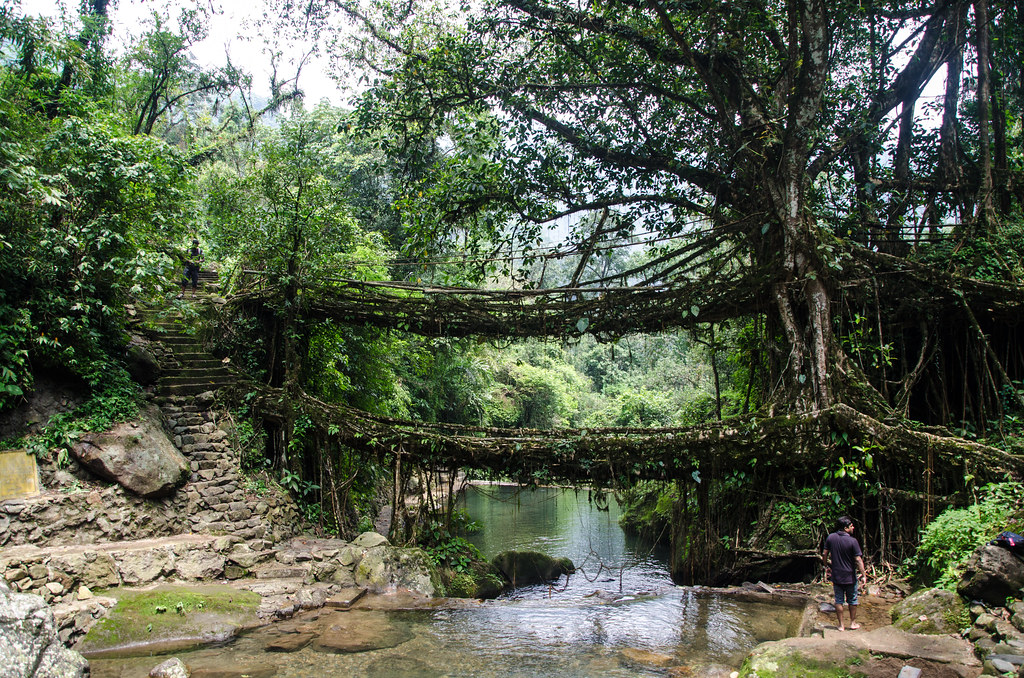
However, monsoons comes with its own drawback, like the visit to the famous living root bridges in Shillong can get really risky because of the growth of the mosses due to rains, so it is best to carry proper shoes while visiting these places. No matter which time of the year you visit Shillong, it is always beautiful and the rains do add magic to it. The heavenly smell of the wet earth, dark green surroundings with colorful blossoms, the painted blue sky with the sun and clouds playing hide and seek, and the red-cheeked kids clapping and playing in the puddles outside their houses adds to the overall experience of being in a hill station. But you must carry some essentials like comfortable shoes, raincoat, jacket, mosquito repellant etc while visiting these places in Shillong.

Read full article at: https://www.tourgenie.com/travel-diaries/travel-blogs/enchanted-shillong-the-best-time-to-visit-shillong

Best time to visit Meghalaya – A comprehensive guide

Meghalaya is a must-visit destination for every traveler who is on a quest for scenic beauty as well as adventure. Meghalaya, which means the abode of clouds, is a box of treasure in the northeast India.

The best time to enjoy a visit to Meghalaya is highly subjective. Meghalaya is the wettest state in general, but the weather varies throughout the year. In Meghalaya, the summer expands from mid-March to June and it’s the peak/best time to visit. Though the peak season, the rush is quite low as compared to other tourist destinations in India since Meghalaya is still well hidden and quite unexplored. During summer, temperature ranges between 120 C -300 C. Monsoon in Meghalaya roughly spans over July to October and in some cases, the rains often hit in the end of June. While some suggest not planning a trip to Meghalaya during monsoon due to heavy rainfall and chances of landslides but the locals say otherwise. The beauty of Meghalaya reaches its peak during monsoon. Everything looks so fresh, clean and clear after the rain. You might face some discomfort while traveling on the roads, but the hues of the sky, gigantic chunks of clouds ranging from grey to black with lush green meadows below them, and the sounds of the mighty waterfalls will come together to form a breathtaking landscapes and symphony, making your visit to Meghalaya a one-of-a-kind experience.

Autumn and winters in Meghalaya can be considered intertwined with each other, with autumn roughly spanning over end of October to the whole of November. Winter ranges between December-February in Meghalaya, with temperatures ranging between 150 C – 30 C. Some consider winter to be the best time to visit Meghalaya since you’d be treated to romantic misty mornings, cool breezes and pleasant cold nights. If you want to go for trekking or hiking then winter is the best time to plan your trip to Meghalaya.  

Read full article at: https://www.tourgenie.com/travel-diaries/travel-blogs/best-time-to-visit-meghalaya-a-comprehensive-guide

Traditional Dress of Mizoram: A cloth of beauty and art

Mizoram is a state with dramatic landscapes, picturesque views of nature and pleasant climate in the northeast India. It is one of the seven sisters of India and just like the other states the traditional dresses worn by the people of Mizoram holds its significant values and are immensely beautiful. These colorful and beautifully designed dresses have touched million of hearts of outsiders and mesmerized millions of visitors.

The main traditional dress of Mizoram is Puan and Puan Chei, carefully designed, hand woven and worn during festivals. Puan is worn like a skirt and Puan Chei is worn while performing traditional dance. Zakulaisen is another traditional dress of Mizoram worn by unmarried girls. The Lusei tribal women wear a blue skirt stitched from gotten fabric as their traditional dress and after marriage they wear a dress called Puon Pie.

Men in Mizoram prefer simple style. There is no traditional dress in particular for men but the dress which is most commonly worn by men involves a long cloth that they wrap around their lower body from waist. Nagotrkhrh is a type of Puan which can be wrapped around the waist. This traditional dress was worn only by men in olden days. However these days it is also worn by women of Mizoram. Hmaram and Cyhna Hno are other traditional dresses of Mizoram that are common in both the genders.

Apart from the traditional dresses, Mizoram is also famous for its new sense of style found in today’s youth. Influenced by Western culture and music the youth of Mizoram carry themselves with exotic dressing sense and trending fashion style which makes them look unique and pretty. Though the western culture may have influenced the fashion sense in Mizoram, all the locals still have utmost respect for their traditional dresses and customs.

Just like these elegant and beautiful dresses people in Mizoram hold high cultural values and are very amicable and kind. Their charming personality and kindness always find a special corner in traveler’s heart and never fail to leave a long lasting impression. It is always nice to go to a place and feel connected with strangers in so many ways and be able to create unimaginable and everlasting memories which will make you always turn back with contentment and bright smile!

Read full article at: https://www.tourgenie.com/travel-diaries/travel-blogs/traditional-dress-of-mizoram-a-cloth-of-beauty-and-art

Understanding the Weather and Temperature in Guwahati

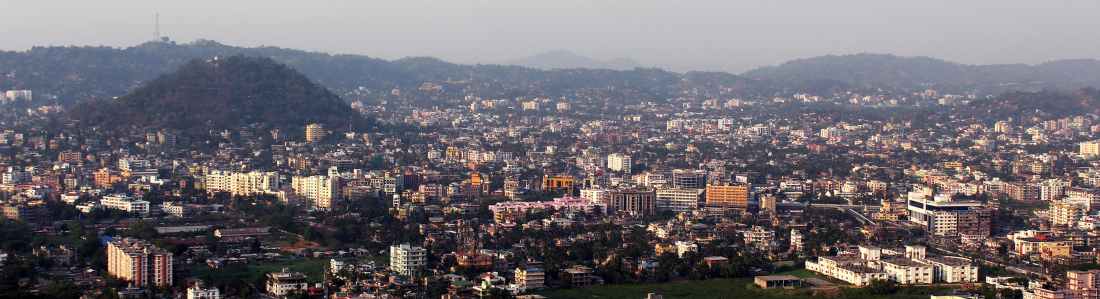
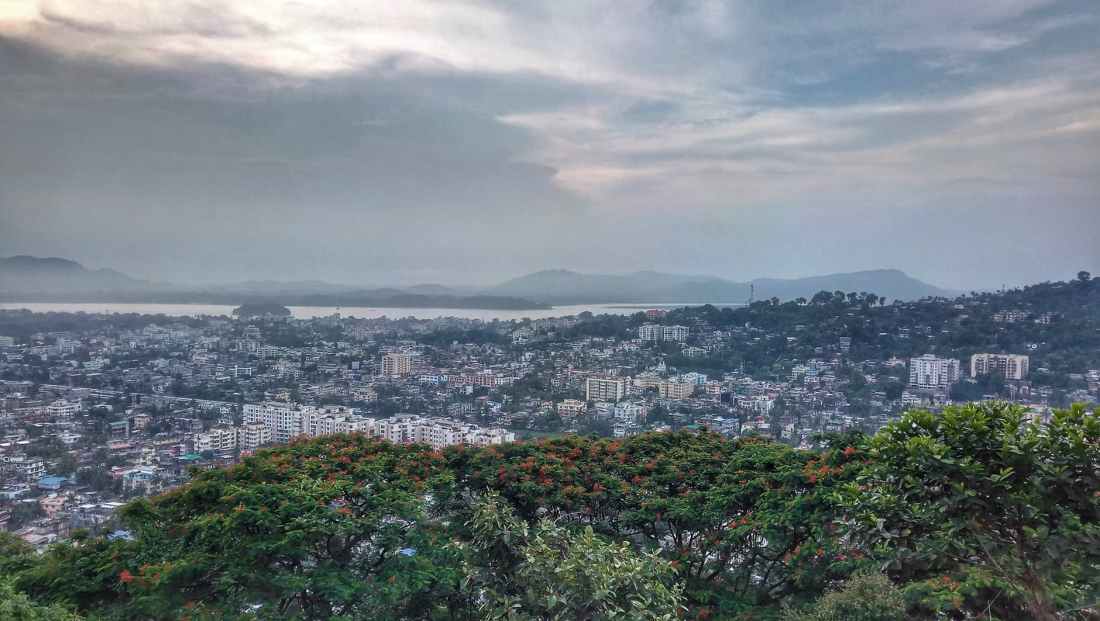
Guwahati is the largest city in Assam and in the whole of North-east India. Its name is derived from ‘Guwa’ which means areca nut and ‘haat’ which means a ‘bazaar’ or market. Situated on the Brahmaputra River, Guwahati is a port city and one of the fastest-growing cities in the country. Even historically, Guwahati has been a bustling trading center. Assam is also equally famous for being the ‘Corridor to the North East’ and rightly so said because you can practically go to any of the other six of the ‘seven sisters’ states of India by road with Guwahati as its base. It even shares its border with the countries of Bhutan, Myanmar, and Bangladesh

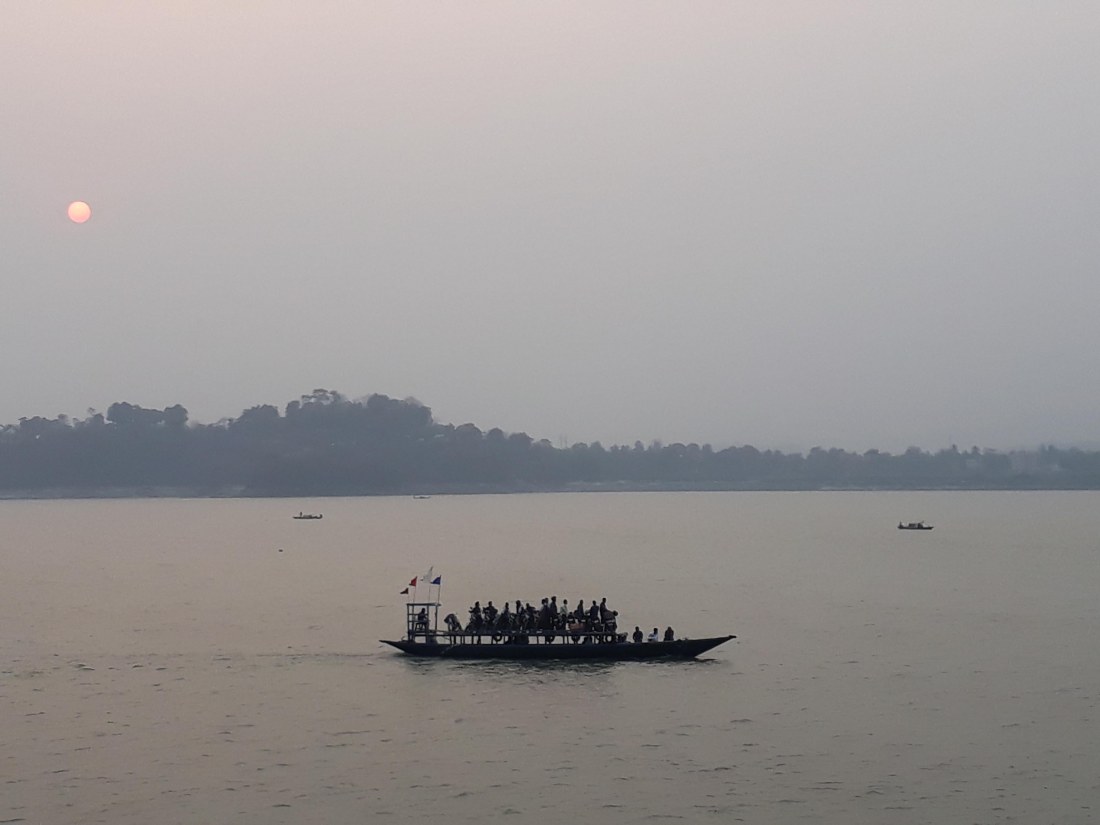
It is also famous as a pilgrimage site, being home to famous temples like the Kamakhya, Navagraha, and Umananda (which also happens to be the largest river island in the world) to name a few. No wonder it receives thousands of visitors every year, especially during Hindu festivals. When taking of tourist attractions, how can one leave out the UNESCO listed Kaziranga National Park which is home to the one-horned rhinoceros and many other exotic wildlife. Not to forget amazing sunsets over the Brahmaputra, that can be viewed in all its glory on a lazy river cruise.

Geographically, Guwahati is in the foothills of the Shillong plateau and is divided into two valleys by the Brahmaputra and the Barak rivers.  It, therefore, has a sub-tropical climate and experiences a semi-dry summer (peak time: April and May) with a maximum temperature of about 36⁰C on an average during this time. Monsoons come in from June and last mostly till September with an annual rainfall which ranges between 1500- 2500 mm and an average humidity around the year of 75%. Winters start from November and last till the end of February.  The minimum temperature stays around 10⁰C, which means the temperature makes this time quite pleasant to move around. This is the perfect time to visit Guwahati and see its diverse attractions and maybe travel to Shillong or Tawang or even to Myanmar or Bhutan from there.

You can also see this article at: https://www.tourgenie.com/travel-diaries/travel-blogs/temperature-in-guwahati

Kaziranga National Park

No trip to Assam is complete without visiting the iconic Kaziranga National Park. It is located amidst two districts of the state, Nagaon, and Golaghat. Not just rhinos and tigers, the majestic Kaziranga National Park also shelters huge numbers of elephants, buffalos, swamp deer, and other animals. Tropical broadleaf forest, tall elephant grass, and marshland form an excellent biosphere for the wildlife here. The airport nearest to Kaziranga National Park, Assam, is Jorhat (Rowirah) Airport, which is located 96 kilometers away. Other major railway stations with proximity to Kaziranga National Park are Furkating Junction and the Guwahati railway station. Kaziranga has numerous government and private lodges, hotels, as well as luxury hotels close to Kaziranga National Park that promise a comfortable stay for all visitors.

Kaziranga in Assam receives a lot of rainfall, which sometimes leads to flooding in Kaziranga National Park. Hence, Kaziranga National Park remains closed for visitors from May to October. The best time to visit Kaziranga National Park in Assam is between November and April.

The best way to experience the wilderness here, is through an elephant safari or jeep safari provided by the park itself. The forest department of the Government of Assam also arranges jeep safaris for the tourists inside Kaziranga National Park. Unlike elephant safari, jeep safari covers a larger area of Kaziranga National Park.  The primary visitor activities here, are observing wildlife and birding. Safaris allow photography inside Kaziranga National Park. Numerous ponds are spread across Kaziranga National Park adding to its beauty. Additionally, the forest department has set up an interpretation center at Bagori, Kaziranga, to let visitors learn more about Kaziranga National Park, Assam. The Kaziranga National Orchid and Biodiversity Park is a recent set up at Durgapur village located in Chirang district in Assam. It has become one of the latest attractions to tourists visiting Kaziranga National Park, Assam.

General guidelines when visiting Kaziranga National Park, Assam

  1. Maintain silence
  2. Do not try to agitate animals 
  3. Do not leave litter behind 
  4. Do not get out of the vehicle except at designated areas 
  5. Do not leave the designated trails
  6. Avoid wearing bright colored clothing

Read full article at: https://www.tourgenie.com/travel-diaries/travel-blogs/kaziranga-national-park

Guwahati to Shillong

Heading to Guwahati for your next vacation? Then add the scenic city of Shillong to your trip as well which is about a 3-4 hours drive. Clubbing these two cities offers a wonderful contrast to tourists. The bustling port city of Guwahati is popularly known for its temples and river cruises and its hustle and bustle. Whereas Shillong, also called the ‘Scotland of the East’ has a serene landscape of rolling highlands, picturesque vistas and pleasant weather year round

Here is our recommendation to make the most of this route on a holiday. Start at Guwahati. If you are travelling from outside, enjoy the evening at leisure over a candle-light dinner atop a cruise on the Brahmaputra. Spend the next day covering major tourist spots here like the Kamakhya temple (one of the 51 shakti pithas), then head to Peacock Island to see Umananda Temple located on the famous Kachari Ghat in Guwahati. There are many other temples to visit here too if you wish to. Otherwise indulge in shopping at Paltan Bazaar. You can spend another day visiting the Assam State Zoo, the Guwahati Planetarium, enjoy a picnic at Nehru Park and pick up curios from the Maati Centre and Paan Bazaar.

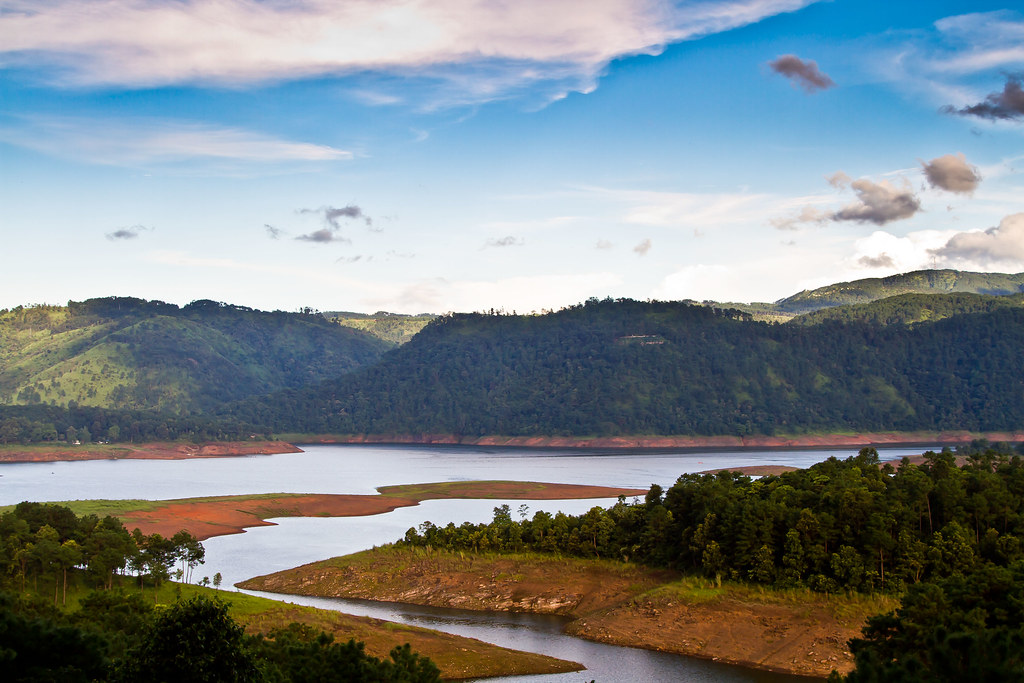
The next day drive down to Shillong, enjoy the scenic route and watch the sun glisten over the Umiam Lake just outside town. Enjoy the evening at leisure. The next day start the day by visiting the stunning blue colored Don Bosco church and museum, the Butterfly Museum, the Ward lake and the Japanese themed Lady Hydari Park. The following day can be enjoyed visiting the Elephant Falls, Air Force Museum, Shillong Peak. Enjoy a boat ride at Umiam lake or enjoy evening shopping at Police and Bara Bazaar for local handicrafts. On your way back to Guwahati on the final day, Visit Sankardev Kalakshetra, a cultural institution near Guwahati and enjoy one last cruise before you head back.

Read full article at: https://www.tourgenie.com/travel-diaries/travel-blogs/guwahati-to-shillong

Guwahati- the Gateway to Northeast: Tourist places in Assam

Guwahati’s graph of interest started rising after the capital was shifted from Shillong to Dispur (part of the city) in 1972. Assam is fondly called the “Gateway to the Northeast” as it is connected to the 8 states in this region as well as neighbouring countries such as Bhutan and Burma. Guwahati’s Lokapriya Gopinath Bardoloi International Airport is one of the busiest in India connecting to most of the major cities and towns as well as international destinations such as Bangkok (Thailand) and Paro (Bhutan). This kind of connectivity makes Guwahati a leading tourist destination. Guwahati, Assam, is not only a place but has a large heart too, catalysing the process of assimilation of various South Asian cultures and offering the best of hospitality. From fabulous viewpoints and bird-watching spots to theme parks and river cruises, the tourist city of Guwahati, Assam, offers almost everything for every type of tourist.

Apart from connectivity, Guwahati is also a treasure trove of culture, feature and history. Kamakhya, Guwahati has many ancient and medieval temples, 19th century mosques, churches, and gurudwaras. One of the modern additions is the Balaji Temple, the showpiece of South Indian cultural influence in Assam. Srimanta Sankaradeva Kalakshetra on the southern edge of Guwahati is a microcosm of Assam’s cultural diversity of various communities that have shaped Assam. At Guwahati’s heart is an epic tank named Dighalipukhuri, named after its elongated (dighal) shape. Then there is Guwahati Planetarium, Assam State Zoo, and Botanical Garden housing 200 species of captive and resident mammals. Again, luxury liners offer more meals with fabulous accommodation and trips to popular tourist destinations such as the silk town of Sualkuchi and Kaziranga.

Other tourist places to visit in Guwahati are the Assam State Museum, Assam State Zoo cum Botanical Garden, the Guwahati Planetarium, the Guwahati War Cemetery, Nehru Park etc.  Apart from Guwahati, there are many tourist places in Assam that are worth visiting. Like Nameri National Park, Padam Pukhuri in Tezpur, Majuli Island, Hoollongapar Gibbon Wildlife Sanctuary, Kakochang Waterfalls, Tocklai Tea Research Centre in Jorhat and Haflong Hill, Haflong Lake, Panimoor Falls in Haflong

Read full article at: https://www.tourgenie.com/travel-diaries/travel-blogs/guwahati-the-gateway-to-northeast-tourist-places-in-assam