Seasons in Meghalaya

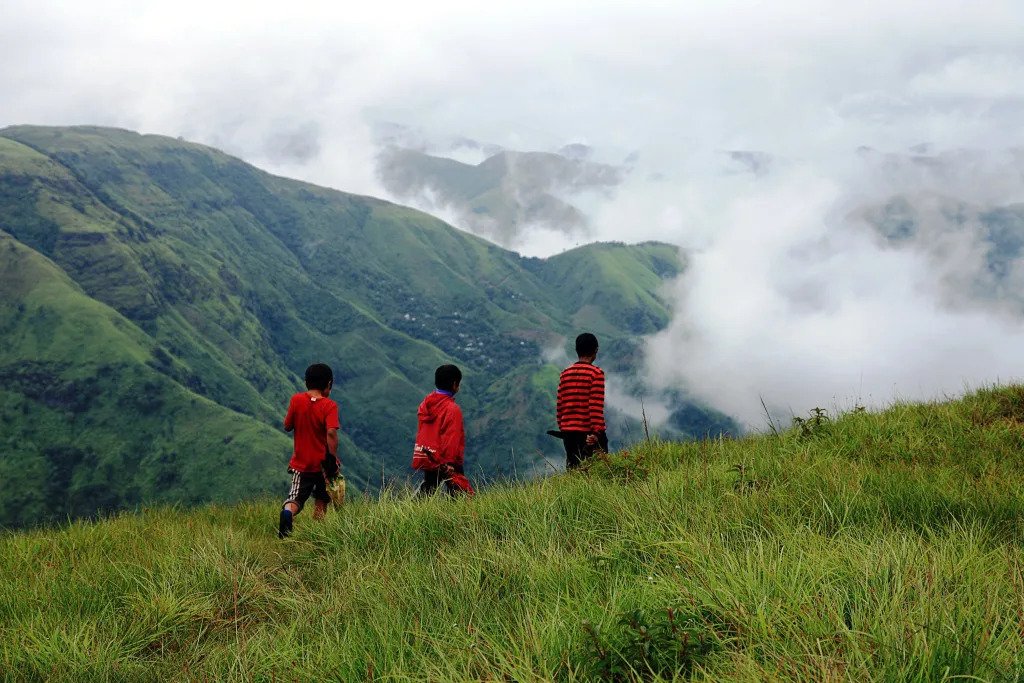
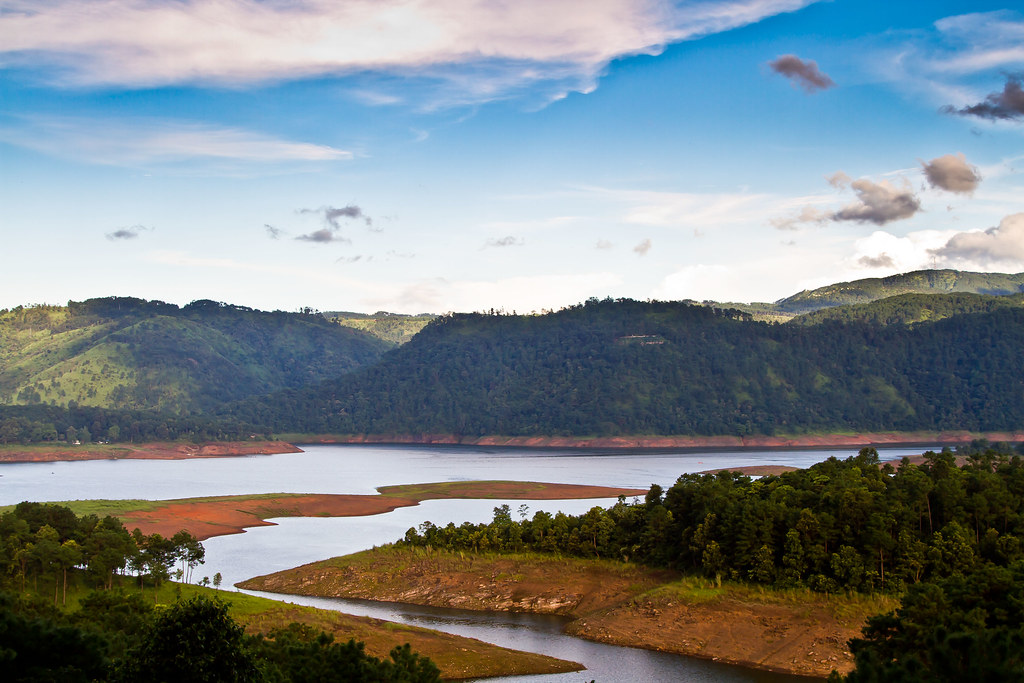
Are you planning a trip to Meghalaya but wondering what would be theBest time to visit? The word Meghalaya is combination of ‘Megh’ meaning clouds and ‘Alaya’ meaning home which translates to the ‘Abode of Clouds’, and true to its meaning it is the wettest place on earth. The best time to visit Meghalaya is all year round; the state has moderate climate throughout the year. Every season in the state gives you a reason to plan a trip to Meghalaya.

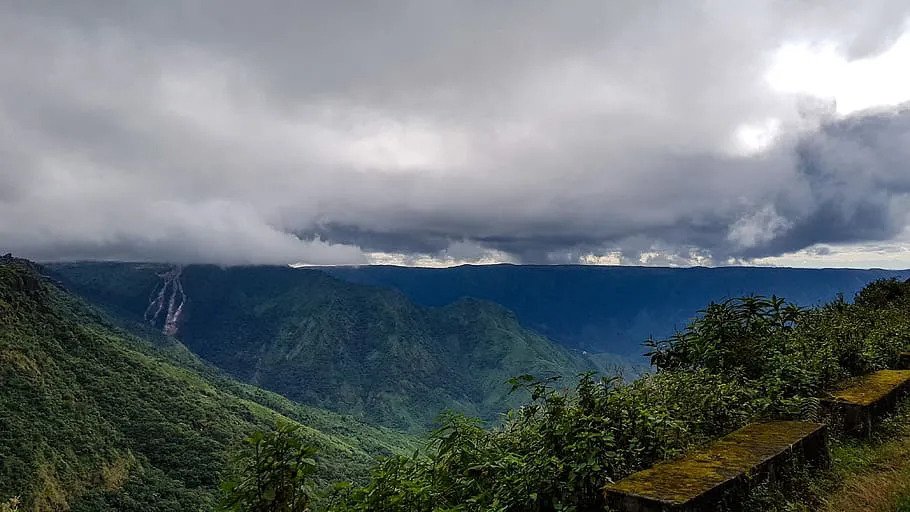
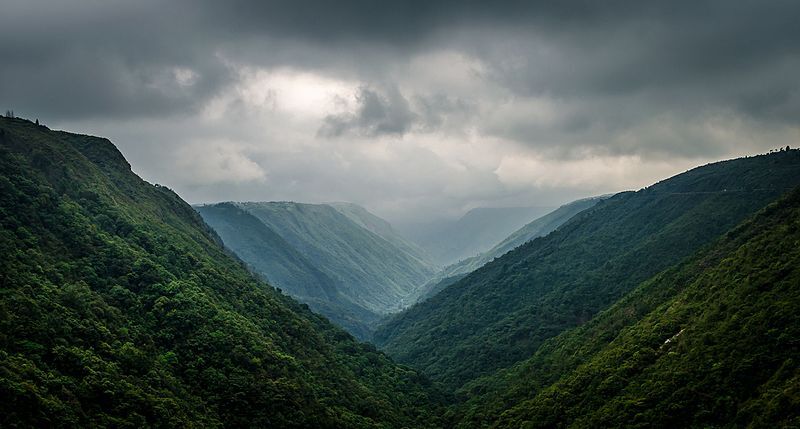
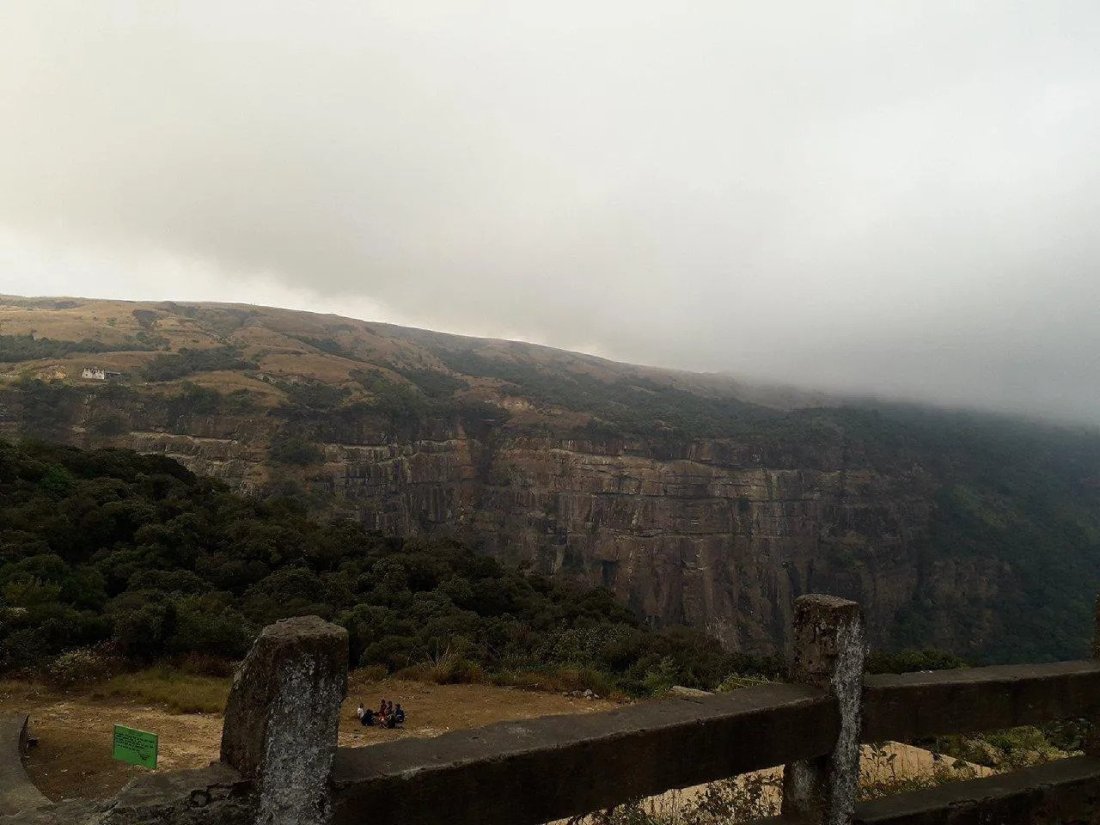
The summer in Meghalaya is between April-June. Summers are moderate and the temperatures seldom go over 25oC in most parts of Meghalaya. The pleasant mornings and evenings, make Meghalaya an ideal place to visit to escape the scorching heat of Indian Summers. Monsoon starts from mid June or the start of July and ends in September. The rains add charm to the place and during monsoon the waterfalls in their full glory are sights to behold. The dense forest cover shows the fresh hue of greens after the rain. Monsoon is the best time to visit Meghalaya to enjoy rainfall and witness waterfalls in full glory. The autumn starts with the end of monsoon in Meghalaya from the late September and lasts till November. Autumn is the time for beautiful cherry blossom trees in Meghalaya which also marks the festival times in the state. The climate is also very pleasant with a slight chill in the mornings and evenings while the day time is quite pleasant, thus, autumn time becomes one of the best time to visit Meghalaya. The winter ranges in between November-March, January and December being the coldest months. During winters the cold fogs cover the town, pine forest and the hills of Meghalaya. It gets chilly and the whole state looks like it is floating on the clouds.

Read full article at: https://www.tourgenie.com/travel-diaries/travel-blogs/seasons-in-meghalaya
Language of Meghalaya

Meghalaya is one of the beautiful states of northeast India. Meghalaya is literally translated to the ‘abode of clouds’ in Sanskrit. This state has the most beautiful landscapes, the mountains, hills, waterfalls and rivers make Meghalaya a great tourist destination. The three major tribes of Meghalaya are the Khasi, Garo and Jaintia.

Khasi is the official language of Meghalaya that was recognized as an “associate official language” in the year 2005. It is spoken by more than 900,000 people in Meghalaya mostly by the people living in Khasi Hills. There are many tribes in Meghalaya and the local languages spoken are Khasi, Pnar, Garo and English as the official language. Meghalaya is one of the states of India however Hindi is not spoken as widely as they do in many other states of the country.

The tribal people have developed a certain form of accent hence it might be difficult for some outsiders to easily understand what they speak. Khasi people are related to Khmer (Cambodians) and this reflects in their language and sounds as well. They may not speak Hindi as much but they are well learnt and many of them know the language. Almost all the people in Meghalaya can speak English well especially in towns and urban areas. English is also one of the official languages of Meghalaya and is easier for travelers to communicate with the locals whenever they visit the state.

However as you start to explore offbeat trails and places in Meghalaya you will realize that the majority of the people speak Khasi and most of them cannot speak Hindi or English. Khasi language is the most spoken language in Meghalaya and while visiting the state learning some important phrases of Meghalaya language will be really handy and useful.

Read full article at: https://www.tourgenie.com/travel-diaries/travel-blogs/language-of-meghalaya

Languages of Meghalaya

Meghalaya is one of the seven sisters, a mountainous state rich in natural spectacle in northeast India. There are three major tribes residing in Meghalaya – Khasi, Garo, and Jaintia tribes. Although English is the official language of the state, the principal spoken languages of Meghalaya are Khasi, Garo, and Jaintia.

Khasi language is also known as Khasia, Khassee, Cossyah, and Kyi that comes from Mon-Khmer family and is one of the very few surviving dialects still spoken in India. Khasi are the only people in India who speak Mon-Khmer, they are primarily settled in Khasi Hills and Jaintia Hills of Meghalaya. It is spoken by nearly 1.6 million people in Meghalaya according to 2001 Census. It was declared as associate official language of Meghalaya in 2005 and has significant dialectal variations.

Garo language in Meghalaya is spoken in northeast India, particularly in the Garo Hills, some parts of Assam and Bangladesh. Garo Meghalaya language is a Tibeto-Burman language of Bodo-Konyak-Jingpho group and is closely related to Bodo language. Garo scripts were first collected by British officials at the end of the 18th century and acquired its Latin-based spelling system in 19th century. The language is not traditionally written down, customs, traditions, and beliefs are handed over to the next generation orally.

Jaintia language is another variation of Khasi language spoken by the people living in the Jaintia Hills, Meghalaya. Khynriam, Bhoi, Pnar, and War speak Jaintia along with Khasi. 

Apart from these official languages there are other languages as well that are spoken by the people of Meghalaya that include Pnar-Synteng, Nepali, Haijong, Bengali, Assamese, Biate and Hindi. It is interesting to know that the three major tribes living in Meghalaya have demarcated their territory where Khasis inhabit central part, Garos the western part, and Jaintias the eastern part of Meghalaya.

Read full article at: https://www.tourgenie.com/travel-diaries/travel-blogs/languages-of-meghalaya

Shillong in monsoons: best time to visit Shillong

Shillong can be visited any time of the year and it will look absolutely amazing. This is one destination where even the monsoon provides the exhilaration and experience of being on the wettest place on the planet.

The summer normally ranges in between 5°C to 25°C and is one of the best times to visit Shillong. The winter in Shillong is colder with temperature going down to 4°C often enveloping the city in fog. Summer may be one of the best times however, the best time to visit the ‘abode of clouds’ Meghalaya is definitely during monsoon. Cherrapunjee in Shillong is one of the wettest places on earth and the capital makes a good base to explore these places in monsoon. The monsoons start from July and ends in September with heavy downpour taking the temperature between 12°C to 16°C. Monsoon season is the perfect time for nature lovers, the backpackers and people seeking for adventures. One of the best ideas is to make Shillong base for excursions to Cherrapunjee and other places to visit.

Witnessing the rain drenched mountains with beautiful waterfalls in full glory and the thick forest in bright green during monsoon is an experience in itself. Apart from Cherrapunjee, you can visit Mawsynram that gets an average of 11,873 millimeters also the Nohsngithiang Falls and other falls that are mostly fed with rain falls. These falls come to their full glory during the monsoon making it the best time to visit Shillong. During monsoon, the excursions from Shillong would be to Mawphlang and then on to Mawsynram, other would to Cherrapunjee. It is also the best time to visit Jaintia hills, Monoliths of Nartiang and Thadlaskein Lake near Jowai.

With so many wonderful sites to enjoy topping it with very less number of visitors, monsoons are definitely the best time to visit Shillong. Read full article at: https://www.tourgenie.com/travel-diaries/travel-blogs/shillong-in-monsoons-best-time-to-visit-shillong

Enchanted Shillong: The Best Time to visit Shillong

Having been lucky enough to trek amidst the gorgeous Himalayas couple of times, I have always wondered when I first fell in love with the mountains. It was amazing how I was not bored staring at quite rocks in the Himalayas and choosing to be in mountains rather than spending lavish and relaxing holidays in best hotels somewhere else.

I visited Shillong in the end of May. And I must say it is the best time to visit Shillong. It’s a perfect blend of dry and wet weather. The best time to visit Shillong is from October to mid-May. During this time there are no risks of heavy rainfall, landslides etc. From the mid of May starts monsoon season in Meghalaya and I don’t suggest visiting Shillong during these times but for people who love taking chances and are good enough to move around with just a rain coat it is the best time because the whole place turns into a fairy land. However, if I have to suggest the best time, it will definitely be end of May.

However, monsoons comes with its own drawback, like the visit to the famous living root bridges in Shillong can get really risky because of the growth of the mosses due to rains, so it is best to carry proper shoes while visiting these places. No matter which time of the year you visit Shillong, it is always beautiful and the rains do add magic to it. The heavenly smell of the wet earth, dark green surroundings with colorful blossoms, the painted blue sky with the sun and clouds playing hide and seek, and the red-cheeked kids clapping and playing in the puddles outside their houses adds to the overall experience of being in a hill station. But you must carry some essentials like comfortable shoes, raincoat, jacket, mosquito repellant etc while visiting these places in Shillong.

Read full article at: https://www.tourgenie.com/travel-diaries/travel-blogs/enchanted-shillong-the-best-time-to-visit-shillong

Best time to visit Meghalaya – A comprehensive guide

Meghalaya is a must-visit destination for every traveler who is on a quest for scenic beauty as well as adventure. Meghalaya, which means the abode of clouds, is a box of treasure in the northeast India.

The best time to enjoy a visit to Meghalaya is highly subjective. Meghalaya is the wettest state in general, but the weather varies throughout the year. In Meghalaya, the summer expands from mid-March to June and it’s the peak/best time to visit. Though the peak season, the rush is quite low as compared to other tourist destinations in India since Meghalaya is still well hidden and quite unexplored. During summer, temperature ranges between 120 C -300 C. Monsoon in Meghalaya roughly spans over July to October and in some cases, the rains often hit in the end of June. While some suggest not planning a trip to Meghalaya during monsoon due to heavy rainfall and chances of landslides but the locals say otherwise. The beauty of Meghalaya reaches its peak during monsoon. Everything looks so fresh, clean and clear after the rain. You might face some discomfort while traveling on the roads, but the hues of the sky, gigantic chunks of clouds ranging from grey to black with lush green meadows below them, and the sounds of the mighty waterfalls will come together to form a breathtaking landscapes and symphony, making your visit to Meghalaya a one-of-a-kind experience.

Autumn and winters in Meghalaya can be considered intertwined with each other, with autumn roughly spanning over end of October to the whole of November. Winter ranges between December-February in Meghalaya, with temperatures ranging between 150 C – 30 C. Some consider winter to be the best time to visit Meghalaya since you’d be treated to romantic misty mornings, cool breezes and pleasant cold nights. If you want to go for trekking or hiking then winter is the best time to plan your trip to Meghalaya.  

Read full article at: https://www.tourgenie.com/travel-diaries/travel-blogs/best-time-to-visit-meghalaya-a-comprehensive-guide

Living root bridges

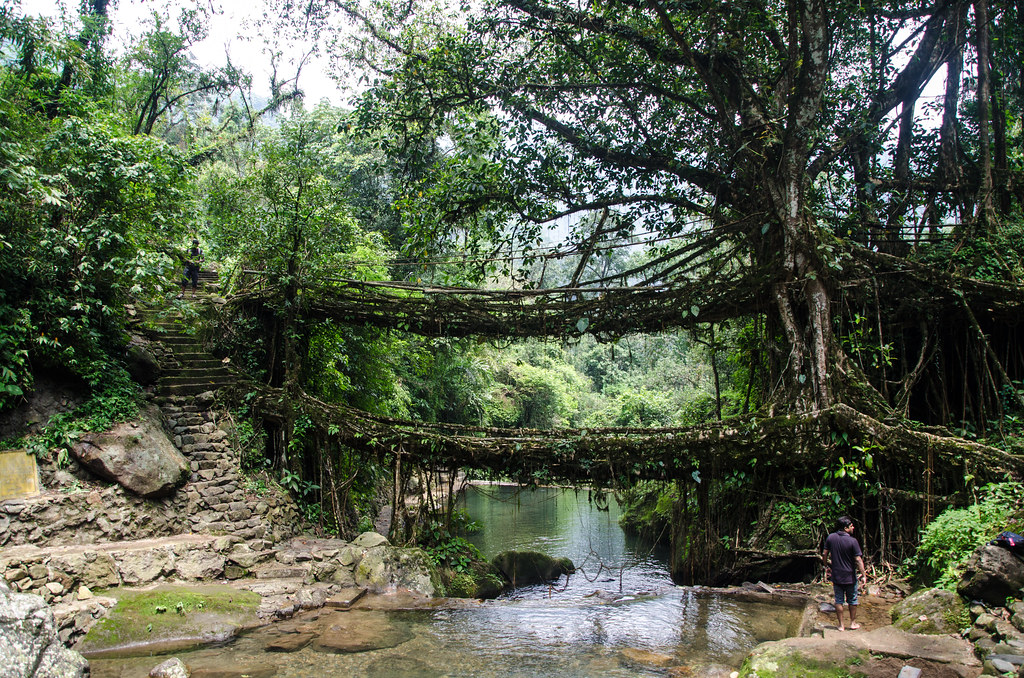
The Living root bridges are common in Meghalaya and can be found in many places. But the most famous of them all are the ones in Cherrapunjee. It is one of the most famous tourist attractions in the state. Living root bridges are a type of simple suspension bridge formed of living rubber tree roots by tree shaping and are hundreds of years old. They are common in the state of Meghalaya in northeast India.

The literal translation of Meghalaya is “The abode of clouds”, Mehga in Sanskrit is clouds. Cherrapunjee in Meghalaya is one of the wettest places in the world. The people living in these regions near living root bridges are called the Khasis. They have developed a relationship with the forest from the ancient times. It is said that the tree shaping was practiced by Khasis tribal group from ancient times and some believe that they are the ones who made the living root bridges.

This tribal group of Meghalaya developed a way to travel through the forest through the waterfalls and other water bodies by creating the living root bridges also known as jing kieng jri. For the formation of a living root bridge it requires at least 25 to 30 years of tree shaping. These roots forming the bridge become stronger with time. The origin of creation of the living root bridges is not really known, however the first record appears more than hundred years ago.

Some of the places in Meghalaya where you can experience the Living Root Bridges are the Nongriat’s Living root Bridges, the Living root bridges at Mawlynnong and the famous Cherrapunjee’s Living root bridges. In Nongriat, you can witness the Living root bridges after a 7000 stairs trek and it is the only way that the villagers can cross the stream. Mawlynnong is the cleanest village of Asia. After a quick walk of about 15 minutes you can reach this living root bridge in Mawlynnong. And there are 11 functional Living root bridges in Cherrapunjee, situated about two and a half hours drive from Shillong.

Read full article at: https://www.tourgenie.com/travel-diaries/travel-blogs/living-root-bridges

Best time to visit Nepal for a perfect vacation

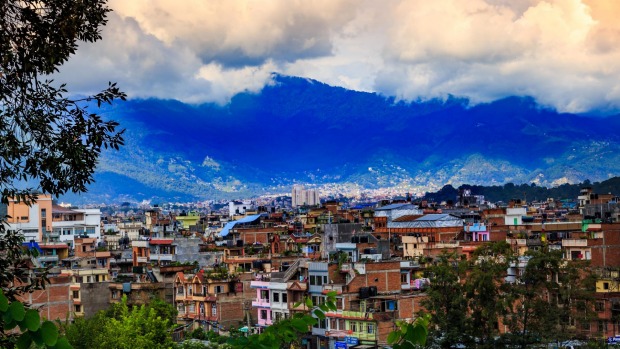
Nepal is located in the Himalayas. It borders China, India and Bangladesh. Tourism is one of the largest industries in Nepal and it attracts people from all around the world. Some of the best places to visit in Nepal are the capital city Kathmandu, Bhaktapur, Boudhanath Stupa, Chitwan National Park, Swayambhunath, Lumbini etc. Before booking your tickets, make sure to check the best time to visit Nepal.

Kathmandu has a very lively atmosphere, and the streets are filled with locals and tourists throughout the year. The best time to visit Kathmandu is between Sep-Dec. At this time, the views of the glaciers and local festivals are the best. Bhaktapur is the third Royal City in Nepal, which lies on the old trade route to Tibet. The best time to visit Bhaktapur is in spring between Mar-Apr and in autumn between Oct-Nov. During this time the weather is pleasant and clear skies make the view of the Himalayas more beautiful. The Boudhanath Stupa located just outside of Kathmandu is one of the largest stupas of its kind in the world. It is located on the old trade route to Tibet and is a UNESCO World Heritage Site. Another place of attraction in Nepal is the Chitwan National Park. It has a tropical monsoon climate, and is famous for wide variety of wildlife and safaris and the best time to visit is between Oct-Feb.

When you are in Nepal for a vacation do visit Swayambhunath temple, the second most important shrine in Kathmandu after Boudhanath. Due to the numerous monkeys in the temple area, it is popularly known as monkey temple in Nepal. The best time to visit the temple is early in the morning before 9 am. Lumbini is a place in Nepal that is the birth place of Lord Buddha situated on the main tourist track, almost 250 kilometers from Kathmandu. The best time to visit Lumbini is between Oct-Nov and Apr-May.  

Annapurna Region, Everest Trek, Langtang, Ghandruk and Dhampus Village are also some other places famous for adventurous activities in Nepal. And before planning a trip make sure to check the best time to visit Nepal for such activities.

Read full article at: https://www.tourgenie.com/travel-diaries/travel-blogs/best-time-to-visit-nepal-for-a-perfect-vacation 

Tour of Nepali food

The food of Nepal comprises a variety of cuisines based upon ethnicity, soil and climate relating to Nepal‘s cultural diversity and geography. Much of the food is variation on Asian themes. Other foods have hybrid Tibetan, Indian and Thai origins.

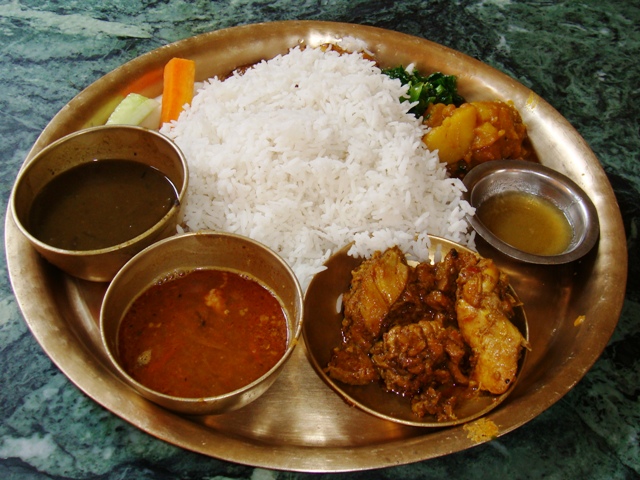
The traditional food of Nepal consists of Dal-Bhat-Tarkari eaten twice daily by most of the people. People of Nepal often have some yogurt with their meal. Himalayan food in Nepal is influenced by Tibet and related to ethnic groups in the Himalaya and Trans-Himalaya like warm foods example – thukpa, butter and salt tea and strong alcohols. Some Himalayan foods include potato curry, momos, yak, goat and sheep meat, Churpi (cottage cheese), thongba etc. Another type of food in Nepal is the Newari food. Newars are urbanized ethnic group originally living in the Kathmandu Valley, but now also in bazaar towns elsewhere in the world and Middle Hills. Newari foods are prepared in huge amount during festivals, rituals or ceremonials. Some of their delicious foods are kwati, kachila, swan puka, wo, chhoyla, mye, paun kwa, sanya khuna etc.

Lohorung are indigenous to eastern Nepal. They have a variety of food in their cuisine made from local ingredients. Some of them are Thongba, Chamre, Wachipa, Yangpen, Wamik, Sibring, Bawari, Dhule Achar, Masikdaam, Saruwa, Kinima, Dibu, Sel roti, and so on. Another type of food of Nepal is the Terai food. A typical terai set includes basmati rice with ghee, pigeon pea daal, tarkari which is basically varieties of vegetables cooked together; taruwa i.e. battered raw vegetables such as potato, brinjal, aubergine, chili, cauliflower etc. Terai food also includes deep fried foods in the oil like papad or papadum and mango pickles, lemon pickles and yogurt. For non-vegetable items, they consume mostly fish or goat curry. Traditionally there never used to be poultry items but nowadays, due to urbanization, poultry items are common.

Food etiquette you must know while having your meal in Nepal is that the food is traditionally eaten with right hand. Touching or eating food with the left hand, which is traditionally used for washing off, after relieving oneself, is a taboo. In Nepal, especially among the Brahmin and Chettri castes, the purity of food and drinks is taken very seriously.

Read full article at: https://www.tourgenie.com/travel-diaries/travel-blogs/tour-of-nepali-food

Traditional Dress of Mizoram: A cloth of beauty and art

Mizoram is a state with dramatic landscapes, picturesque views of nature and pleasant climate in the northeast India. It is one of the seven sisters of India and just like the other states the traditional dresses worn by the people of Mizoram holds its significant values and are immensely beautiful. These colorful and beautifully designed dresses have touched million of hearts of outsiders and mesmerized millions of visitors.

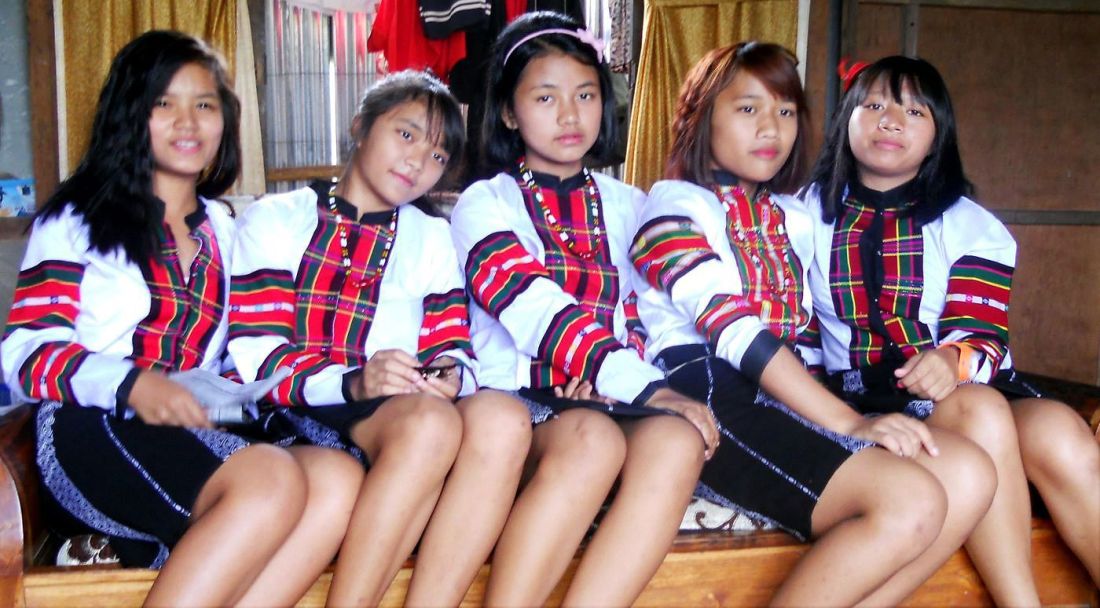
The main traditional dress of Mizoram is Puan and Puan Chei, carefully designed, hand woven and worn during festivals. Puan is worn like a skirt and Puan Chei is worn while performing traditional dance. Zakulaisen is another traditional dress of Mizoram worn by unmarried girls. The Lusei tribal women wear a blue skirt stitched from gotten fabric as their traditional dress and after marriage they wear a dress called Puon Pie.

Men in Mizoram prefer simple style. There is no traditional dress in particular for men but the dress which is most commonly worn by men involves a long cloth that they wrap around their lower body from waist. Nagotrkhrh is a type of Puan which can be wrapped around the waist. This traditional dress was worn only by men in olden days. However these days it is also worn by women of Mizoram. Hmaram and Cyhna Hno are other traditional dresses of Mizoram that are common in both the genders.

Apart from the traditional dresses, Mizoram is also famous for its new sense of style found in today’s youth. Influenced by Western culture and music the youth of Mizoram carry themselves with exotic dressing sense and trending fashion style which makes them look unique and pretty. Though the western culture may have influenced the fashion sense in Mizoram, all the locals still have utmost respect for their traditional dresses and customs.

Just like these elegant and beautiful dresses people in Mizoram hold high cultural values and are very amicable and kind. Their charming personality and kindness always find a special corner in traveler’s heart and never fail to leave a long lasting impression. It is always nice to go to a place and feel connected with strangers in so many ways and be able to create unimaginable and everlasting memories which will make you always turn back with contentment and bright smile!

Read full article at: https://www.tourgenie.com/travel-diaries/travel-blogs/traditional-dress-of-mizoram-a-cloth-of-beauty-and-art