Best time to visit Sikkim

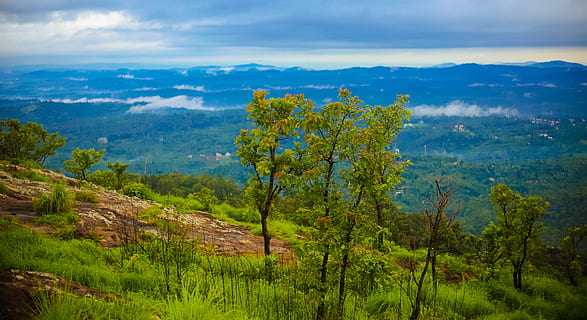
Sikkim is a state in northeast India with a very strategic location bordering Tibet, Bhutan, Nepal and West Bengal. Today Sikkim has become a popular tourist destination. It is also the first organic state of India and has strong commitment to protect ecology. The uses of plastics in Sikkim are totally banned and smoking in public areas is strictly prohibited.   

You can visit Sikkim any time of the year and the state will always have something to offer. The summer in Sikkim ranges from April-June and the temperature normally vary from 100 C–280 C. Summer is the best time to visit Sikkim if you want to see beautiful orchids, rhododendrons in full bloom and if you are seeking for some adventures. During summer there is no snowfall in Sikkim and if cannot cope with extremely cold weather, summer is the best time to visit Sikkim for you. The winter starts from October and lasts up to March. The temperature in winter in Sikkim vary from  -10 C- 70 C. Winter is the best time to visit Sikkim if you want to enjoy some snowfall and feel the chills of the hills. Snowfall does not occur in all the places of Sikkim but in the north, parts of East and West. Even if you are visiting Sikkim in summer do not forget to carry a pair of warm clothes. Sometimes it may get chilly even in the summers. The monsoon starts in July and ends around August to the start of September and the temperature ranges from 40 C to 150 C. Some people do visit Sikkim during monsoon but if you don’t like getting wet or want to avoid any unpredictable weather it is advised not to visit Sikkim in monsoon. The best time to visit Sikkim is subject to change with respect to the nature of traveler that you are.

Read full article at: https://www.tourgenie.com/travel-diaries/travel-blogs/best-time-to-visit-sikkim
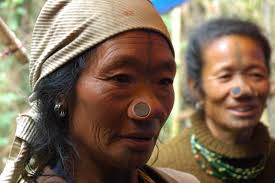
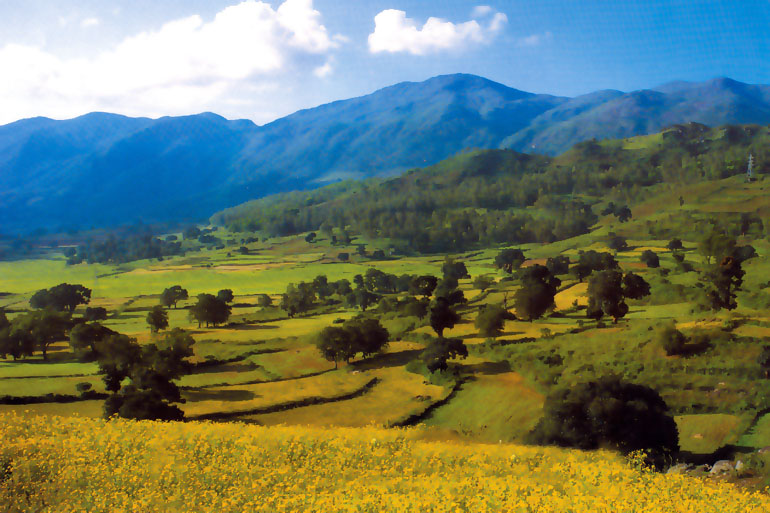
Customs and lifestyle of Apatani tribe of Ziro in Arunachal Pradesh

Arunachal Pradesh in northeast India is one beautiful treasure house that is not only famous for its natural beauty but also for its rich culture and tribal heritage. This state has around 26 tribal groups and one of the interesting groups is the Apatani tribe.

Residing in the mesmerizing valleys of Ziro in Arunachal Pradesh, the Apatanis have distinct civilization. The population in Ziro is very less compared to other places in the state and the population is formed by the Apatani tribal group in Ziro. The culture and appearance of the tribe are quite interesting and they have rich traditional ecological knowledge of natural resources management and conservation acquired over the centuries. These people not only make the valleys of Ziro rich with rice cultivation but also celebrate many colorful festivals and are skilled in designing intricate handlooms and make handicrafts out of cane and bamboos. Unlike many other tribes, this tribe is non nomadic and are permanently settled in Ziro; they practice wetland cultivation in terrain by slicing hills whereas other tribes in this state practice cultivation in dry land by cutting down forests. The Apatanis of Ziro in Arunachal Pradesh do not use any farm animals or machines for cultivation. However they are popular for extremely high productivity and unique traditional ways of preserving ecology which led UNESCO to propose the Apatanis in Ziro valley for including as a World Heritage Site.

The Apatanis stand out from others also due to their appearance. The older women wear facial tattoos and large nose rings. However these traditions are non-existent now but you may still see some older women with such features. Ziro is also one of the oldest villages in Arunachal Pradesh and it is recommended to visit Ziro either in summer or the winter.  

Read full article at: https://www.tourgenie.com/travel-diaries/travel-blogs/customs-and-lifestyle-of-apatani-tribe-of-ziro-in-arunachal-pradesh

Be amazed by the beauty of Ziro in Arunachal Pradesh

Arunachal Pradesh in northeast India translates to the ‘land of dawn-lit mountains’, often called as the land of the rising sun. The lush green rolling hills, dense forests, rich culture, fresh water bodies and the least traveled places in Arunachal Pradesh attracts tourists from all around the world.

Ziro is an attractive quaint town in Lower Subaniri district of Arunachal Pradesh which is home to the Apatani tribe. Ziro is the cradle to this tribal group with warm and gentle climate famous for its pine trees and rice fields. Besides the astonishing scenic views, this quaint town Ziro is famous for Apatani tribal heritage which invokes curiosity among travelers. It is a popular tourist place in Arunachal Pradesh and was also shortlisted for inclusion in the tentative list for nomination to UNESCO for the inscription in World Heritage Site. The stunning valleys of Ziro are around 115km away from the capital Itanagar and might take approximately three and half hours to reach. On your way to Ziro, you can witness other beautiful sides of the state and be amazed by the views that it offers.

During summer from April-June the place becomes warm is a good time to experience the warmth of the hills. The winter between October-March is also an appropriate time to visit Ziro and enjoy the views of the nature. It is not recommended to visit Ziro in monsoon from July-September to avoid any kind of difficulties during your trip like heavy rainfall, flood etc.

Travelers seeking for tranquility may visit Ziro in Arunachal Pradesh and wander in this charming little town to be found in between the epitomic scenic beauty. If you are nature lover, an adventure seeker, looking for camping site or soul captivating experience, Ziro in Arunachal Pradesh is for you and this place will not disappoint you.

Read full article at: https://www.tourgenie.com/travel-diaries/travel-blogs/be-amazed-by-the-beauty-of-ziro-in-arunachal-pradesh

Diversity of North East: Take a north east India tour

Taking a tour of northeast India is like going on a trip which is an emotionally turbulent yet worthwhile. Home to more than 220 ethnic communities with more than 25% of land covered with forest with a wide variation of altitude,  northeast India comprises of Assam, Arunachal Pradesh, Nagaland, Manipur, Mizoram, Tripura Meghalaya and Sikkim. 

The northeast India tour for any travel enthusiast should be a must have place on their travel wish list. These regions are extremely diverse in many fields. People living in these states may have similar facial features but the languages they speak are totally different. Northeast India is equally varied as far as festivals are concerned, with so many tribes and each having their own festivals almost every second day there is some festival. Planning northeast India tour around these festivals is a good option. They also have wide variety of food and each place has something to offer. Usually the foods in these regions are not as spicy as rest of the country; they are generally less spicy, boiled or steamed. Though they do not use many spices but hot chili, ‘king chilies’ or ‘cherry peppers’ are really popular here and are found in most of the dishes. Northeast India is also culturally diverse and different ethnic groups have different customs and traditions. The culture resides in the hearts of the people and they see it with utmost respect.

 Northeast India does not just have tribal people and jungles but has it fare share of modern cities which are at par with any modern city of India. Its vast cultural diversity topped with abundance of natural areas, wildlife, makes it an ideal place for holiday.

Read full article at: https://www.tourgenie.com/travel-diaries/travel-blogs/diversity-of-north-east-take-a-north-east-india-tour

North East India tour

Northeast India comprises of eight beautiful least explored and unreached states of India namely, Sikkim, Assam, Arunachal Pradesh, Manipur, Mizoram, Nagaland, Tripura and Meghalaya. These states remained hidden from rest of the world for a long time and most of the parts of northeast India are still unexplored and traveled.  Earlier any tour to northeast India was rare but with the increase and growth of global market and technology these places have become some of the most visited destinations in India. These days, tourists and travelers from all around the globe come for northeast India tour.

Sikkim is the second smallest state of India. Some of the places to visit in Sikkim are Gangtok, Gurudongmar Lake, Pelling, Yuksom, Namchi, Nathula Pass, Yumthang Valley, Ganesh Tok, Hanuman Tok etc.

Tripura is known for archeological sites and amazing architectures. Some of the popular places to visit are Ujjayanta Palace, Neermahal Palace, Unakoti, Agartala, Sepahijala Wildlife Sanctuary etc.

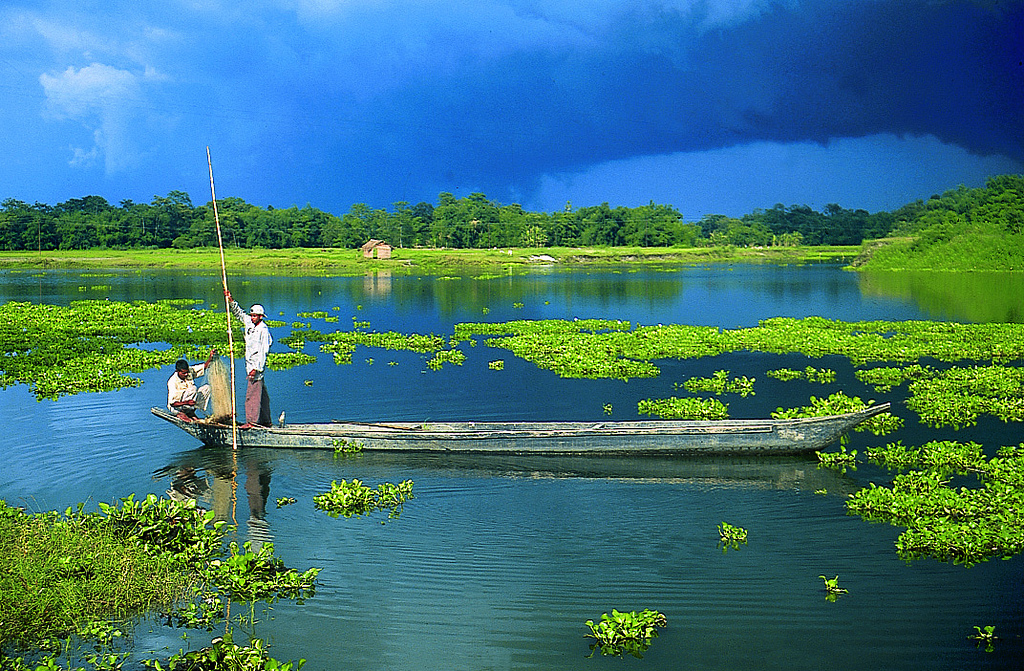
Assam is famous for tea production, rich wildlife and religious sites one of which is the Kamakhya Mandir. Some of the popular places of attractions are Guwahati, Kaziranga National Park, Manas National Park, Dibrugarh, Majuli etc.

Arunachal Pradesh is blessed with natural beauty and stunning views. Some of the places to visit are Tezu, Namdapha National Park, Roing, Sakteng Wildlife Sanctuary, Tawang, Ziro, Sela Pass etc.

Manipur is rich in culture and tradition and some of the places to visit are Imphal, Loktak Lake, Ukhrul, Kangla Fort, Tamenglong, Sendra Island etc.

Mizoram offers amazing places to visit and explore like Champhai Lake, Aizwal, Lunglei, Murlen National Park etc.

Meghalaya has the wettest place on earth, the cleanest village and the longest cave in Asia. Places to visit in Meghalaya are Shillong, Cherrapunjee, Elephant Falls, Dwaki, Mawsami cave etc.

Nagaland is a land of unimaginable beauty. Some of the popular places to visit are Kohima, Dimapur, Ntanki National Park, Dzukou Valley, Wokha, Mokokchung, Longkhum, Benreu etc.

Read full article at: https://www.tourgenie.com/travel-diaries/travel-blogs/north-east-india-tour

Pashupatinath Mandir in Nepal

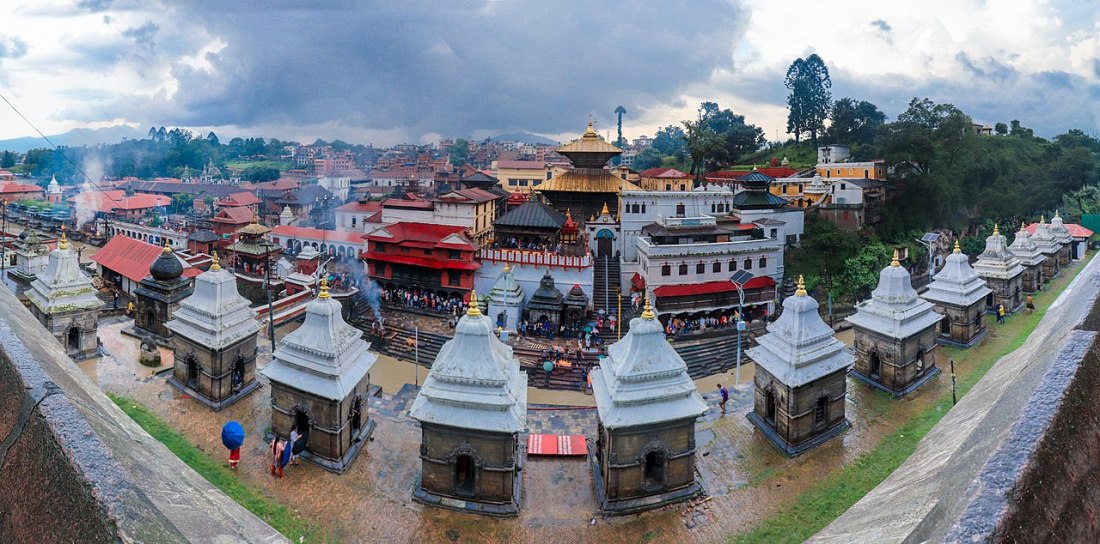
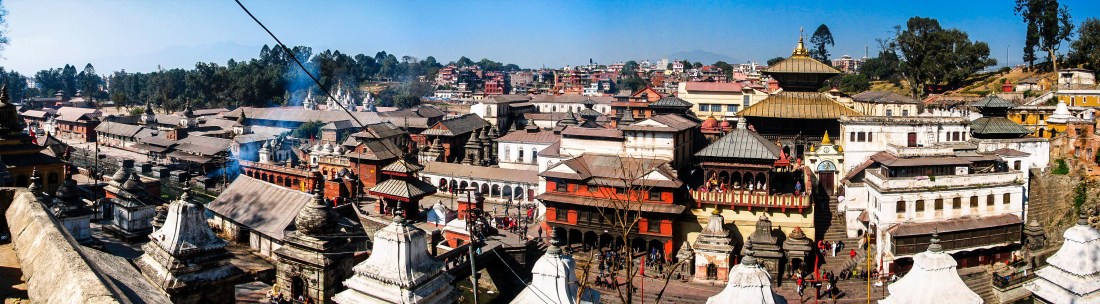
Nepal is not just beautiful but also is enriched in cultural and religious symbols and practices and offers wide realms for spirituality too. Among the many religious sites, Pashupatinath Mandir remains the biggest holy mandir in country. One of the four major religious sites in Asia dedicated to Lord Shiva is Pashupatinath Mandir in Nepal built in the 5th century.

Though the exact history of the existence of the temple is not known but there are many legends and myths associated with the construction of the temple. The Pashupatinath Mandir complex is widely stretched on both sides of Bagmati River and the temple portrays exquisite architectural beauty built in pagoda style with gold-covered roof and silver doors. In the east of Pashupatinath Mandir lies Guheshwori Mandir, dedicated to Sati Devi, the first wife of Lord Shiva. This temple is also regarded as one of the most important mandirs in the premises of Pashupatinath, believed to be a symbol of power (shakti). Other various temples present within the premises are Bhuwaneshwori, the Dakshinamurti, Tamreshwor, Panchdewal, Bishwarupa, and others. All the mandirs have their own meaning, values, and rituals to be performed.

The Pashupatinath Mandir carries huge mythological and spiritual value for the people of Nepal residing across the world. Many believers in Nepal come to reside here during their last days of life. Legends have it that people who die in the premises of the mandir are reborn as human beings despite their misconduct in their lifetime. The premises of Pashupatinath Mandir in Nepal are used for different purposes. One can find this a perfect place for meditation; some indulge in exploring ayurvedic, some come for darshan, some are touristsand some come to meet the astrologers.  

Read more article at: https://www.tourgenie.com/travel-diaries/travel-blogs/pashupatinath-mandir-in-nepal

Planning a trip? Best time to visit Darjeeling

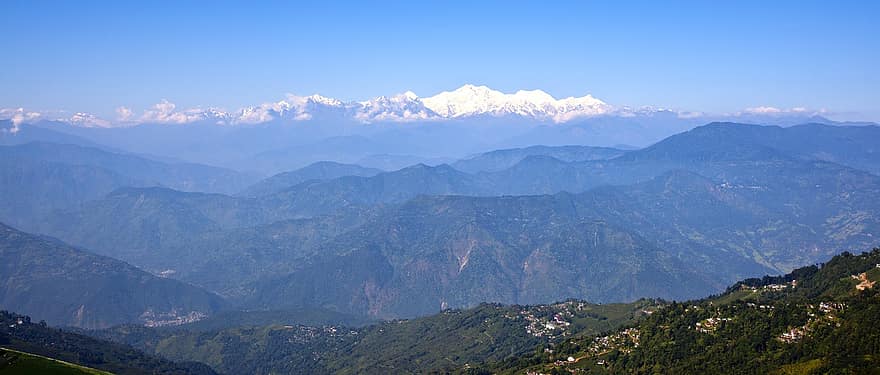
Darjeeling in West Bengal is well known as the queen of hills located in the lesser Himalayas at an elevation of 6,700 ft. Darjeeling is a popular hill station that attracts many tourists from around the world. Best known for its mesmerizing natural beauty, tea industry, lush green hills, and the view of Khangchendzonga, Darjeeling is a popular spot for a memorable holiday. 

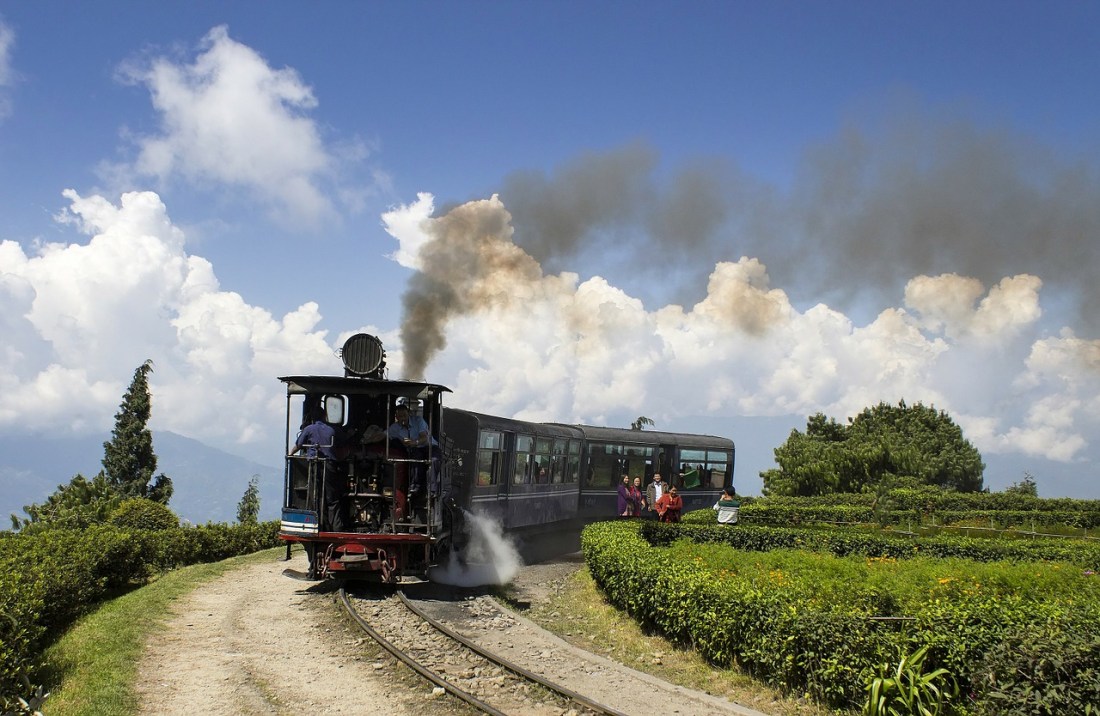
Best time to visit Darjeeling is throughout the year but there are some months that work the best. Some of the popular places of attractions in Darjeeling are the Tiger Hill – the highest point of the district. Best time to visit Darjeeling may vary by the place you want to go, but the best time to visit Tiger Hill is between October-December. Batasia Loop is the perfect trail if you wish to witness the 3600 view of Darjeeling town within 20 minutes. The Darjeeling Himalayan Railway passes through Batasia Loop and the best time to visit this place is between March-May and October-November. Darjeeling is also known for Singalila National Park located at an altitude of more than 7000ft above sea level. The best time to visit this national park in Darjeeling is between March-May and September-December.

Another place of attraction in Darjeeling is the Rock Garden located 10km from Darjeeling, a garden terraced with a natural waterfall called as the ‘Chunnu Summer Falls’. It is also called as the Barbotey Rock Garden and is a great place to visit in Darjeeling. While in Darjeeling do not forget to ride the famous Darjeeling Ropeway that was established in 1968 and is the first cable car system to have ever been established in India. Situated above Chowrasta Square at 2km from Darjeeling Himalayan Railway Station is the Observatory Hill, one of the most visited places in Darjeeling. Darjeeling is a blessing to India, one of the prides of the country. The best time to visit Darjeeling is between March-May, and October-November.

Read full article at: https://www.tourgenie.com/travel-diaries/travel-blogs/planning-a-trip-best-time-to-visit-darjeeling

Discover Kathmandu places to visit

The capital city of Nepal, Kathmandu with a population of around 2.5 million is the first region in Nepal to face the unprecedented challenges of rapid urbanization and modernization at a metropolitan scale. Kathmandu is also known as the city of temples that stands at an elevation of approximately 1,400 meters above sea level. Kathmandu valley is also termed as the ‘Nepal Mandala’ and many holy shrines can be found in almost every corner of the city.

Kathmandu is one of the centers of Nepal’s history, art, culture, and economy beautifully settled in a bowl shaped valley and has a multi-ethnic population within a Hindu and Buddhist majority. There are many places to visit in Kathmandu that attracts tourists from all over the world. Almost all the areas of the city are crowded with travelers throughout the year. Pashupatinath Temple is a famous and sacred Hindu temple complex about 5km from Kathmandu and is one of the seven monument groups in UNESCO World Heritage Sites. One of the popular places to visit in Kathmandu is the Boudhanath Stupa, one of the largest spherical shrines in Nepal. Other places to visit in Kathmandu are the famous Thamel Bazaar the center of tourist industry in Kathmandu for over four decades, Swayambhunath Temple that occupies a central position and is one of the most sacred Buddhist pilgrimage. The Garden of Dreams, Indra Chowk, Kopan Monastery, Phulchowki, Narayanhiti Palace, Dakshinkali Temple and Taudaha Lake also magnetizes tourists to visit Kathmandu.

Kathmandu Durbar Square is one of three Durbar (royal palace) Squares in the Kathmandu Valley in Nepal, all of which are UNESCO World Heritage Sites and a famous tourist’s spot. Similarly Hanuman Dhoka and Kumari Ghar are some of the most visited places in Kathmandu and they also hold religious values and attract local and no local pilgrims from around the world. Read full article at: https://www.tourgenie.com/travel-diaries/travel-blogs/discover-kathmandu-places-to-visit

Tawang Chosen by Horse

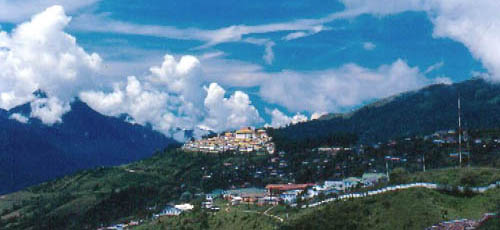
Tawang is a town in the north western part of Arunachal Pradesh located at an altitude of 3000 meters across the Sela Pass at an altitude of 4170 meters. The town Tawang in Arunachal Pradesh has developed around the Tawang Monastery, the largest Monastery outside of Tibet founded by Lams Lodre Gyatso in 1681.

 Tawang has an interesting legend as to how it was named; it is said while Lodre Gyatso was scouting for an auspicious site stopped to rest for a while to meditate and seek divine interventions. When he woke up he found his horse missing and went looking for it. He finally found the horse on top of a hill called Tana Mandekhang grazing peacefully. He then took it as an omen and with the help of locals established the monastery naming it Tawang, Ta meaning Horse while wang-chosen.

Today, Tawang in Arunachal Pradesh has emerged as one of the most popular tourist destinations due to its pristine scenic beauty and pleasant weather during summers. Beside Tawang Monastery visitors also love to visit other places of interest nearby; like Pankang Teng Tso Lake or PT Tso Lake, Tawang War Memorial, Tawang Ropeway and more. The Tso Lake is surrounded by blue lapis flowers in summers and wrapped in a blanket of snow in the winters.  A 20 minutes ride on the Tawang ropeway is worth every second. It is one of the highest ropeways in India at 11000 feet. The town of Tawang also gained popularity because of the Sino – Indian war of 1962, the battle of Tawang fought at Namkha Chu near Tawang. It is also known for other battles fought in history like the battle of Nuranang, Bumla and Tongpen La in Tawang District. There are number of memorials in and around Tawang dedicated to the brave soldiers who fought in these battles.

Read full article at: https://www.tourgenie.com/travel-diaries/travel-blogs/tawang-chosen-by-horse

Food of Arunachal Pradesh: A way to someone’s heart

One of the major factors of income in most of the northeastern states is tourism. It is as simple as it can be, the northeastern states of India has amazing places of attractions, unreached and unexplored places, unique culture and traditions plus the cuisine is delicious. Arunachal Pradesh is one of these northeastern states and its cuisine forms an essential and integral part of the culture.   The food of Arunachal Pradesh draws a lot of attention owing to its marvelous taste and compelling smell, and dishes vary from tribe to tribe.

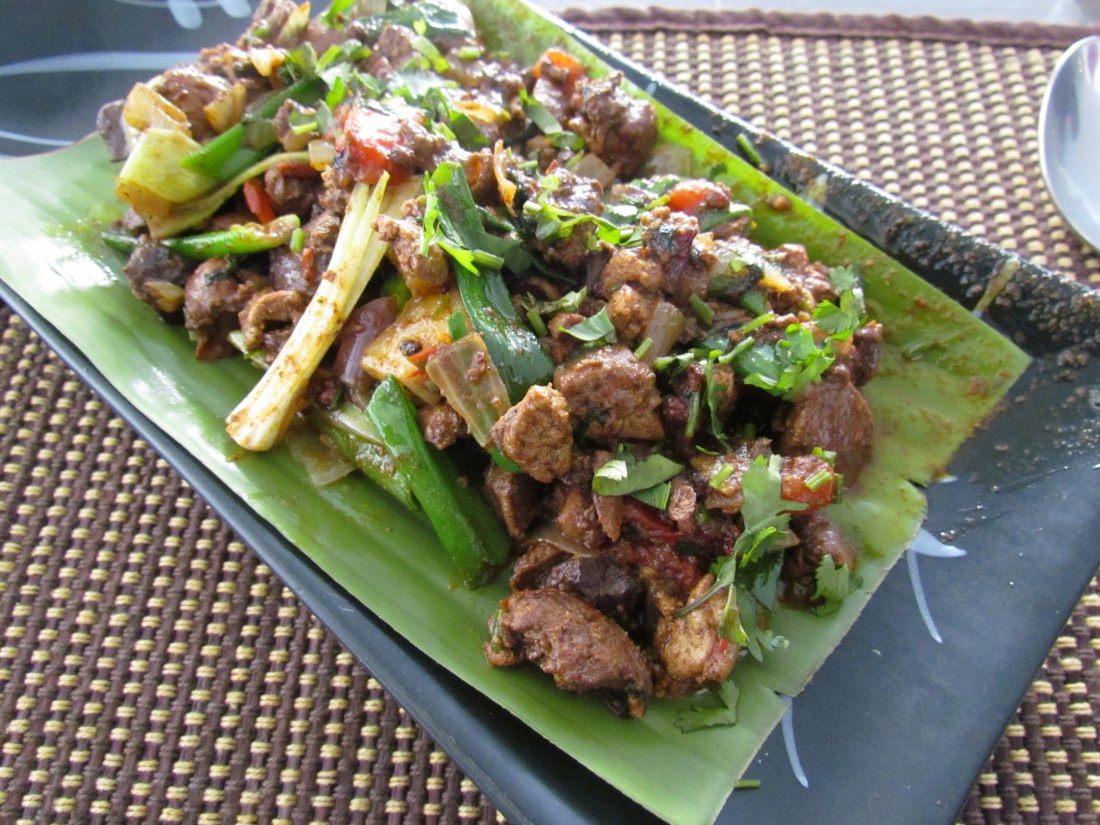
The food of Arunachal Pradesh is really healthy as the fried food is not very popular as the locals either prefer boiled or smoked food. The inhabitants mainly eat bamboo shoots and other leafy vegetables, which are mostly boiled. The staple food of Arunachal Pradesh is rice that is accompanied by vegetables, curries, soup and meat. Bamboo shoot curry is one of the popular local foods and is also a popular food ingredient that is added to most of the dishes especially while cooking meat. Another delicious local food of Arunachal Pradesh is pika pila, a type of pickle made of bamboo shoot and pork fats with a small addition of king chilly mostly eaten by the Apatani tribe. Lukter is a delicacy in Arunachal Pradesh, a combination of large-size cut and cooked meat with chili flakes. Another yummy side dish with rice is pehak, a type of spicy chutney made by using fermented soya bean and chilly. Meat is eaten on daily basis in Arunachal Pradesh and the most commonly eaten meat is bos frontails meat locally called as the ‘mithun’. People also love beef, chicken, pork, mutton and fish. Arunachal Pradesh also has some delicious momos, dumplings filled with minced meat and vegetables. Arunachal Pradesh has a diverse culture and tradition and a part of it is reflected in its food delicacies.

 Read full article at: https://www.tourgenie.com/travel-diaries/travel-blogs/food-of-arunachal-pradesh-a-way-to-someones-heart