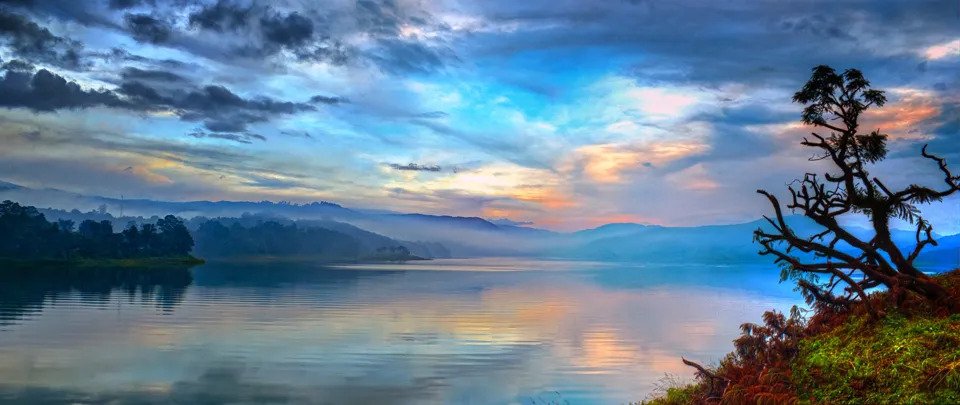
Discover Meghalaya places to visit

Beautiful Meghalya

Bounded on the north and east by Assam and on the south and west by Bangladesh, Meghalaya is one of the northeastern states of India. The name ‘Meghalaya’ means ‘the abode of clouds’ and is one of the wettest places on earth. This beautiful state is blessed and the nature has been kind to her bounty; the picturesque views to witness, natural beauty, light drizzles, thick forests of green hue and lovely waterfalls attract travelers from all over the world. There is so much to do in Meghalaya and so many places to visit and explore.

A good place to visit is the Baghmara Reserve Forest, 4 km away from the Baghmara town and 65 km from Baghmara National Park. Another place to visit is the Bara Bazar that is locally called as the ‘Lewduh’ market and is among the biggest trade centers of northeast India. Also, Do.bul Lake at Damalgre village is about 17 km from Tura and is an Ornithological hotspot famous for rich variety of avifauna. It is the perfect spot for bird watching and spotting wildlife. Another famous place to explore in Meghalaya is the Elephant Falls. This three steps falls is named by the Britishers after a rock shaped like an elephant during their invasion in India. This curved falls is eye-catching and the green vegetation makes it a perfect picnic spot.

Similarly the Mawsami cave is a famous cave of Meghalaya and attracts tourists. Mawsami cave in Khasi language is translated to ‘Oath Stone’ and is an easy cave for beginners to navigate. Also, the Nohkalikai Falls 8 km from Cherrapunjee is the tallest plunge waterfall of India of height of 1115ft (340m). The Umium Lake 15 km to the north of Shillong is a popular tourist spot and the principle catchment area plus dam is spread over 220sq km. Some other major places to visit and explore in Meghalaya are the Kyllang Rock, Langshiang Falls, Seven Sister Waterfalls, Siju Cave, Tura Peak, Tyrshi Falls, Wards Lake, Dargah Sharif etc.

Read full article at: https://www.tourgenie.com/travel-diaries/travel-blogs/discover-meghalaya-places-to-visit
Shillong in monsoons: best time to visit Shillong

Shillong can be visited any time of the year and it will look absolutely amazing. This is one destination where even the monsoon provides the exhilaration and experience of being on the wettest place on the planet.

The summer normally ranges in between 5°C to 25°C and is one of the best times to visit Shillong. The winter in Shillong is colder with temperature going down to 4°C often enveloping the city in fog. Summer may be one of the best times however, the best time to visit the ‘abode of clouds’ Meghalaya is definitely during monsoon. Cherrapunjee in Shillong is one of the wettest places on earth and the capital makes a good base to explore these places in monsoon. The monsoons start from July and ends in September with heavy downpour taking the temperature between 12°C to 16°C. Monsoon season is the perfect time for nature lovers, the backpackers and people seeking for adventures. One of the best ideas is to make Shillong base for excursions to Cherrapunjee and other places to visit.

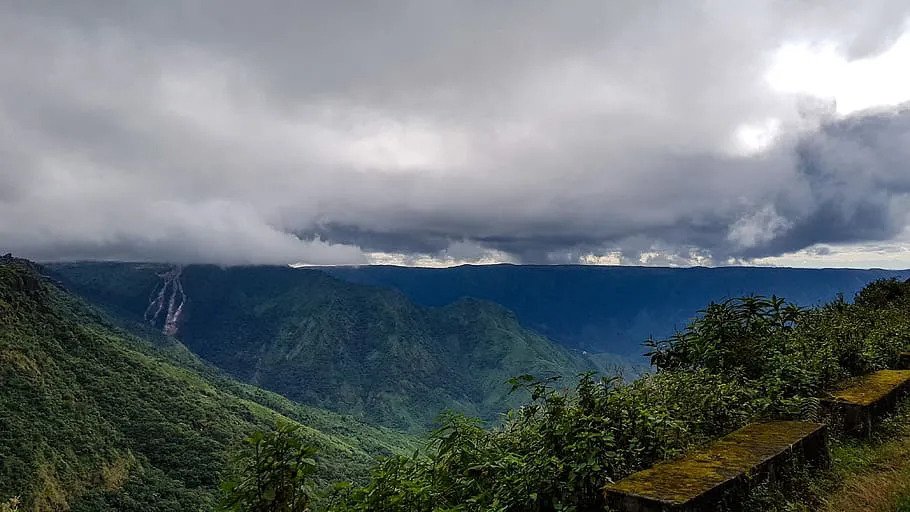
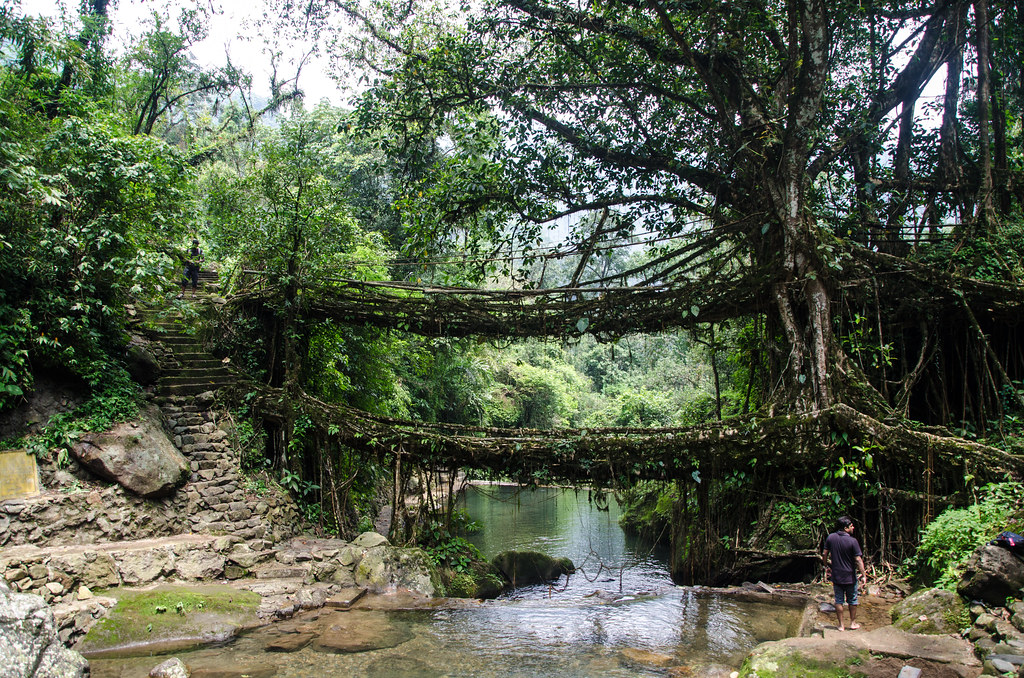
Witnessing the rain drenched mountains with beautiful waterfalls in full glory and the thick forest in bright green during monsoon is an experience in itself. Apart from Cherrapunjee, you can visit Mawsynram that gets an average of 11,873 millimeters also the Nohsngithiang Falls and other falls that are mostly fed with rain falls. These falls come to their full glory during the monsoon making it the best time to visit Shillong. During monsoon, the excursions from Shillong would be to Mawphlang and then on to Mawsynram, other would to Cherrapunjee. It is also the best time to visit Jaintia hills, Monoliths of Nartiang and Thadlaskein Lake near Jowai.

With so many wonderful sites to enjoy topping it with very less number of visitors, monsoons are definitely the best time to visit Shillong. Read full article at: https://www.tourgenie.com/travel-diaries/travel-blogs/shillong-in-monsoons-best-time-to-visit-shillong

Best time to visit Meghalaya – A comprehensive guide

Meghalaya is a must-visit destination for every traveler who is on a quest for scenic beauty as well as adventure. Meghalaya, which means the abode of clouds, is a box of treasure in the northeast India.

The best time to enjoy a visit to Meghalaya is highly subjective. Meghalaya is the wettest state in general, but the weather varies throughout the year. In Meghalaya, the summer expands from mid-March to June and it’s the peak/best time to visit. Though the peak season, the rush is quite low as compared to other tourist destinations in India since Meghalaya is still well hidden and quite unexplored. During summer, temperature ranges between 120 C -300 C. Monsoon in Meghalaya roughly spans over July to October and in some cases, the rains often hit in the end of June. While some suggest not planning a trip to Meghalaya during monsoon due to heavy rainfall and chances of landslides but the locals say otherwise. The beauty of Meghalaya reaches its peak during monsoon. Everything looks so fresh, clean and clear after the rain. You might face some discomfort while traveling on the roads, but the hues of the sky, gigantic chunks of clouds ranging from grey to black with lush green meadows below them, and the sounds of the mighty waterfalls will come together to form a breathtaking landscapes and symphony, making your visit to Meghalaya a one-of-a-kind experience.

Autumn and winters in Meghalaya can be considered intertwined with each other, with autumn roughly spanning over end of October to the whole of November. Winter ranges between December-February in Meghalaya, with temperatures ranging between 150 C – 30 C. Some consider winter to be the best time to visit Meghalaya since you’d be treated to romantic misty mornings, cool breezes and pleasant cold nights. If you want to go for trekking or hiking then winter is the best time to plan your trip to Meghalaya.  

Read full article at: https://www.tourgenie.com/travel-diaries/travel-blogs/best-time-to-visit-meghalaya-a-comprehensive-guide