Post monsoon, the national parks in northeast India are open again for trekkers. October to mid-December are the ideal months to trek in the eastern Himalayas before winter sets in and snowfall blocks all the trekking trails.
Two of the popular trekking trails in northeast India include the Goecha La Trek in Sikkim and Sandakphu Trek in West Bengal.
The Goecha La Trek runs through the Khangchendzonga National Park in north Sikkim. Some of the highlights of the trek include a closeup view of Mt. Khangchendzonga (the 3rd highest peak in the world), views of 14 other stunning Himalayan peaks, and the reflection of Mt Pandim on Samiti Lake early morning.
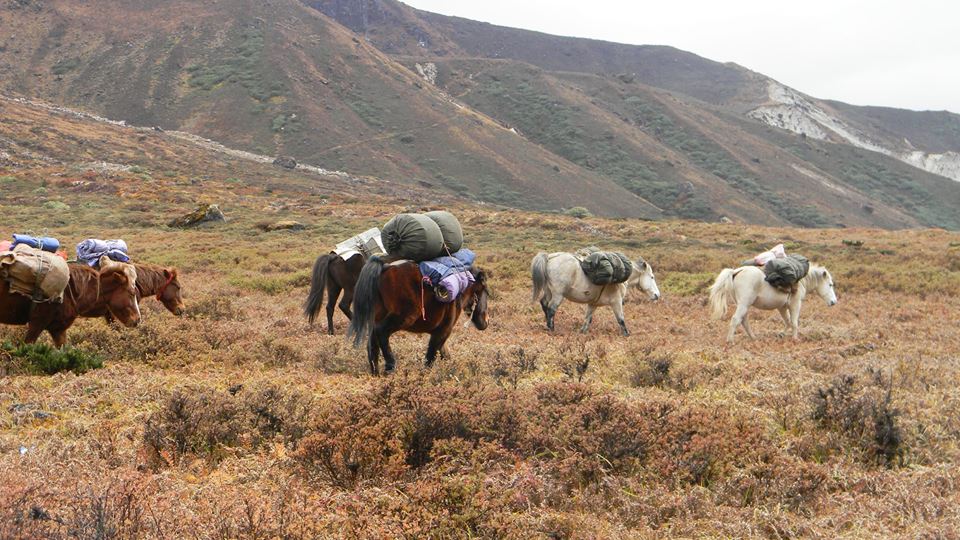
The Sandakphu Trek trails through the Singalila National Park. On this trek, you can see the 4 highest peaks in the world: Mt. Everest, Mt. Khangchendzonga, Mt. Lhotse, and Mt. Makalu, which is not possible on any other trek. 4 other reasons to do the Sandakphu trek.
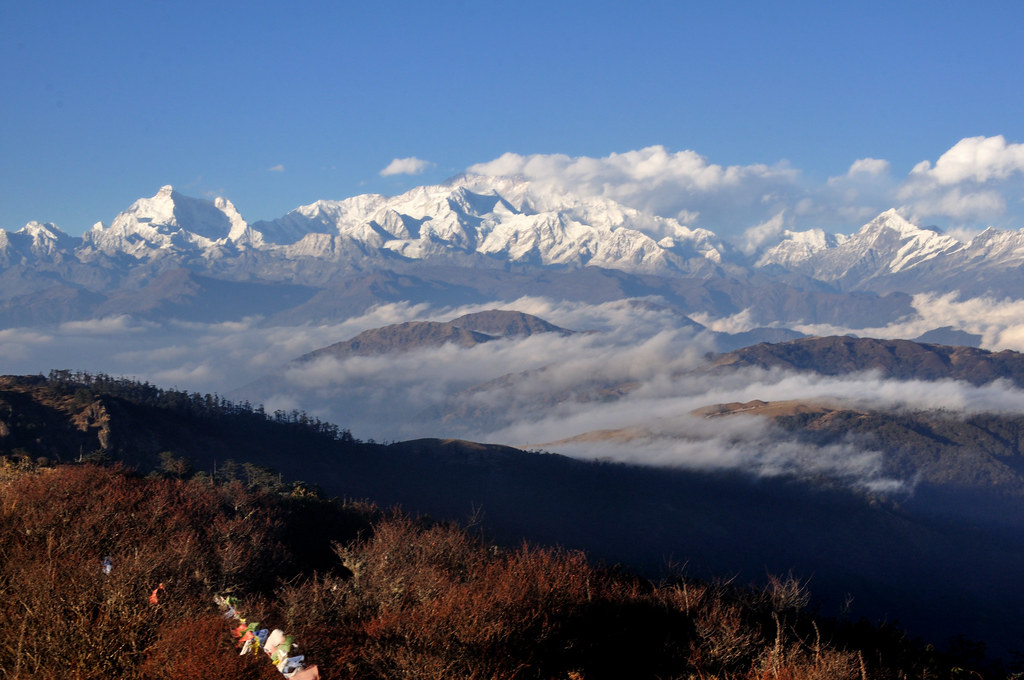
Pros of trekking during peak trekking season:
(1) Clear views: As the monsoon ends, the skies become exceptionally clear and provide uninterrupted views of the mountain ranges.
(2) Pleasant weather: With its close proximity to the eastern Himalayas, the northeast region experiences cold waves and frigid winters. Rain is also unpredictable throughout the year. October-mid November though has a pleasant climate, staying mostly cool throughout the day along with plenty of sunshine.
(3) Picturesque landscape: Autumn can be felt and seen in the changing foliage and pretty flowers unique to the Himalayan region dot the landscape.
Cons of trekking during peak trekking season:
(1) Crowded trails: As it’s the ideal season for trekking, the trails are crowded with many trekkers. If you’re looking for a serene trek, then you can kiss that goodbye.
(2) Fully booked stays: With no dearth of trekkers but limited stays, accommodations run out pretty fast. So if you haven’t booked your stay well in advance be prepared to carry a tent and camp outdoors.
If seeing the views during the trek means a lot to you (as they should), I suggest you plan your trek well in advance, making all the necessary bookings. However, if you’re trekking for a peaceful getaway in nature, then plan your trek after the peak season, which is still good enough, provided you can brave the cold.
 TourGenie Simplify Travel