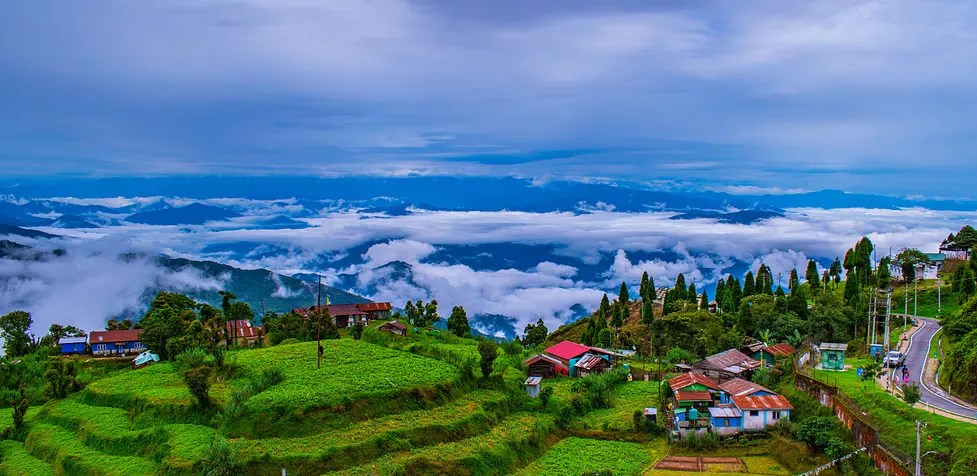
When the chill of winter sweeps through the Himalayas, Darjeeling transforms into a picture-perfect wonderland. Nestled at an altitude of 6,700 feet, this charming hill station in West Bengal offers a completely different experience during the winter months (November to February) — one that is serene, magical, and refreshingly peaceful.
Unlike the busy summer season, winter in Darjeeling is calm and uncrowded, making it the best time for travelers seeking tranquility and crisp mountain air. The town’s famous colonial charm, winding lanes, and heritage buildings look even more enchanting under the soft winter sun or a light dusting of snow.
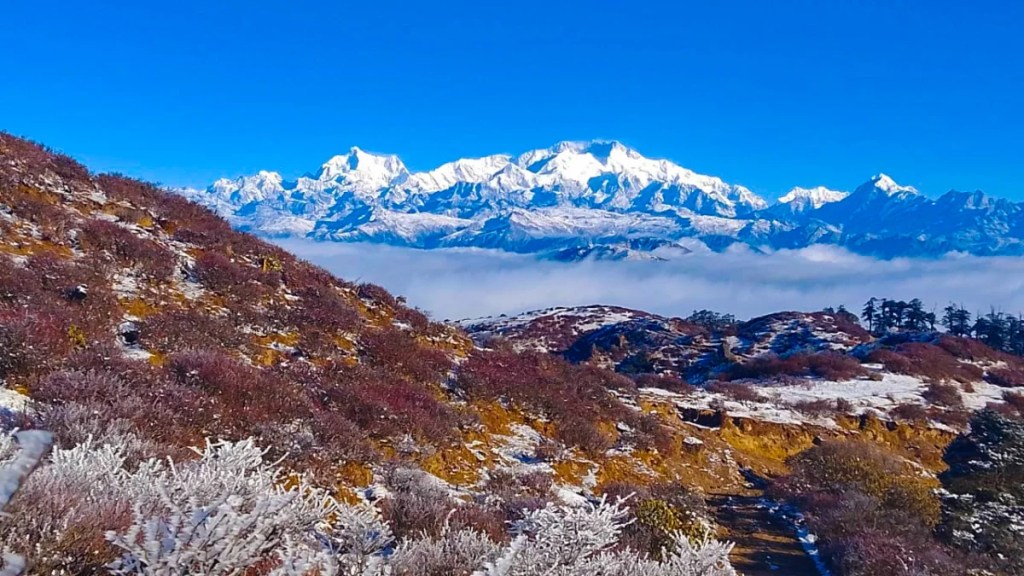
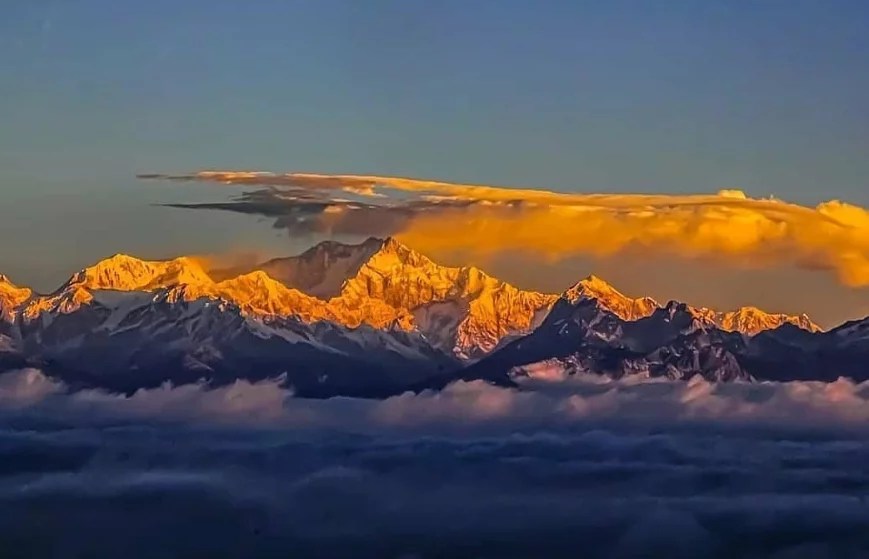
One of the biggest highlights of winter here is the breathtaking view of the Khangchendzonga range. The skies remain crystal clear, and early mornings often reward you with golden-hued sunrises from Tiger Hill, one of Darjeeling’s most iconic viewpoints. The sight of the sun illuminating the snow-covered peaks is nothing short of unforgettable.
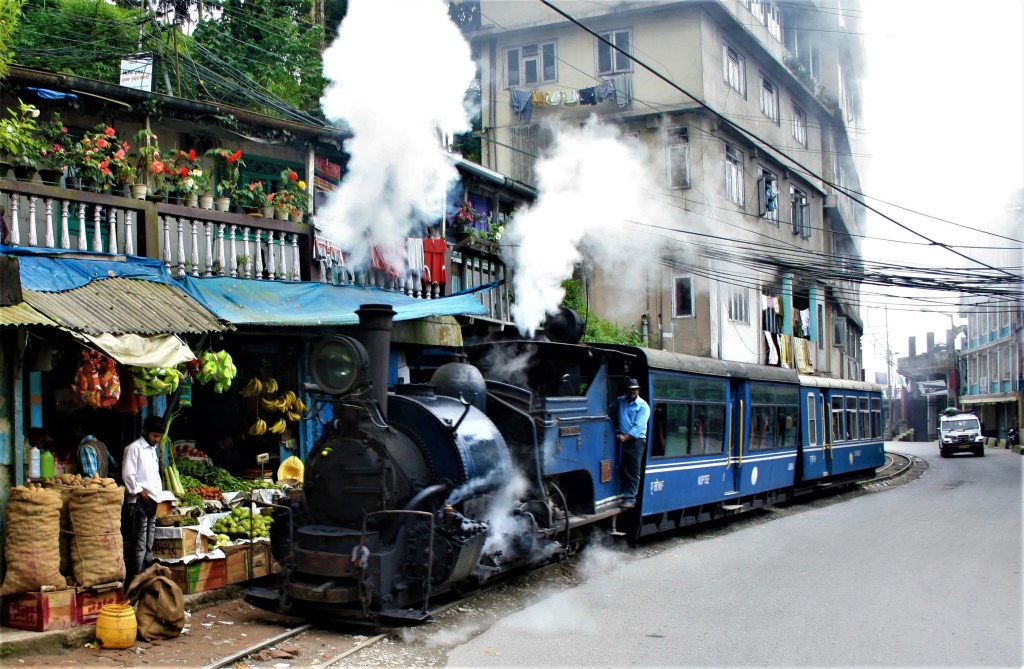
For adventure seekers, winter adds an extra thrill. Treks like Sandakphu or Tonglu offer panoramic Himalayan views and the chance to walk amidst frost-covered trails. Meanwhile, the Darjeeling Himalayan Railway, fondly called the Toy Train, continues its scenic journey through misty hills and quiet villages, offering a nostalgic ride through winter’s calm beauty.
Warm up with a cup of freshly brewed Darjeeling tea straight from the nearby estates, or cozy up by the fireplace in one of the town’s heritage hotels and homestays. The local winter cuisine — from momo and thukpa to butter tea — adds to the charm of the season.
While temperatures can drop to 2–5°C, the experience is worth every layer of wool. Winter in Darjeeling is about slow mornings, golden sunsets, and a peaceful escape into the heart of the Himalayas — the kind of beauty that lingers long after the snow melts.
Perched at an altitude of around 10,000 feet in East Sikkim, Zuluk is a small yet fascinating mountain village that has steadily emerged as one of the region’s most offbeat travel destinations. Once a transit point on the ancient Silk Route that connected Tibet and India, Zuluk today offers travelers a rare mix of history, natural beauty, and adventure.
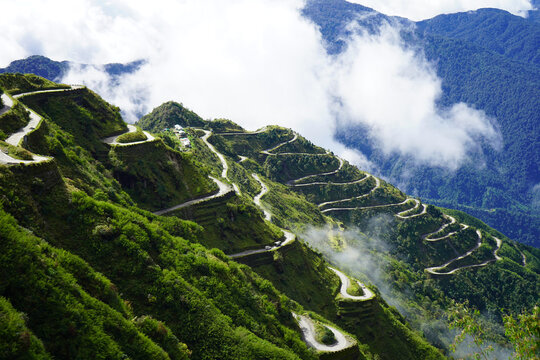
What makes Zuluk truly unforgettable is its famous zigzag road — a breathtaking stretch of over 30 hairpin bends that wind dramatically up the mountains. This serpentine road not only challenges the adventurous spirit but also rewards visitors with mesmerizing views of the Eastern Himalayas. On a clear morning, one can even witness the majestic Khangchendzonga range glowing golden under the rising sun.
Zuluk’s landscape changes dramatically with the seasons. During summer (April to June), the slopes are covered with blooming wildflowers, turning the region into a painter’s dream. Autumn brings crystal-clear skies and postcard-perfect views, while winter (December to February) drapes the entire valley in snow, creating a quiet, ethereal charm.
Beyond its scenic roads, Zuluk is surrounded by several points of interest. The Thambi Viewpoint offers a panoramic look at the winding loops below and the snow-capped peaks beyond. It’s one of the popular places to visit during winter to catch snowfall. The Kupup Lake (Elephant Lake) and Menmecho Lake nearby are serene glacial lakes worth visiting. The region is also rich in birdlife, making it a hidden gem for nature lovers and photographers.
Due to its proximity to the Indo-China border, visitors need a special permit to visit Zuluk, usually arranged through local tour operators.
For travelers seeking solitude, starry skies, and a touch of adventure, Zuluk is a destination that perfectly balances thrill and tranquility. It’s not just a place to visit — it’s a journey through history, nature, and the heart of Sikkim’s unspoiled beauty.
High up in the Eastern Himalayas, surrounded by rugged mountains and shifting mists, lies one of Sikkim’s most mesmerizing natural wonders — Tsomgo Lake, also known as Changu Lake. Located about 38 km from Gangtok, this glacial lake sits at an altitude of 12,400 feet, making it one of the most scenic and accessible high-altitude lakes in India.
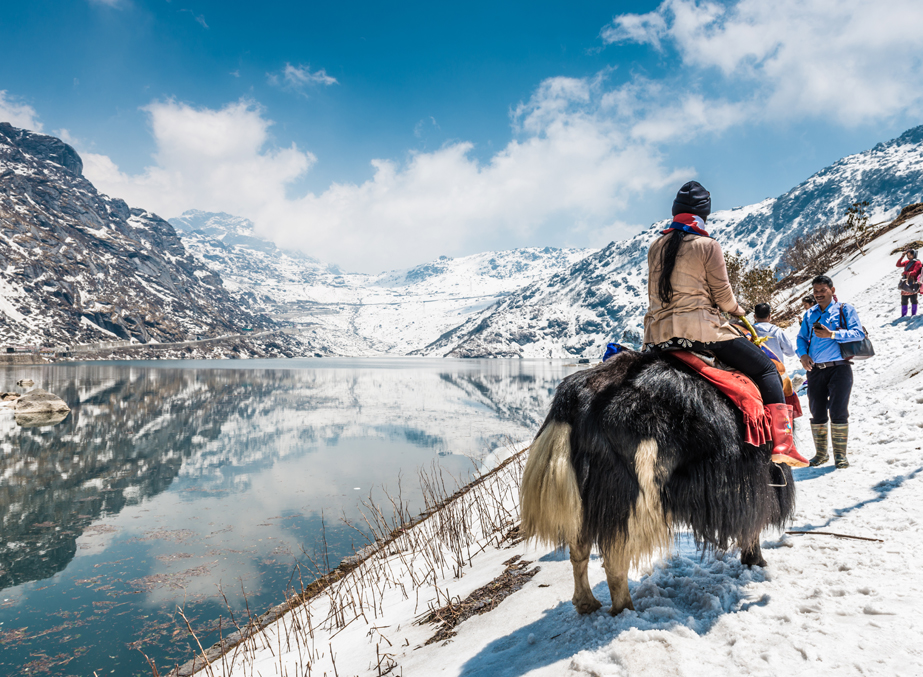
What makes Tsomgo Lake truly special is how it transforms with the seasons. During winter, it freezes into a sheet of sparkling ice, reflecting snow-clad peaks under the crisp blue sky — a sight that feels almost ethereal. By spring and summer, the ice melts to reveal crystal-clear waters that mirror the surrounding mountains, while wildflowers like rhododendrons and primulas bloom in vibrant colors around its banks. The changing hues of the lake — from deep sapphire to turquoise — add to its mystical charm.
In Sikkimese culture, Tsomgo Lake holds deep spiritual significance. The name ‘Tsomgo’ translates to “source of the lake” in the Bhutia language, and locals believe it to be sacred. According to legend, Buddhist monks once studied the lake’s changing colors to predict the future. Even today, it remains a site of reverence, where rituals are performed during the Guru Purnima festival.
Visitors can enjoy more than just breathtaking views here. The area offers yak rides along the lake’s edge — a must-try experience, especially for first-time travelers to Sikkim. Adventurers can trek to nearby viewpoints for panoramic vistas, while photographers will find endless inspiration in the reflections and mountain landscapes.
During winter, Tsomgo Lake becomes one of the most magical places in Sikkim, especially for those seeking snow experiences close to Gangtok. The journey to the lake, along winding roads fringed by snow and pine forests, is as captivating as the destination itself.
To visit Tsomgo Lake, travelers require a special permit, as it lies close to the Indo-China border. The best time to visit is from October to April for snowy views or May to June to see the lake in its full, thawed beauty.
Whether you seek tranquility, adventure, or a glimpse of nature’s artistry, Tsomgo Lake promises an unforgettable experience — a serene reflection of Sikkim’s timeless Himalayan magic.
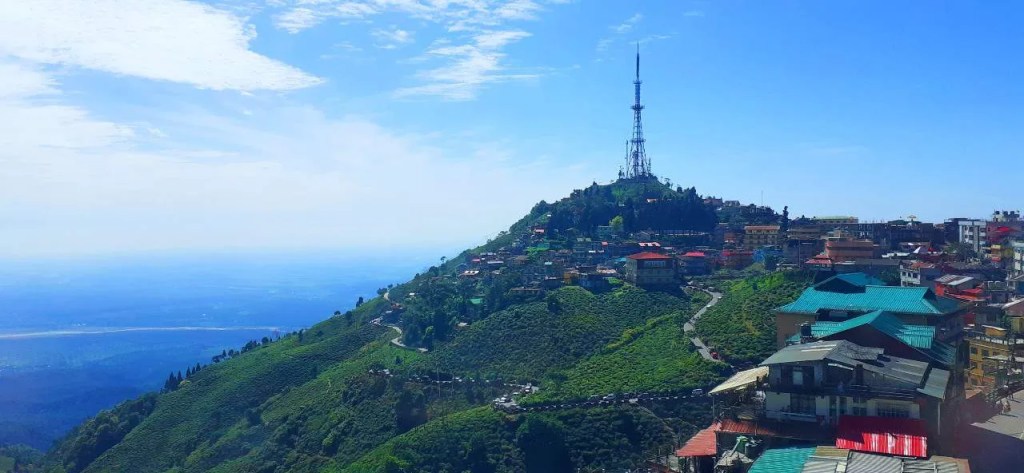
Nestled in the foothills of the Eastern Himalayas, Darjeeling is a scenic hill station in the Indian state of West Bengal, celebrated for its panoramic vistas, colonial charm, world-renowned tea, and rich cultural diversity. Often referred to as the “Queen of the Hills”, Darjeeling’s cool climate, lush tea gardens, and breathtaking views of Mt. Kanchenjunga make it a favorite destination for travelers, nature lovers, and adventure seekers.
Best Season to Visit Darjeeling
Darjeeling offers distinct experiences throughout the year. Here’s a breakdown to help you choose the ideal time based on your interests,best season to visit Darjeeling:
Spring (March to May) – Best Overall Season
Clear skies and mild temperatures (10°C to 20°C).
Perfect time for sightseeing, trekking, and viewing snow-capped peaks.
The flowering season: rhododendrons, magnolias, and orchids bloom across the hills.
Summer (June to early July) – Good for Escaping the Heat
Pleasant weather (15°C to 25°C), attracting tourists from the plains.
Occasional pre-monsoon showers but mostly travel-friendly.
Tea estates are in full swing; great for plantation tours.
Monsoon (Mid-July to September) – Low Season but Lush Landscapes
Heavy rainfall and landslide risks; not ideal for travel.
Fewer tourists and deeply verdant hills.
Ideal for quiet retreats, photography, and budget travel (if you’re prepared for rain).
Autumn (October to November) – Best for Views and Festivals
Post-monsoon clarity makes for stunning Himalayan vistas.
Ideal for treks and cultural events like Durga Puja and Tihar (Diwali).
Temperatures range between 8°C and 18°C.
Winter (December to February) – Chilly and Quiet
Cold temperatures (as low as 2°C), with occasional frost.
Fewer tourists and serene landscapes.
Excellent time for budget travelers and those who enjoy crisp mountain air.
Top Places to Visit in Darjeeling
1. Tiger Hill
Famous for its sunrise views over Mt. Kanchenjunga and, on clear days, distant glimpses of Mt. Everest.
Arrive early (around 4 AM) to get a good spot.
2. Darjeeling Himalayan Railway (Toy Train)
A UNESCO World Heritage Site.
Offers scenic rides between New Jalpaiguri and Darjeeling, especially the Ghum loop.
Best enjoyed on the steam-engine joy ride between Darjeeling and Ghum.
3. Batasia Loop
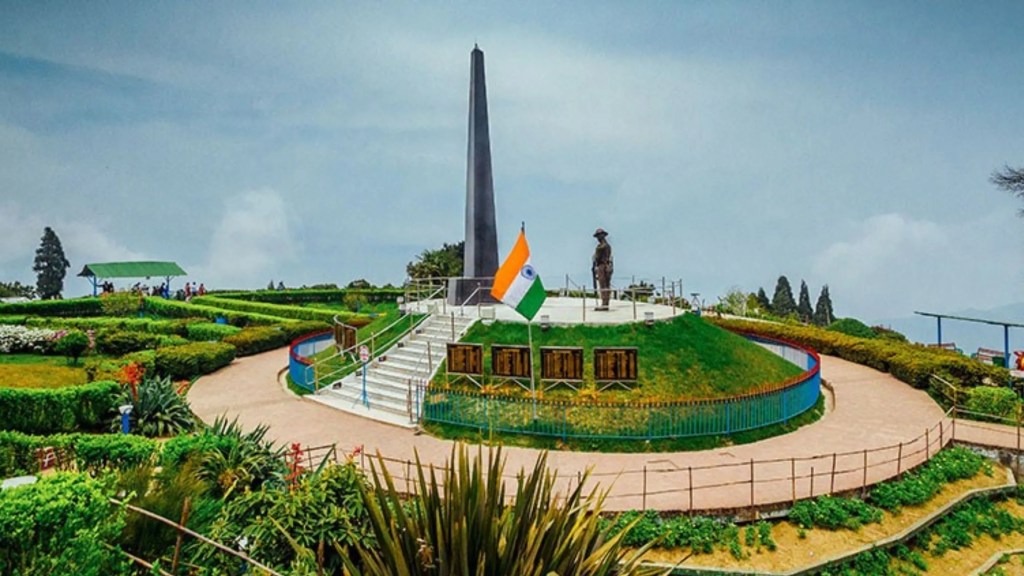
A picturesque railway loop with panoramic views of the mountains and a war memorial.
Great spot for photography and watching the Toy Train pass through.
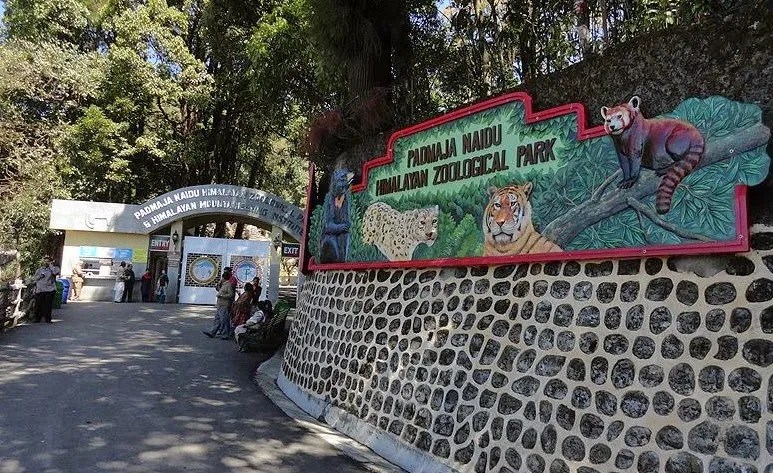
4. Padmaja Naidu Himalayan Zoological Park
Renowned for its breeding programs of endangered Himalayan species like the red panda, snow leopard, and Himalayan wolf.
Also home to the Himalayan Mountaineering Institute (HMI) and Tenzing Norgay’s museum.
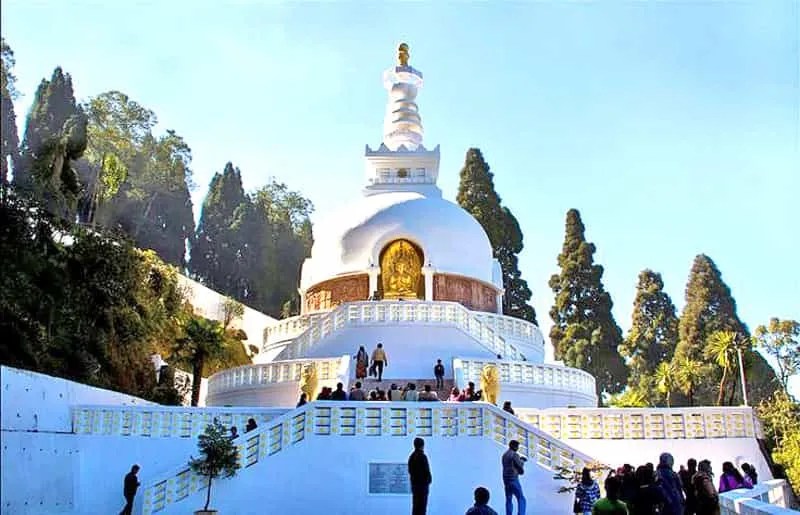
5. Peace Pagoda
A serene Japanese pagoda offering sweeping views of the surrounding hills.
Promotes peace and unity and is one of the most tranquil places in Darjeeling.
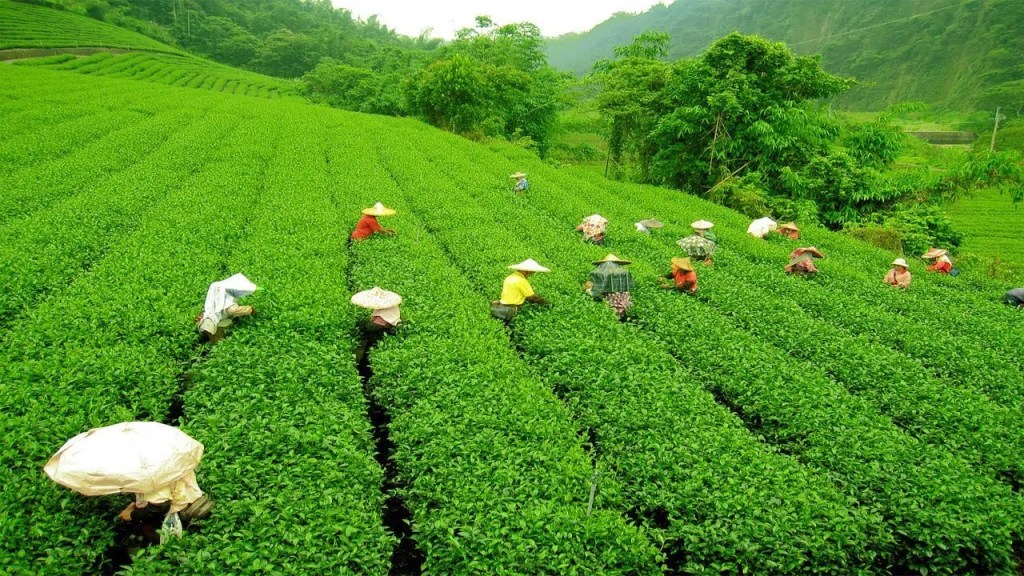
6. Tea Gardens and Estates
Visit world-famous plantations like Happy Valley Tea Estate for guided tours and tea tasting.
Learn about the process from plucking to packaging.
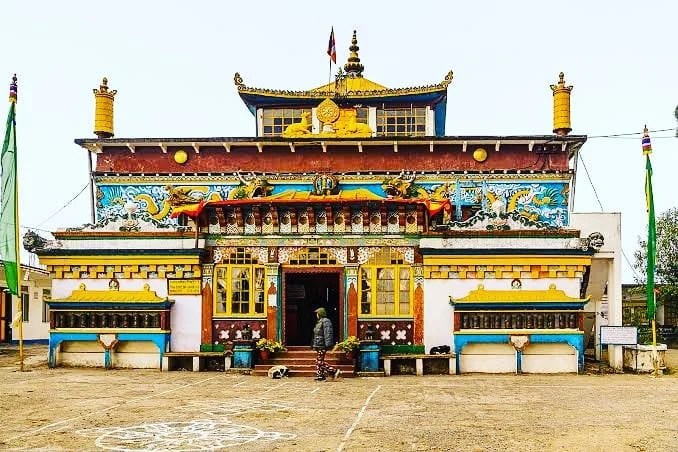
7. Ghum Monastery (Yiga Choeling)
One of the oldest Tibetan Buddhist monasteries in the region.
Houses a majestic statue of Maitreya Buddha and ancient manuscripts.
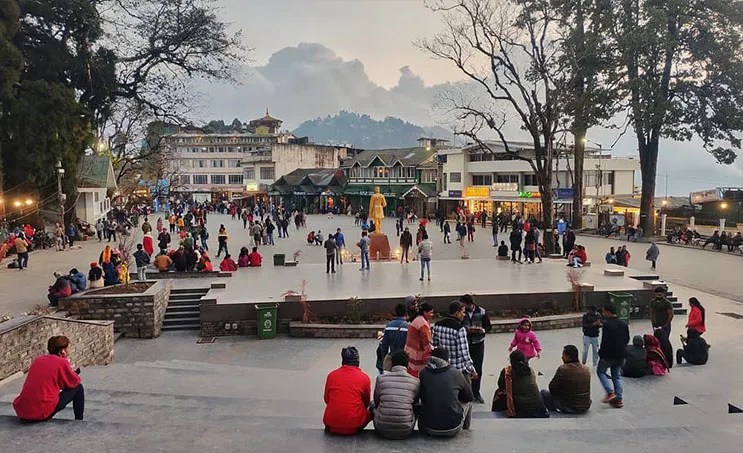
8. Chowrasta and Mall Road
Central town square lined with shops, eateries, and benches overlooking the mountains.
Great for leisurely walks, local shopping, and people-watching.
9. Observatory Hill & Mahakal Temple
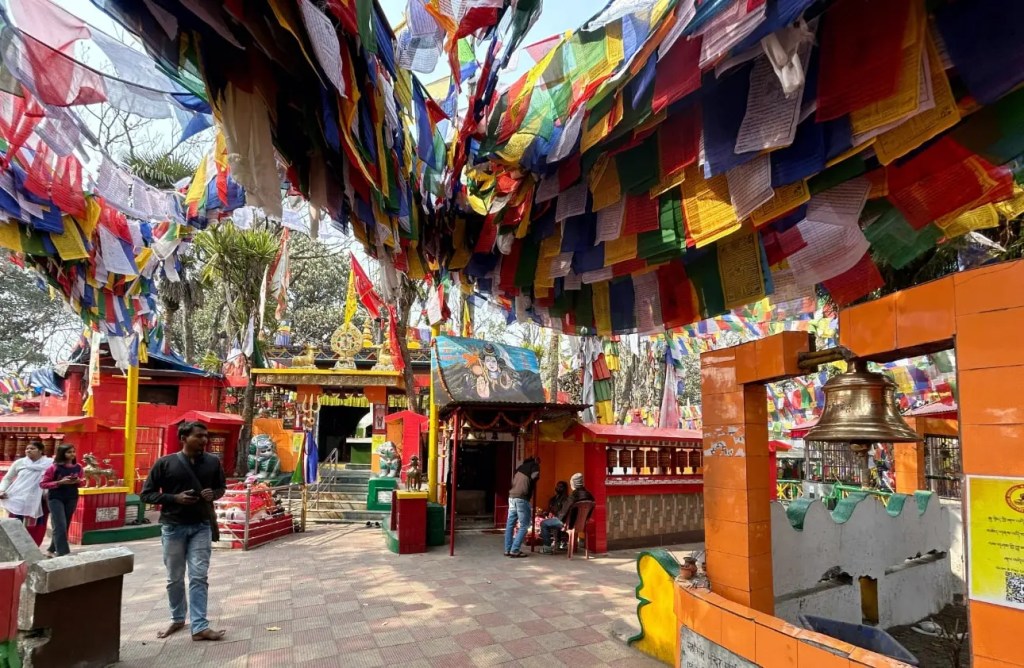
Sacred to both Hindus and Buddhists, with vibrant prayer flags and spiritual vibes.
A short but steep walk from Mall Road.
10. Rock Garden and Ganga Maya Park
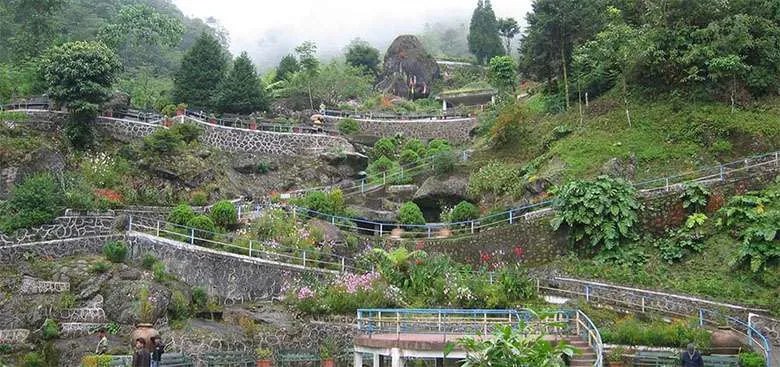
Landscaped gardens and waterfalls set against a natural backdrop.
Ideal for family outings and picnics.
Nearby Excursions
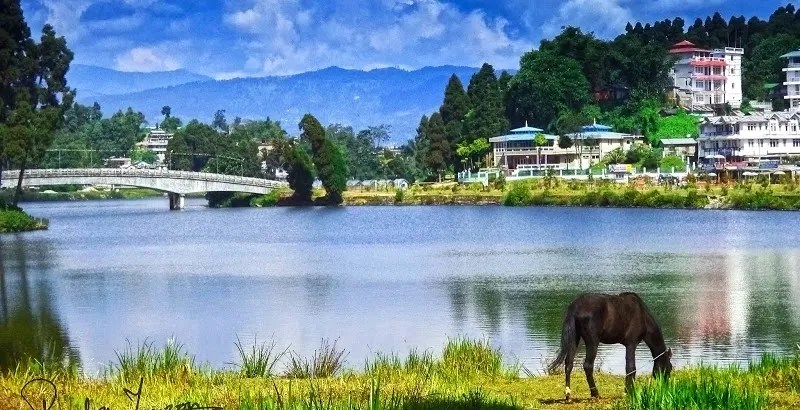
Mirik
A peaceful town about 2 hours from Darjeeling.
Famous for Sumendu Lake, orange orchards, and tea gardens.
Kurseong
Known as the “Land of White Orchids.”
Offers charming colonial architecture and peaceful tea estates.
Cultural Insights
Cuisine: Try local delicacies like momos, thukpa, Darjeeling tea, and Sel roti.
People: A cultural blend of Nepali, Tibetan, Bengali, and Lepcha communities.
Festivals: Don’t miss the Darjeeling Carnival (November), Buddha Jayanti, and regional music and dance performances.
Travel Tips
How to Reach:
By Air: Nearest airport is Bagdogra (IXB), 3 hours away.
By Train: New Jalpaiguri (NJP) is the nearest major railway station.
By Road: Regular shared taxis and buses from Siliguri and NJP.
Accommodation: Ranges from heritage hotels to cozy homestays with mountain views.
Clothing: Layered clothing is advisable year-round due to varying temperatures.
Permits: No special permits needed for Darjeeling, but required if traveling to nearby Sikkim or Nathula Pass.
Conclusion
Darjeeling effortlessly combines natural splendor, colonial nostalgia, and Himalayan culture. Whether you’re sipping tea in a century-old plantation, watching the sunrise over the world’s third-highest peak, or meandering through bustling bazaars, Darjeeling offers something for every kind of traveler. Rich in experiences, it’s not just a destination—it’s a memory you’ll carry for life.
 TourGenie Simplify Travel