Darjeeling: The Queen of the Hills

Nestled in the foothills of the Eastern Himalayas, Darjeeling is a scenic hill station in the Indian state of West Bengal, celebrated for its panoramic vistas, colonial charm, world-renowned tea, and rich cultural diversity. Often referred to as the “Queen of the Hills”, Darjeeling’s cool climate, lush tea gardens, and breathtaking views of Mt. Kanchenjunga make it a favorite destination for travelers, nature lovers, and adventure seekers.

Best Season to Visit Darjeeling
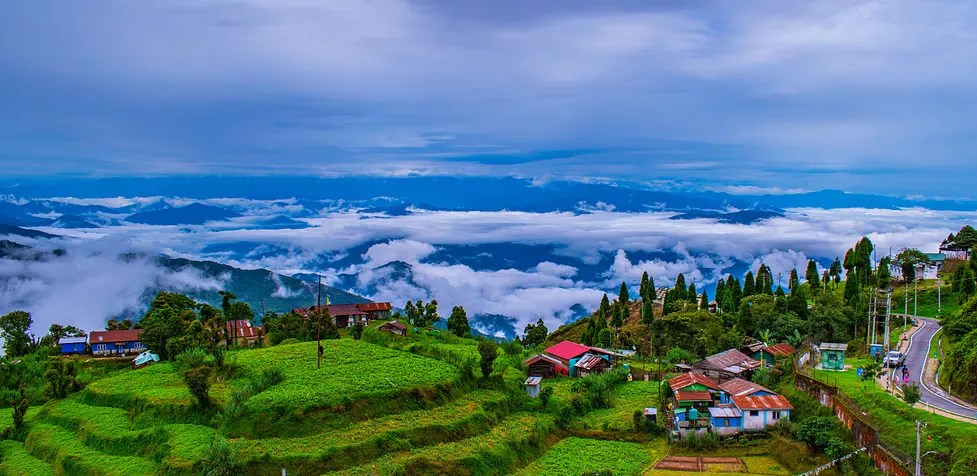
Darjeeling offers distinct experiences throughout the year. Here’s a breakdown to help you choose the ideal time based on your interests, best season to visit Darjeeling:

Spring (March to May) – Best Overall Season

Clear skies and mild temperatures (10°C to 20°C).

Perfect time for sightseeing, trekking, and viewing snow-capped peaks.

The flowering season: rhododendrons, magnolias, and orchids bloom across the hills.

Summer (June to early July) – Good for Escaping the Heat

Pleasant weather (15°C to 25°C), attracting tourists from the plains.

Occasional pre-monsoon showers but mostly travel-friendly.

Tea estates are in full swing; great for plantation tours.

Monsoon (Mid-July to September) – Low Season but Lush Landscapes

Heavy rainfall and landslide risks; not ideal for travel.

Fewer tourists and deeply verdant hills.

Ideal for quiet retreats, photography, and budget travel (if you’re prepared for rain).

Autumn (October to November) – Best for Views and Festivals

Post-monsoon clarity makes for stunning Himalayan vistas.

Ideal for treks and cultural events like Durga Puja and Tihar (Diwali).

Temperatures range between 8°C and 18°C.

Winter (December to February) – Chilly and Quiet

Cold temperatures (as low as 2°C), with occasional frost.

Fewer tourists and serene landscapes.

Excellent time for budget travelers and those who enjoy crisp mountain air.

Top Places to Visit in Darjeeling

1. Tiger Hill
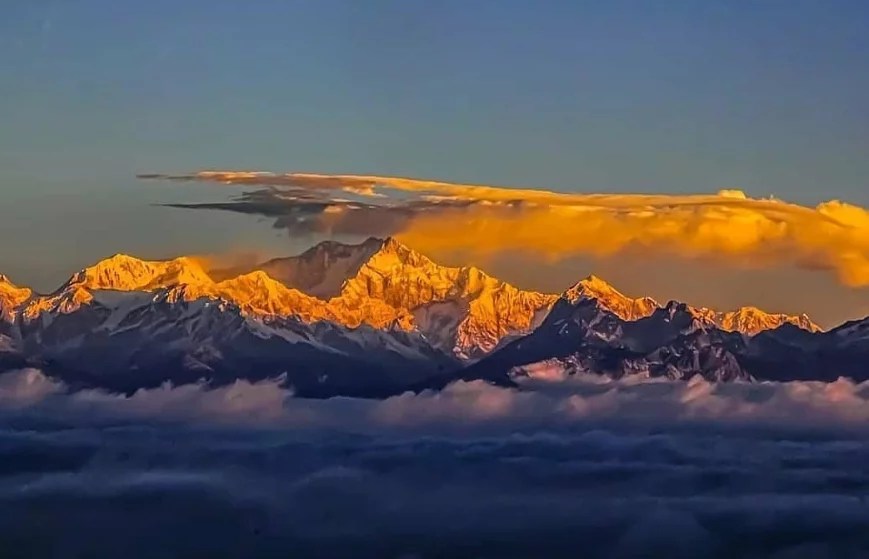
Famous for its sunrise views over Mt. Kanchenjunga and, on clear days, distant glimpses of Mt. Everest.

Arrive early (around 4 AM) to get a good spot.

2. Darjeeling Himalayan Railway (Toy Train)
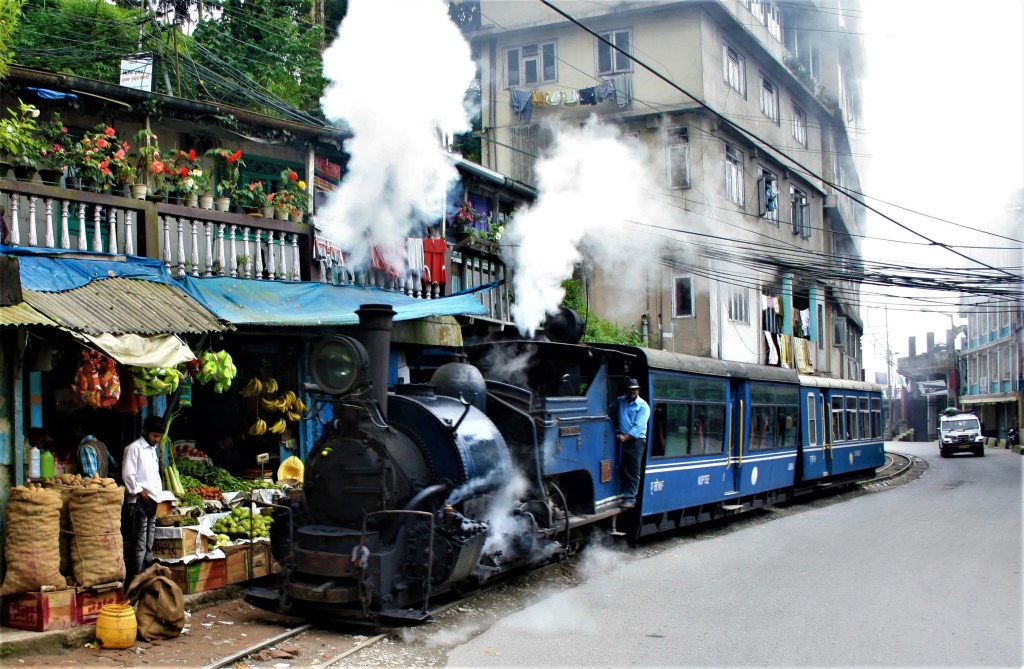
A UNESCO World Heritage Site.

Offers scenic rides between New Jalpaiguri and Darjeeling, especially the Ghum loop.

Best enjoyed on the steam-engine joy ride between Darjeeling and Ghum.

3. Batasia Loop
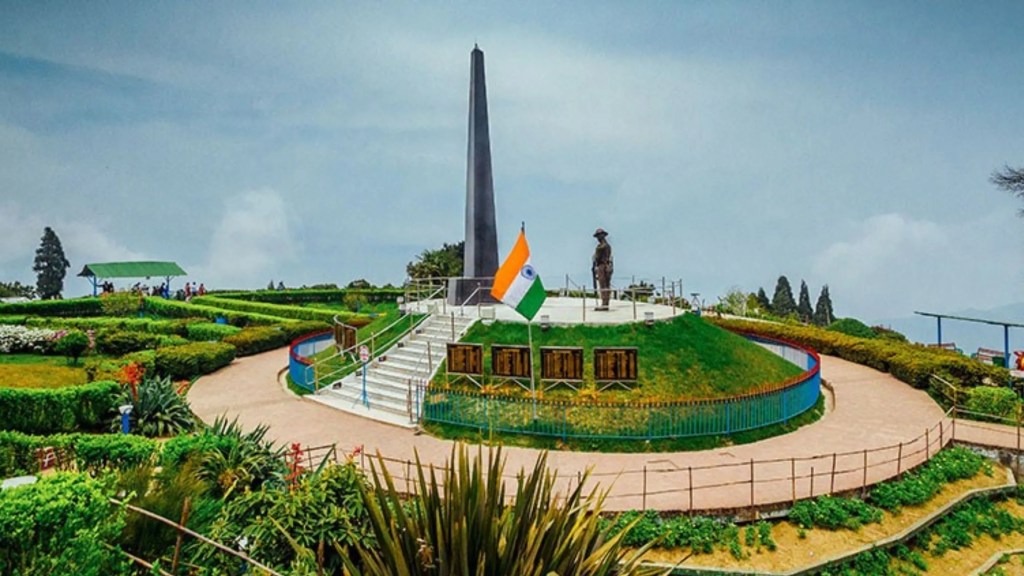
A picturesque railway loop with panoramic views of the mountains and a war memorial.

Great spot for photography and watching the Toy Train pass through.

4. Padmaja Naidu Himalayan Zoological Park
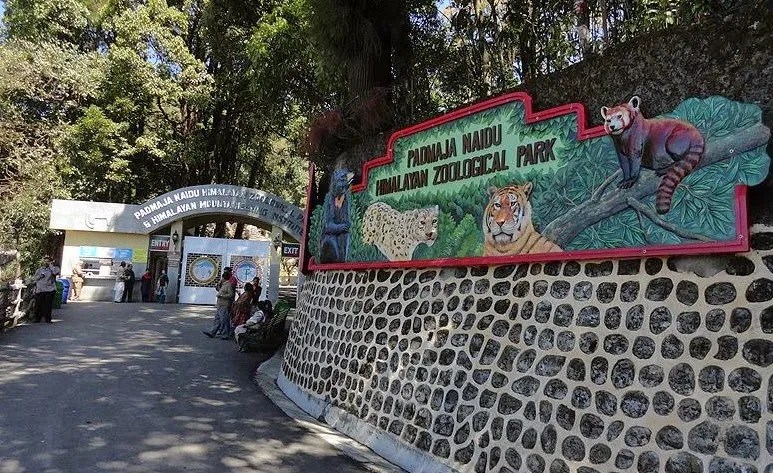
Renowned for its breeding programs of endangered Himalayan species like the red panda, snow leopard, and Himalayan wolf.

Also home to the Himalayan Mountaineering Institute (HMI) and Tenzing Norgay’s museum.

5. Peace Pagoda
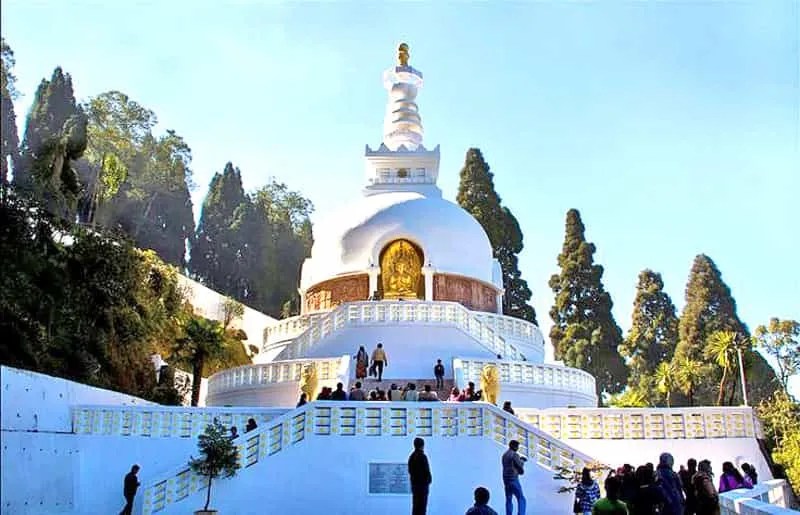
A serene Japanese pagoda offering sweeping views of the surrounding hills.

Promotes peace and unity and is one of the most tranquil places in Darjeeling.

6. Tea Gardens and Estates
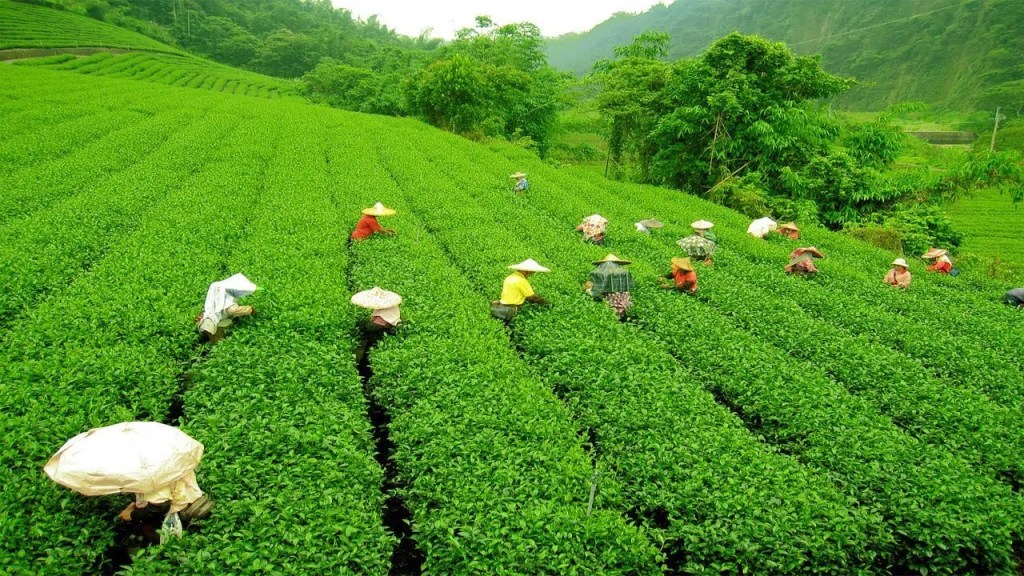
Visit world-famous plantations like Happy Valley Tea Estate for guided tours and tea tasting.

Learn about the process from plucking to packaging.

7. Ghum Monastery (Yiga Choeling)
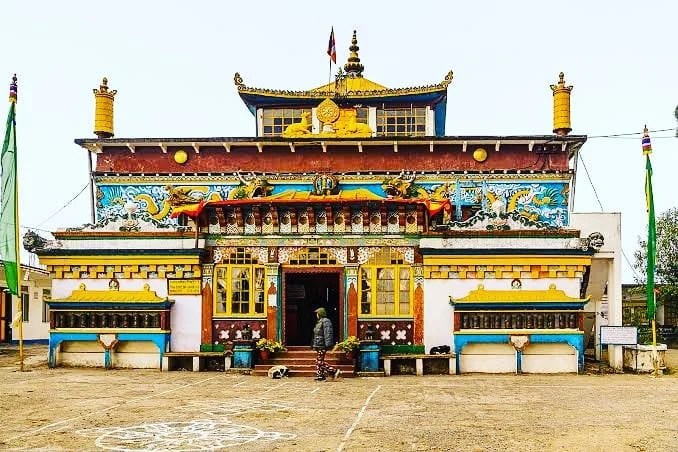
One of the oldest Tibetan Buddhist monasteries in the region.

Houses a majestic statue of Maitreya Buddha and ancient manuscripts.

8. Chowrasta and Mall Road
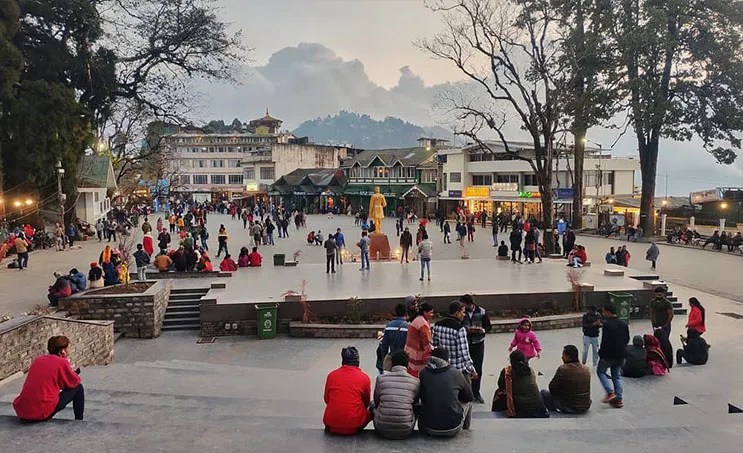
Central town square lined with shops, eateries, and benches overlooking the mountains.

Great for leisurely walks, local shopping, and people-watching.

9. Observatory Hill & Mahakal Temple
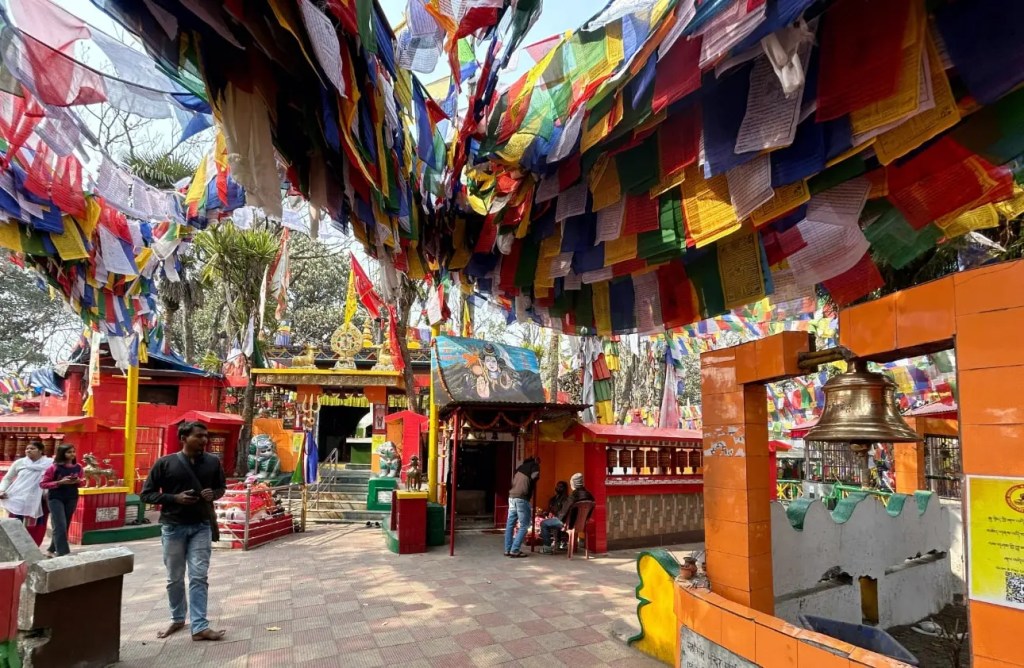
Sacred to both Hindus and Buddhists, with vibrant prayer flags and spiritual vibes.

A short but steep walk from Mall Road.

10. Rock Garden and Ganga Maya Park
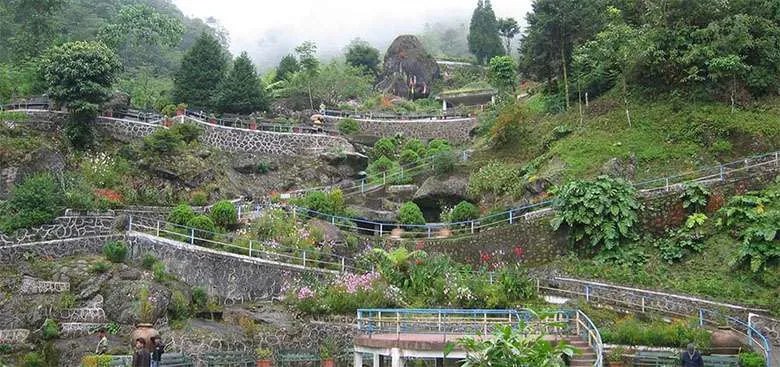
Landscaped gardens and waterfalls set against a natural backdrop.

Ideal for family outings and picnics.

Nearby Excursions

Mirik
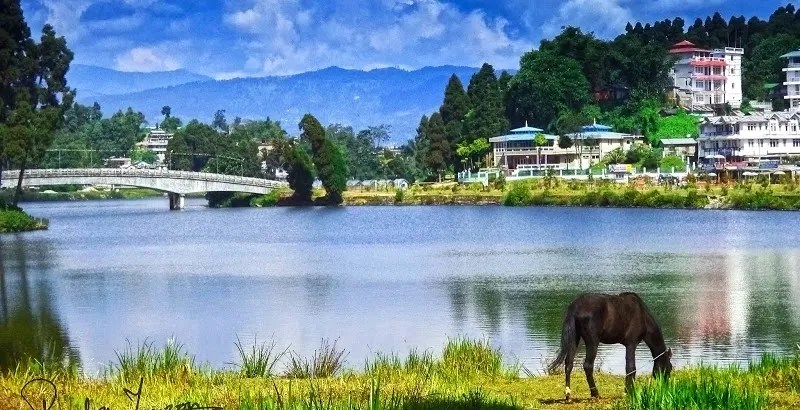
A peaceful town about 2 hours from Darjeeling.

Famous for Sumendu Lake, orange orchards, and tea gardens.

Kurseong
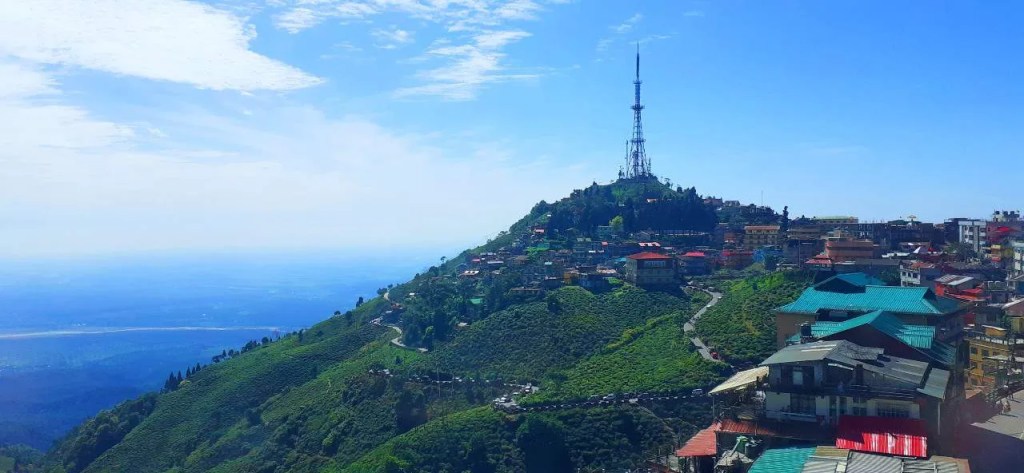
Known as the “Land of White Orchids.”

Offers charming colonial architecture and peaceful tea estates.

Cultural Insights

Cuisine: Try local delicacies like momos, thukpa, Darjeeling tea, and Sel roti.

People: A cultural blend of Nepali, Tibetan, Bengali, and Lepcha communities.

Festivals: Don’t miss the Darjeeling Carnival (November), Buddha Jayanti, and regional music and dance performances.

Travel Tips

How to Reach:

By Air: Nearest airport is Bagdogra (IXB), 3 hours away.

By Train: New Jalpaiguri (NJP) is the nearest major railway station.

By Road: Regular shared taxis and buses from Siliguri and NJP.

Accommodation: Ranges from heritage hotels to cozy homestays with mountain views.

Clothing: Layered clothing is advisable year-round due to varying temperatures.

Permits: No special permits needed for Darjeeling, but required if traveling to nearby Sikkim or Nathula Pass.

Conclusion

Darjeeling effortlessly combines natural splendor, colonial nostalgia, and Himalayan culture. Whether you’re sipping tea in a century-old plantation, watching the sunrise over the world’s third-highest peak, or meandering through bustling bazaars, Darjeeling offers something for every kind of traveler. Rich in experiences, it’s not just a destination—it’s a memory you’ll carry for life.
Bhutan: The Last Shangri-La

Tucked away in the eastern Himalayas, Bhutan is a small kingdom known for its stunning natural beauty, vibrant culture, and strong commitment to preserving its environment and heritage. Often referred to as the “Last Shangri-La”, Bhutan offers a rare opportunity to experience a country that prioritizes Gross National Happiness over Gross Domestic Product. With its pristine landscapes, sacred monasteries, and warm-hearted people, Bhutan is a haven for nature lovers, spiritual seekers, and curious travelers.

Best Season to Visit Bhutan

Bhutan has a varied climate due to its altitudinal differences, but the best season to visit bhutan depends on your interests:

Spring (March to May) – Best for Festivals and Rhododendrons

  • Pleasant weather with blooming flowers.
  • Ideal for trekking, especially in central and eastern Bhutan.
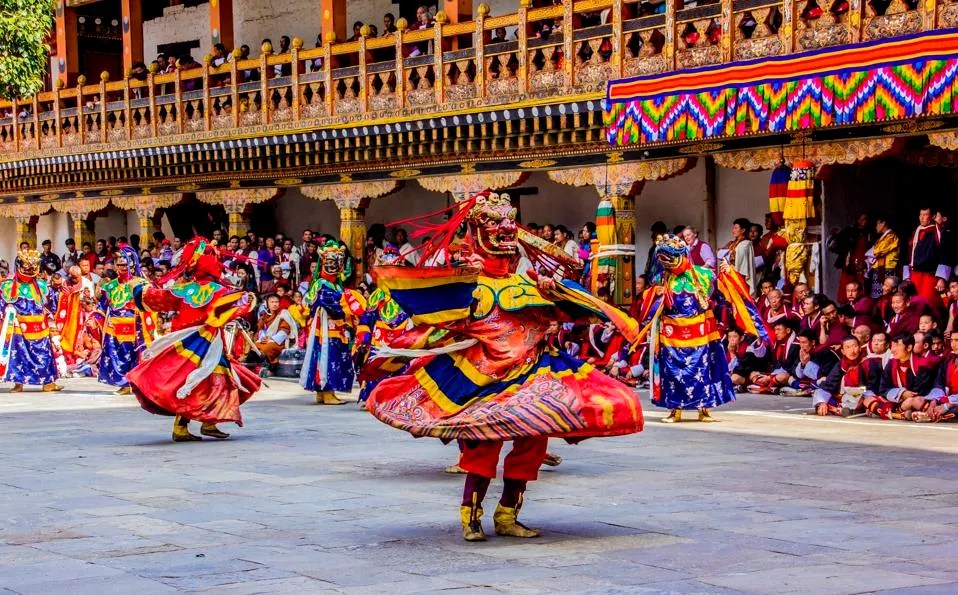
  • The famous Paro Tsechu festival takes place in April, attracting visitors with its mask dances and vibrant culture.

Autumn (September to November) – Best for Clear Views and Trekking

  • Crisp skies and clear mountain views.
  • Another prime season for trekking and photography.
  • Major festivals like Thimphu Tsechu and Wangdue Tsechu are celebrated.

Summer (June to August) – Monsoon Season

  • Lush green landscapes but frequent rain.
  • Ideal for exploring cultural sites with fewer tourists.
  • Not suitable for high-altitude treks due to slippery trails and leeches.

Winter (December to February) – Quiet and Serene

  • Cold but dry, especially in western Bhutan.
  • Best time for birdwatching in southern regions.
  • Snowfall in the north adds a magical touch to mountain views.
‘P

Top Places to Visit in Bhutan

1. Paro

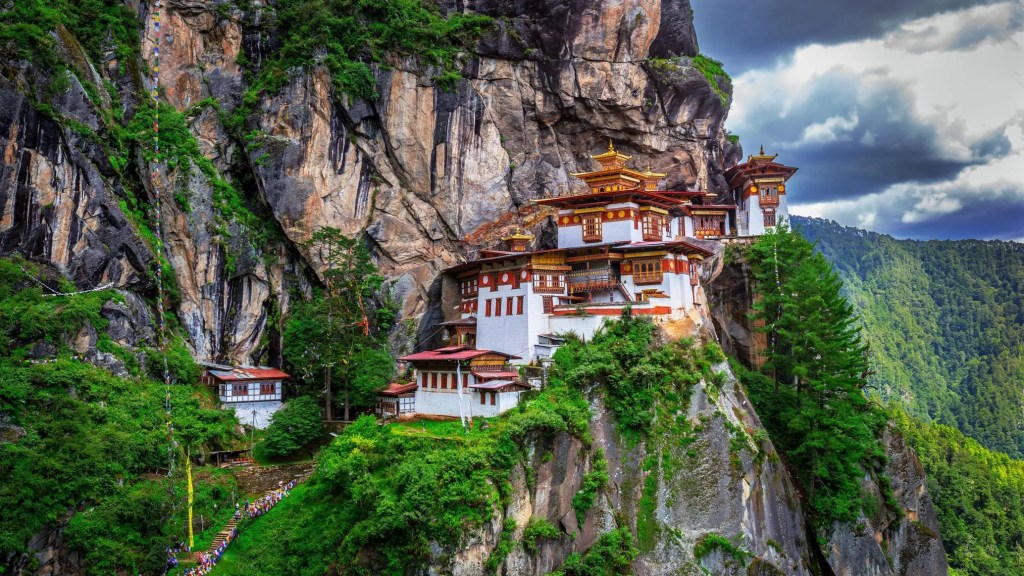
  • Tiger’s Nest Monastery (Taktsang Palphug): Perched dramatically on a cliffside, this is Bhutan’s most iconic landmark. The 2-3-hour hike rewards visitors with stunning views and spiritual tranquility.
  • Paro Dzong (Rinpung Dzong): A magnificent fortress-monastery that hosts the Paro Tsechu.
  • National Museum of Bhutan: Offers a rich overview of Bhutanese art, culture, and history.

2. Thimphu

  • Buddha Dordenma: A massive golden statue overlooking the Thimphu Valley.
  • Memorial Chorten: A revered stupa popular among locals for daily prayers.
  • Tashichho Dzong: The seat of the Bhutanese government and monastic body.
  • Craft Bazaar: Perfect for picking up handmade Bhutanese textiles, paper products, and more.

3. Punakha

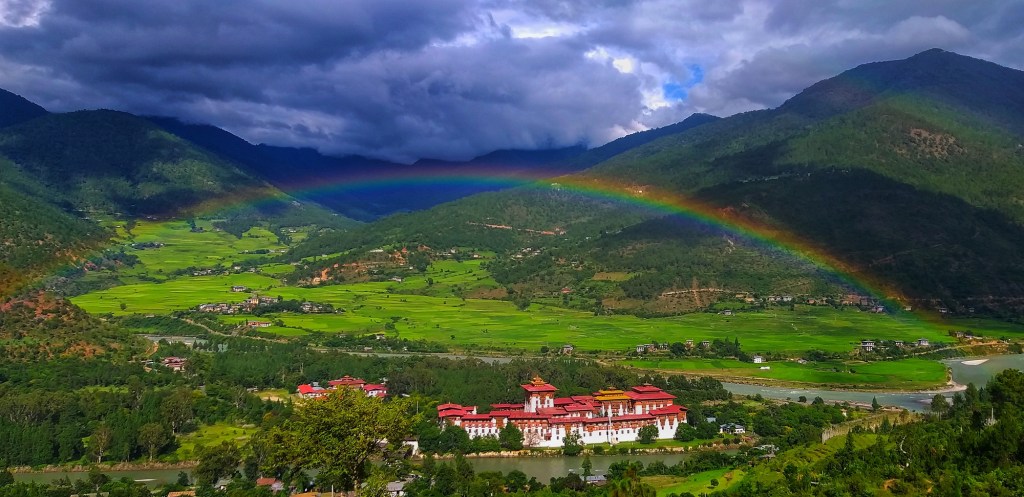
  • Punakha Dzong: Considered the most beautiful dzong in Bhutan, it is located at the confluence of the Pho and Mo Chu rivers.
  • Chimi Lhakhang: A temple dedicated to the “Divine Madman” and known for fertility blessings.
  • Suspension Bridge: One of the longest in Bhutan, offering scenic river views.

4. Phobjikha Valley

  • A serene glacial valley and home to the endangered black-necked cranes that migrate here in winter.
  • Gangtey Monastery: A prominent Nyingmapa monastery overlooking the valley.

5. Bumthang

  • Known as the spiritual heartland of Bhutan.
  • Rich in ancient temples and sacred sites like Jambay Lhakhang and Kurjey Lhakhang.
  • Ideal for cultural immersion and less-trodden trekking routes.

6. Haa Valley

  • A relatively unexplored region, offering traditional Bhutanese lifestyles, ancient shrines, and scenic trails.
  • Ideal for travelers looking for off-the-beaten-path experiences.

7. Trashigang and Eastern Bhutan

  • Remote and ethnically diverse, with a rich cultural identity.
  • Highlights include Trashigang Dzong and Rhadi village for textile weaving.

Treks and Outdoor Activities

  • Druk Path Trek: A moderate 5-6-day trek from Paro to Thimphu, passing through high ridges and glacial lakes.
  • Jomolhari Trek: A challenging trek with views of Mt. Jomolhari and remote villages.
  • Snowman Trek: One of the toughest treks in the world, traversing high Himalayan passes.

Other activities include:

  • River rafting (especially in Punakha)
  • Mountain biking
  • Cultural tours
  • Photography expeditions

Cultural Experiences

  • Festivals (Tsechus): Vibrant mask dances, traditional music, and community gatherings are integral to Bhutanese culture.
  • Traditional Dress: Locals wear gho (men) and kira (women), adding to the charm of the country.
  • Bhutanese Cuisine: Try ema datshi (chili cheese stew), red rice, and suja (butter tea).

Travel Tips

  • Visa Requirements: All travelers (except Indian, Bangladeshi, and Maldivian citizens) need a visa, arranged through a registered Bhutanese tour operator.
  • Sustainable Development Fee (SDF): Bhutan charges a daily fee for international tourists to promote sustainable tourism.
  • Guided Tours: Independent travel is restricted; tours are generally accompanied by certified guides.
  • Altitude: Some areas are at high elevations—stay hydrated and pace your activities.

Conclusion

Bhutan is more than just a destination—it’s a journey into a different way of life. With its emphasis on happiness, preservation, and spiritual depth, visiting Bhutan offers a refreshing escape from the modern world’s chaos. Whether you’re meditating in a monastery, trekking in the Himalayas, or simply breathing in the clean mountain air, Bhutan promises an unforgettable and meaningful adventure.