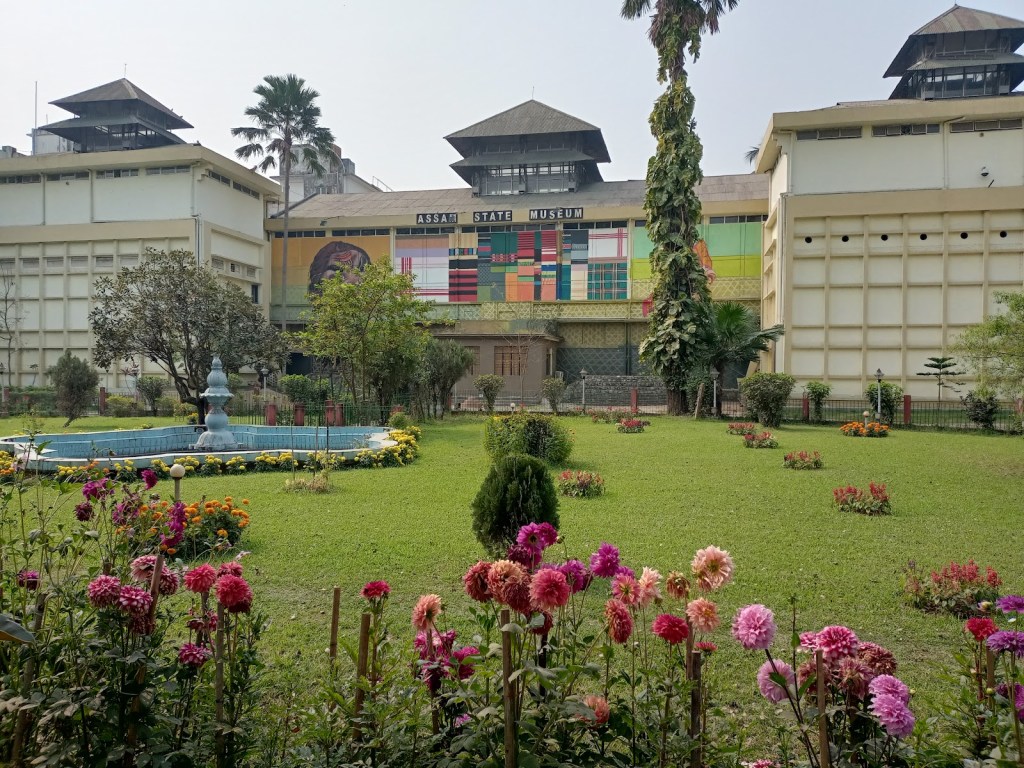
Located in the heart of Guwahati, the Assam State Museum is one of the most fascinating cultural landmarks in Northeast India.
As you step inside, the museum feels like a walk through time — each gallery unveiling a new chapter of Assam’s past. From prehistoric tools to medieval manuscripts, the collection reflects the region’s deep connection to art, faith, and nature. The exhibits are thoughtfully arranged across several sections, including Archaeology, Epigraphy, Iconography, Numismatics, Ethnography, and Art & Crafts.
One of the most captivating sections is the Archaeological Gallery, showcasing sculptures, terracotta works, and relics dating back to the 5th and 12th centuries. These ancient artifacts reveal the influence of dynasties like the Palas and Kochs, whose patronage shaped Assam’s artistic identity. The Epigraphy section displays inscriptions in Sanskrit and old Assamese scripts — each a record of Assam’s evolving language and legacy.
Equally engaging is the Ethnographic section, offering a window into the traditional life of Assam’s many tribes. Visitors can see tribal costumes, ornaments, bamboo crafts, musical instruments, and household items that celebrate the creativity of communities such as the Bodos, Mishings, and Nagas. This section beautifully captures Assam’s cultural diversity and craftsmanship.
For art lovers, the museum’s Fine Arts Gallery exhibits paintings, masks, and manuscripts that highlight Assam’s unique aesthetic sense — from religious motifs to rural scenes. Meanwhile, the Numismatic Gallery showcases rare coins that trace trade and economy through centuries.
Outside, the museum complex itself is serene, surrounded by manicured gardens and colonial-era architecture that add to its charm. Guided tours help visitors understand the stories behind each exhibit, making it a great destination for both history enthusiasts and casual travelers.
Whether you’re a culture seeker, a student of history, or simply curious about Assam’s vibrant heritage, the Assam State Museum offers an immersive experience — a place where the past lives vividly through art, craftsmanship, and storytelling.
Nestled among rolling hills and pine forests, Shillong—known as the “Scotland of the East”—is Meghalaya’s charming capital. Famous for its pleasant climate, colonial architecture, and natural beauty, Shillong offers something for every traveler.
Must-Visit Places in Shillong
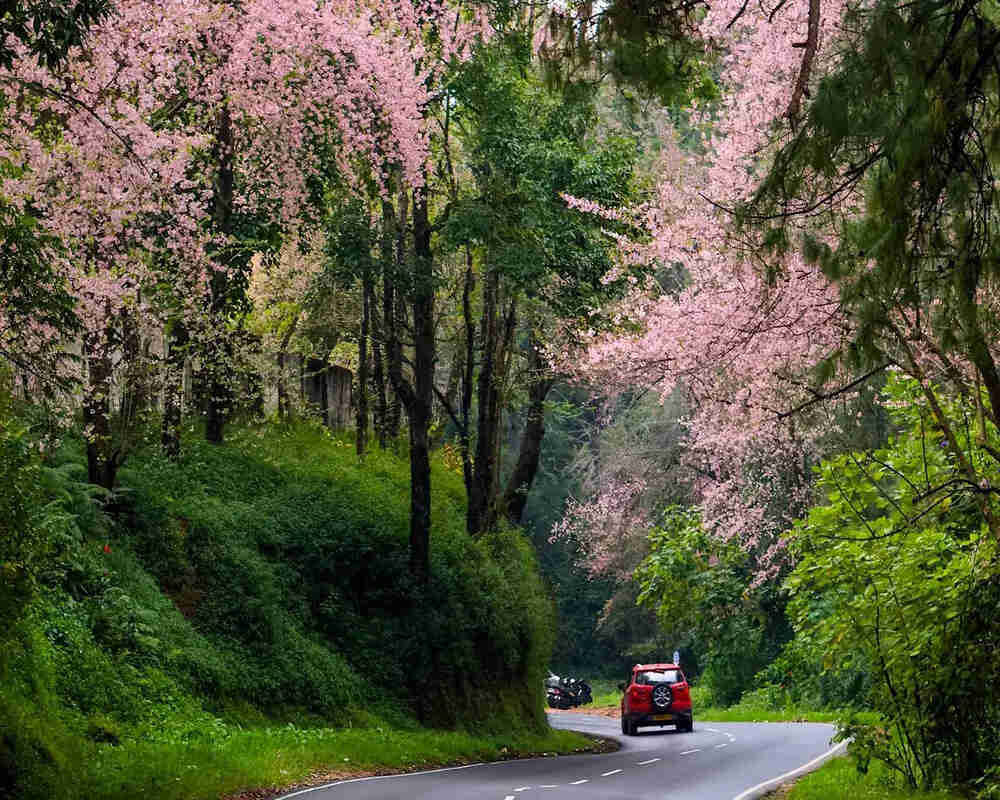
Ward’s Lake A serene artificial lake in the city center, perfect for leisurely walks and paddle boating. Don’t miss the Cherry Blossom Festival in November.
Lady Hydari Park A family-friendly park with a small zoo, deer park, and playgrounds surrounded by lush greenery.
Cathedral of Mary Help of Christians One of Shillong’s oldest churches, featuring stunning stained glass and peaceful vibes atop a hill.
Don Bosco Museum A seven-floor museum showcasing the rich tribal heritage of Northeast India—a must for culture lovers.
Shillong Peak The highest point in Meghalaya offering panoramic views of the city, Himalayas, and even Bangladesh. Entry requires valid ID as it lies within an Air Force base.
Police Bazaar The bustling market hub for local crafts, street food, and authentic Khasi cuisine—perfect for shopping and soaking in local life.
Nearby Attractions
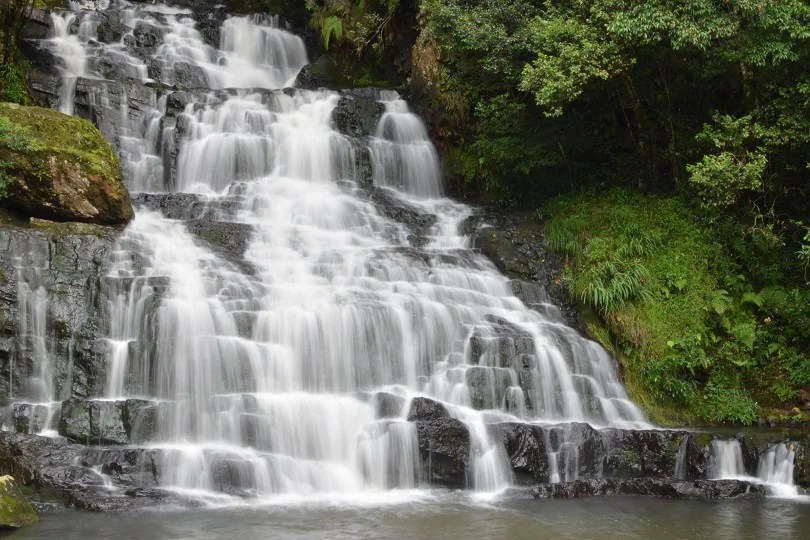
Elephant Falls (12 km)
Laitlum Canyons (21 km)
Mawphlang Sacred Forest (25 km)
Shillong combines natural beauty, culture, and colonial charm—ideal for romantic getaways, family vacations, or solo adventures. Pack your bags and discover the heart of Meghalaya!
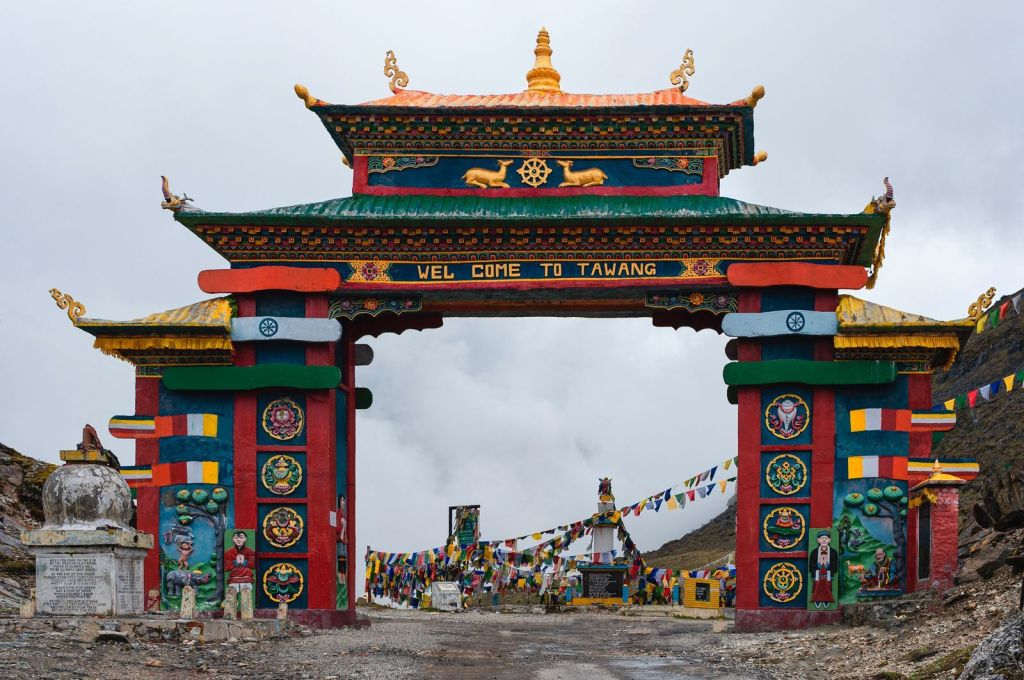
Arunachal Pradesh, meaning “land of dawn-lit mountains,” is a stunning state in Northeast India. Among its gems, Tawang—a serene town perched at 10,000 ft—stands out for its natural beauty, rich Buddhist culture, and deep spiritual roots. Famous for its monasteries and scenic landscapes, Tawang is also the birthplace of the 6th Dalai Lama.
Tawang Travel Essentials
Best time to visit: March–June & Sept–Oct
How to reach: Nearest airport – Salonibari (Tezpur, Assam); nearest railway – Rangapara
Permit: Inner Line Permit (ILP) required for all visitors
Top 6 Places to Visit in Tawang
1. Sela Pass
A snow-covered mountain pass offering breathtaking views of the eastern Himalayas and Sela Lake. It’s a must-visit en route to Tawang. 78 km from Tawang
2. Tawang Monastery
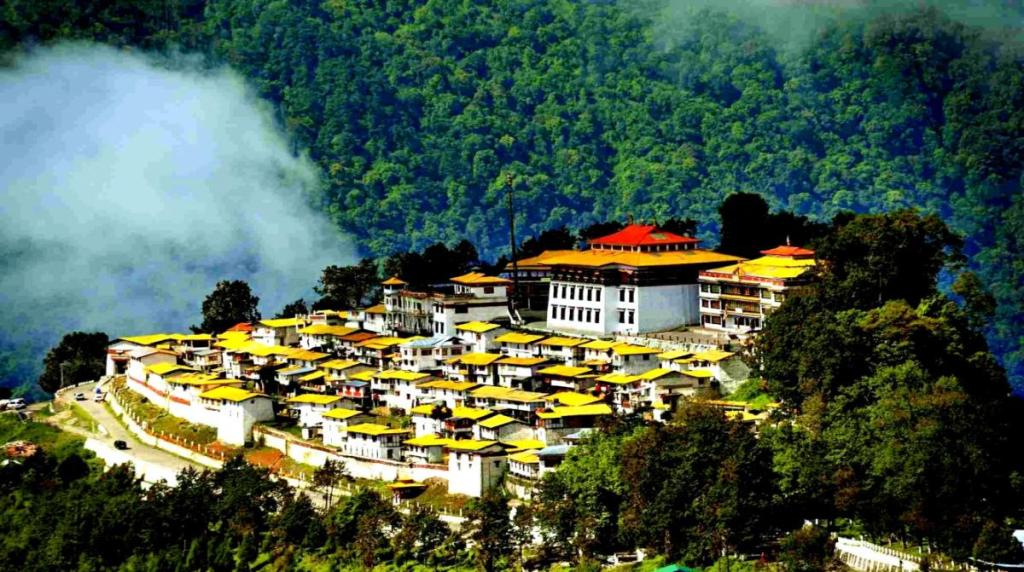
The largest monastery in India and second-largest in the world. This 400-year-old marvel offers spiritual calm and stunning valley views. In Tawang town
3. Nuranang Falls (Jang Falls)
Hidden amidst dense forests, this 100 m high waterfall is serene and unspoiled—perfect for a quiet retreat. 30 km from Tawang
4. Madhuri Lake (Shungtser Lake)
A pristine high-altitude lake named after actress Madhuri Dixit (from the film Koyla), surrounded by snowy peaks and spiritual energy. 30 km from Tawang
5. Tawang War Memorial
A 40-ft memorial honoring soldiers of the 1962 Sino-India war, offering both historical insight and panoramic views. Near Tawang town
6. Gorichen Peak
At 22,500 ft, it’s the highest peak in Arunachal Pradesh. Sacred to the local Monpa tribe, it’s visible on the way to Tawang. ~164 km from Tawang
Tawang is more than just a destination—it’s a soulful journey through mountains, monasteries, and memories. Whether you’re in search of peace, adventure, or culture, Tawang welcomes you with open arms and snow-kissed peaks.
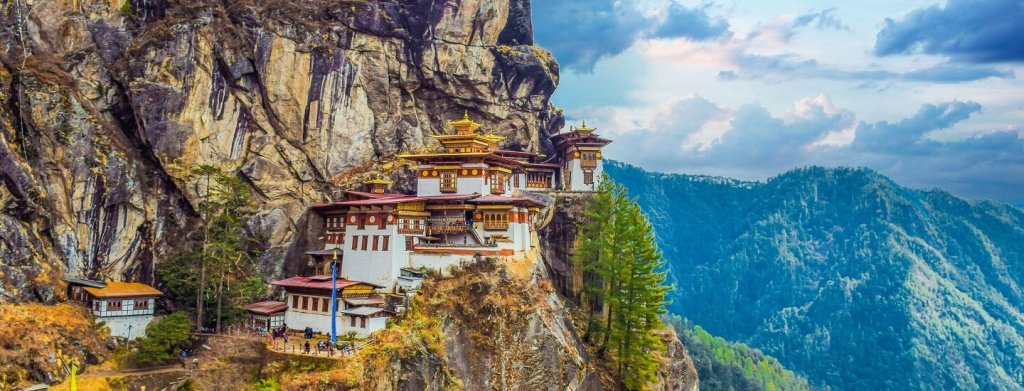
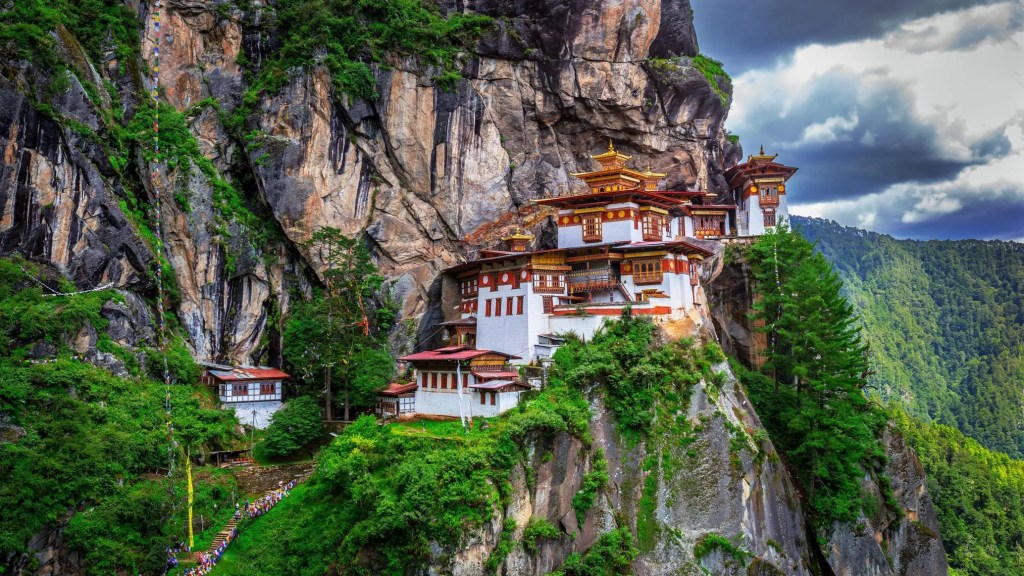
Clinging dramatically to the cliffs of Upper Paro Valley, Tiger’s Nest sits 10,000 feet above sea level. Believed to be the meditation site of Padmasambhava (Guru Rinpoche), this sacred monastery is reached by a 2–3-hour uphill hike.
The Hike to Tiger’s Nest
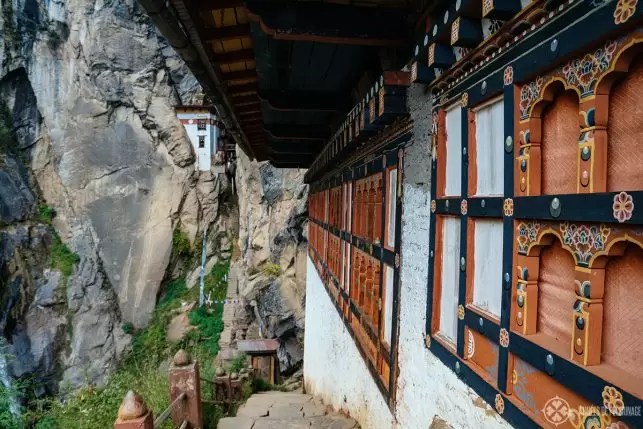
Steep trail with stunning views as the monastery appears through the mist.
A midway canteen offers food and a popular photo spot.
Horses available till the canteen (₹600/BTN).
From there: 700 stone steps lead to the entrance.
Inside: caves, temples, holy water springs, and mystical sites like Tiger’s Lair and Phurpa Lhatsho.
Legend Behind the Name
Guru Padmasambhava is believed to have flown here on a tigress, subdued local demons, and meditated in a cave for 4 months, spreading Tantric Buddhism in the 8th century.
Hiking Tips
Start early to avoid the heat
Carry water, energy bars, walking stick (available for ₹50)
Travel light
Travel Info
Best time to visit: March–April & September–November
Hike duration: 2–3 hours one way; total trip ~7 hours
Getting there: Fly to Paro International Airport or take a cab from Bagdogra (India – 8 hrs)
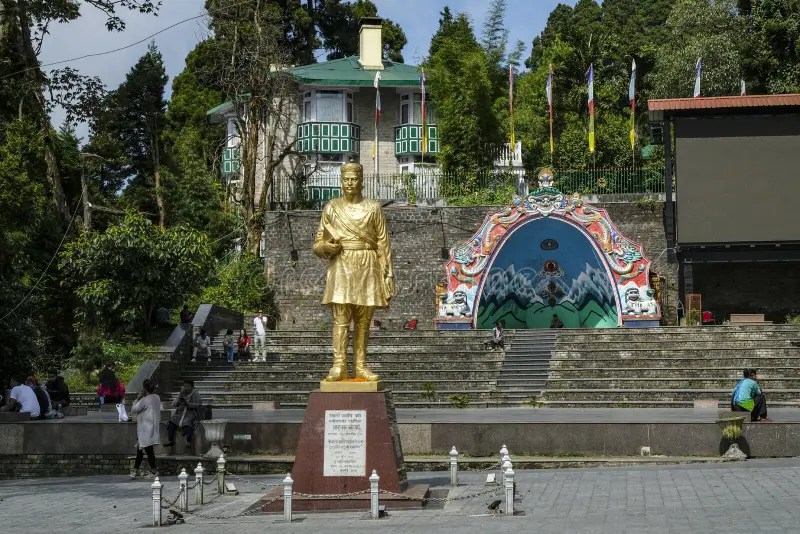
At the heart of Darjeeling town lies Chowrasta, a lively open square that captures the true spirit of this famous hill station. Perched on The Mall Road, Chowrasta is a pedestrian-only zone, making it a favourite spot for both locals and tourists to relax, shop, and soak in stunning Himalayan views.
Flanked by old colonial-era benches, heritage book stores, quaint tea shops, boutique stores, and souvenir stalls, Chowrasta offers a charming blend of old-world nostalgia and modern buzz. Popular shops likeOxford Bookstore, curio stores, and local handicraft outlets make it a shopper’s delight.
Horse rides, street food stalls selling momos and tea, and occasional street performances add to its timeless vibe. The square also hosts cultural events and festivals, often becoming a stage for local musicians and artists.
Chowrasta is not just a tourist stop — it’s where the town comes alive. Sit on a bench with a hot cup of Darjeeling tea, watch the changing colours of the Kanchenjunga, or chat with friendly locals — time slows down here.
Nearby attractions: Walk along The Mall Road for scenic viewpoints, visit the iconic St. Andrew’s Church, or drop by the historic Bhutia Market for winter woollens and souvenirs.
Best time to visit: Throughout the year, but especially pleasant from March to May and October to December.
A stroll through Chowrasta is more than just sightseeing — it’s experiencing the heart and soul of Darjeeling.
Every November, the peaceful Phobjikha Valley in central Bhutan comes alive with colour and tradition during the Black-Necked Crane Festival, a unique event that blends conservation with culture. This festival is held at the Gangtey Monastery to welcome the arrival of the endangered Black-Necked Cranes, which migrate from Tibet to Bhutan for the winter.
These majestic birds, revered as sacred symbols of longevity and prosperity, hold a special place in Bhutanese folklore. The festival was started in 1998 to raise awareness about the importance of protecting these rare birds and their fragile habitat.
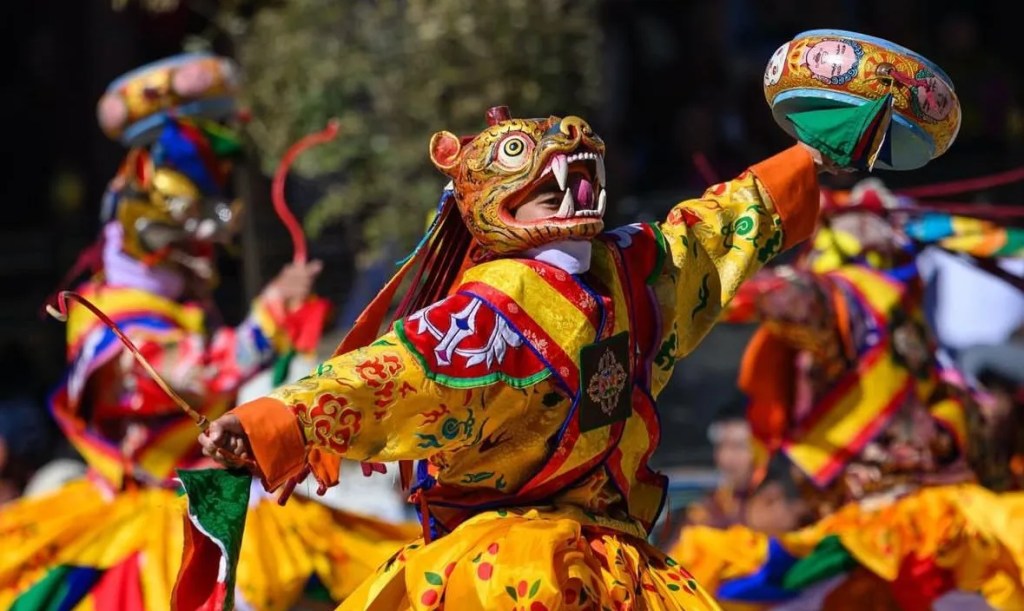
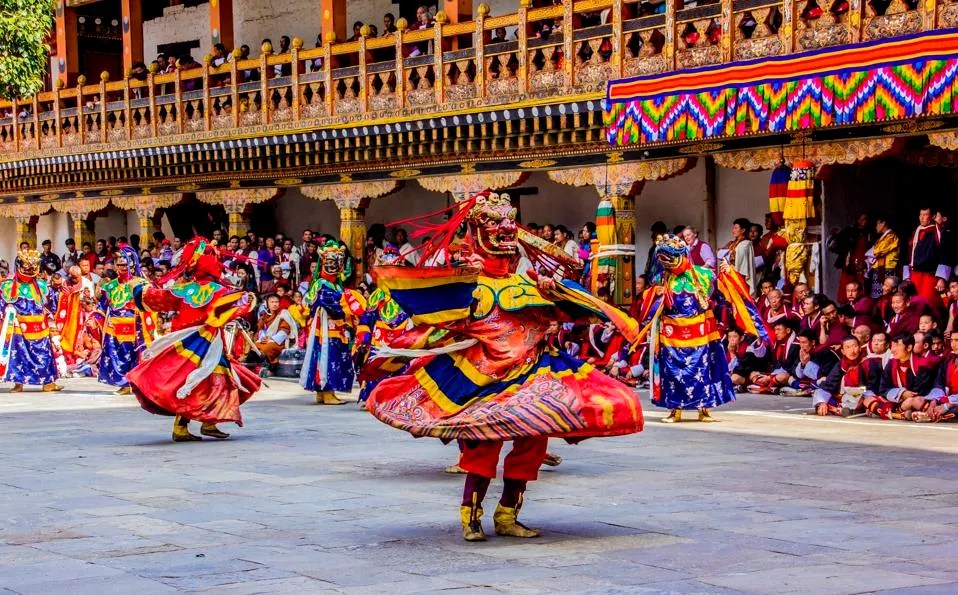
Locals, monks, and schoolchildren perform traditional mask dances, folk songs, and crane-themed skits, all designed to spread messages of conservation and community harmony. Visitors can also witness the graceful cranes feeding in the wetlands of Phobjikha, surrounded by panoramic views of glacial valleys and alpine meadows.
Best time to visit: November, when the cranes arrive and the festival is held, usually around November 11, coinciding with the birth anniversary of His Majesty the Fourth King of Bhutan.
How to reach: Phobjikha Valley is about 135 km from Thimphu. The nearest town is Wangdue Phodrang, about 45 km away. Visitors usually travel by road from Thimphu or Paro.
The Black-Necked Crane Festival is more than just a celebration — it’s a testament to Bhutan’s commitment to conservation, culture, and living in harmony with nature.
Hidden in the South Garo Hills of Meghalaya, Balpakram National Park is one of India’s most intriguing and biodiverse natural reserves. Spread over 220 square kilometers, it is often called the “Land of Spirits”, owing to the deep spiritual beliefs of the local Garo tribe, who consider it a resting place for departed souls.
The park is a rich tapestry of subtropical forests, deep gorges, and rugged cliffs, perched at an altitude of about 3,000 feet. It is part of the Garo Hills Conservation Area, a vital habitat in the Indo-Myanmar biodiversity hotspot.
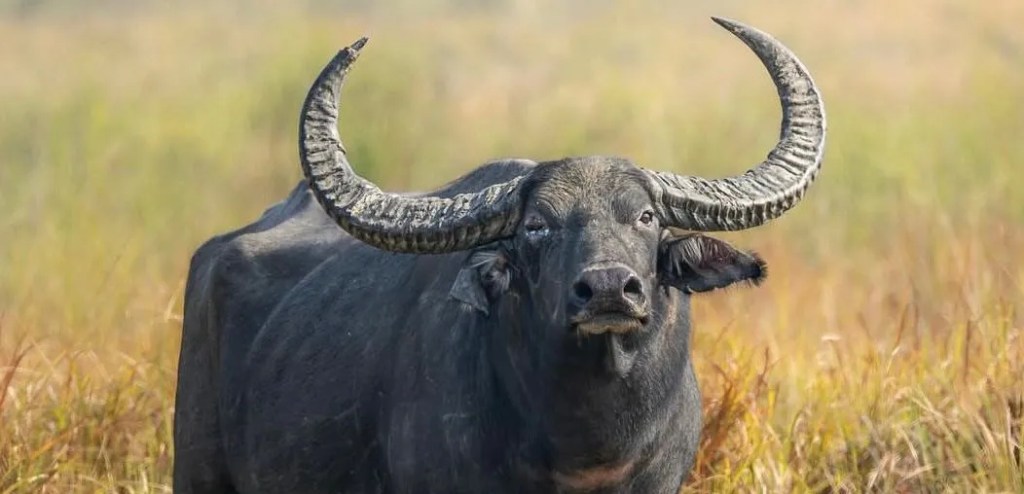
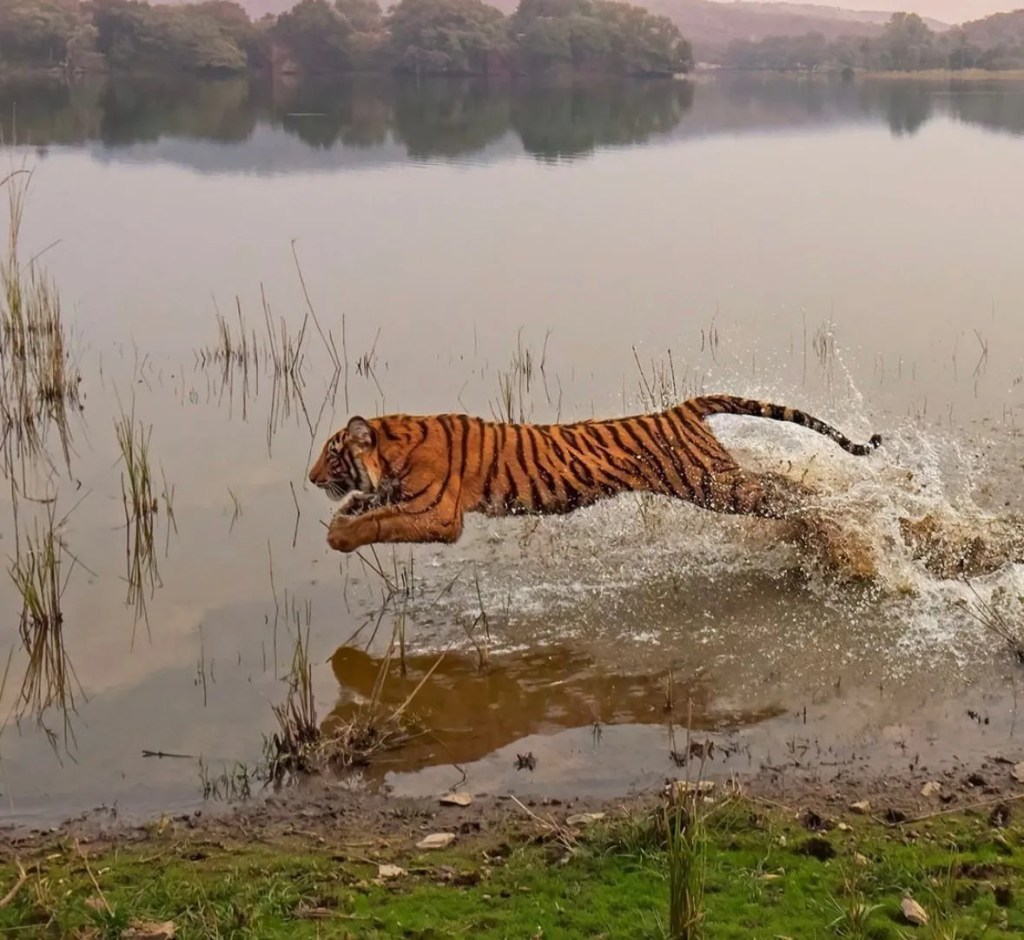
Balpakram is famous for its rare and endangered species like the Red Panda, Asian Elephant, Clouded Leopard, and the elusive Bengal Tiger. The park is also home to the endangered Wild Water Buffalo and the rare Golden Cat. Its forests support a vibrant birdlife, making it a paradise for birdwatchers and wildlife enthusiasts.
Besides its rich wildlife, Balpakram is shrouded in myths and legends. Natural wonders like the Goncho Dare Gorge and the Mysterious Balpakram Plateau add to its mystical aura, with local stories of spirits guarding these sacred lands.
Best time to visit: October to March, when the weather is pleasant and wildlife sightings are best.
How to reach: The nearest town is Baghmara, about 45 km away, connected by road from Tura (around 180 km). The closest airport is in Guwahati, Assam, around 220 km away, followed by a scenic road trip through the Garo Hills.
Balpakram remains one of Northeast India’s best-kept secrets — a place where nature, myths, and raw wilderness meet.
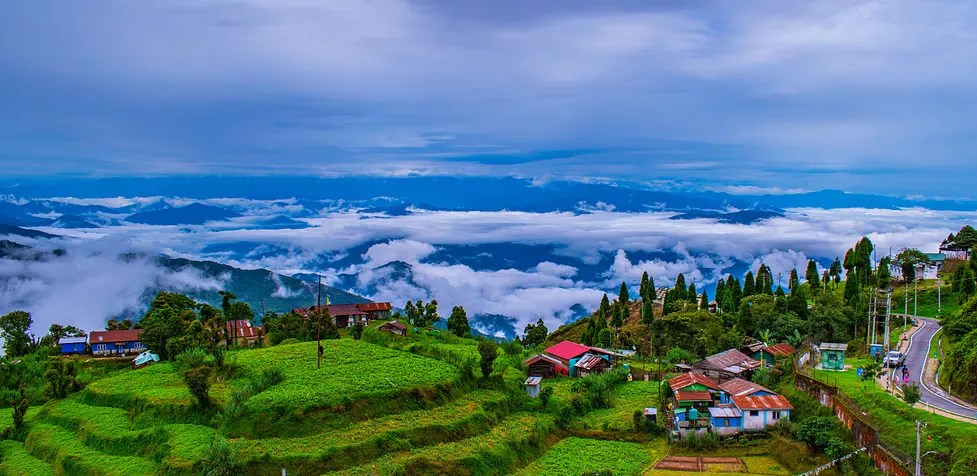
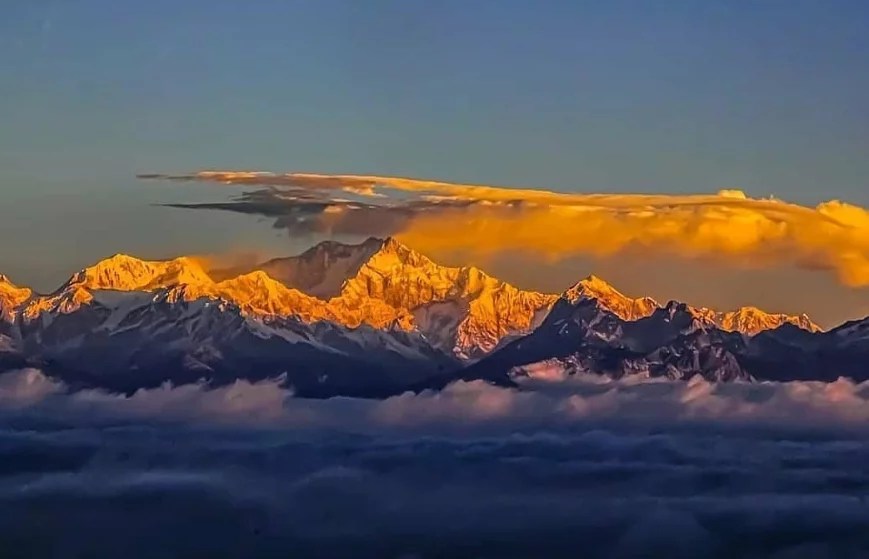
Nestled in the foothills of the Eastern Himalayas, Darjeeling is a scenic hill station in the Indian state of West Bengal, celebrated for its panoramic vistas, colonial charm, world-renowned tea, and rich cultural diversity. Often referred to as the “Queen of the Hills”, Darjeeling’s cool climate, lush tea gardens, and breathtaking views of Mt. Kanchenjunga make it a favorite destination for travelers, nature lovers, and adventure seekers.
Best Season to Visit Darjeeling
Darjeeling offers distinct experiences throughout the year. Here’s a breakdown to help you choose the ideal time based on your interests,best season to visit Darjeeling:
Spring (March to May) – Best Overall Season
Clear skies and mild temperatures (10°C to 20°C).
Perfect time for sightseeing, trekking, and viewing snow-capped peaks.
The flowering season: rhododendrons, magnolias, and orchids bloom across the hills.
Summer (June to early July) – Good for Escaping the Heat
Pleasant weather (15°C to 25°C), attracting tourists from the plains.
Occasional pre-monsoon showers but mostly travel-friendly.
Tea estates are in full swing; great for plantation tours.
Monsoon (Mid-July to September) – Low Season but Lush Landscapes
Heavy rainfall and landslide risks; not ideal for travel.
Fewer tourists and deeply verdant hills.
Ideal for quiet retreats, photography, and budget travel (if you’re prepared for rain).
Autumn (October to November) – Best for Views and Festivals
Post-monsoon clarity makes for stunning Himalayan vistas.
Ideal for treks and cultural events like Durga Puja and Tihar (Diwali).
Temperatures range between 8°C and 18°C.
Winter (December to February) – Chilly and Quiet
Cold temperatures (as low as 2°C), with occasional frost.
Fewer tourists and serene landscapes.
Excellent time for budget travelers and those who enjoy crisp mountain air.
Top Places to Visit in Darjeeling
1. Tiger Hill
Famous for its sunrise views over Mt. Kanchenjunga and, on clear days, distant glimpses of Mt. Everest.
Arrive early (around 4 AM) to get a good spot.
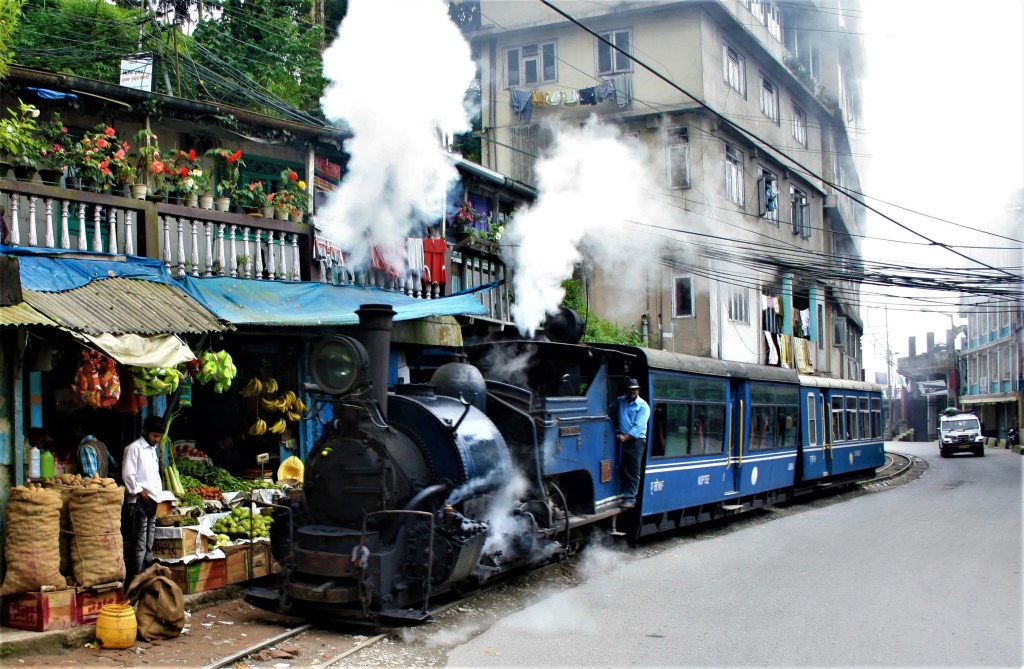
2. Darjeeling Himalayan Railway (Toy Train)
A UNESCO World Heritage Site.
Offers scenic rides between New Jalpaiguri and Darjeeling, especially the Ghum loop.
Best enjoyed on the steam-engine joy ride between Darjeeling and Ghum.
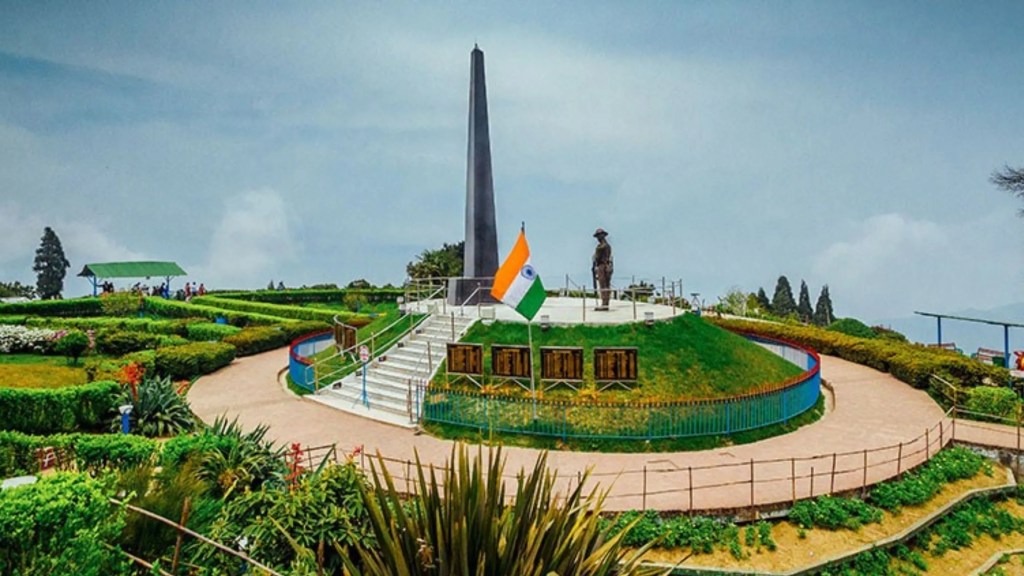
3. Batasia Loop
A picturesque railway loop with panoramic views of the mountains and a war memorial.
Great spot for photography and watching the Toy Train pass through.
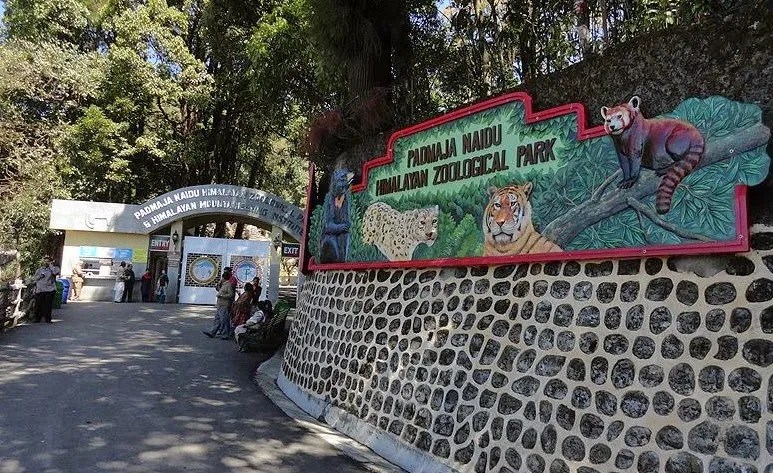
4. Padmaja Naidu Himalayan Zoological Park
Renowned for its breeding programs of endangered Himalayan species like the red panda, snow leopard, and Himalayan wolf.
Also home to the Himalayan Mountaineering Institute (HMI) and Tenzing Norgay’s museum.
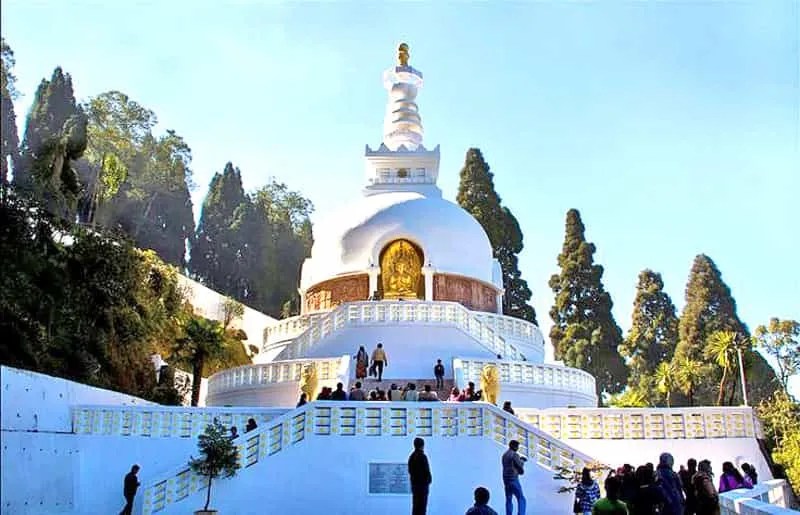
5. Peace Pagoda
A serene Japanese pagoda offering sweeping views of the surrounding hills.
Promotes peace and unity and is one of the most tranquil places in Darjeeling.
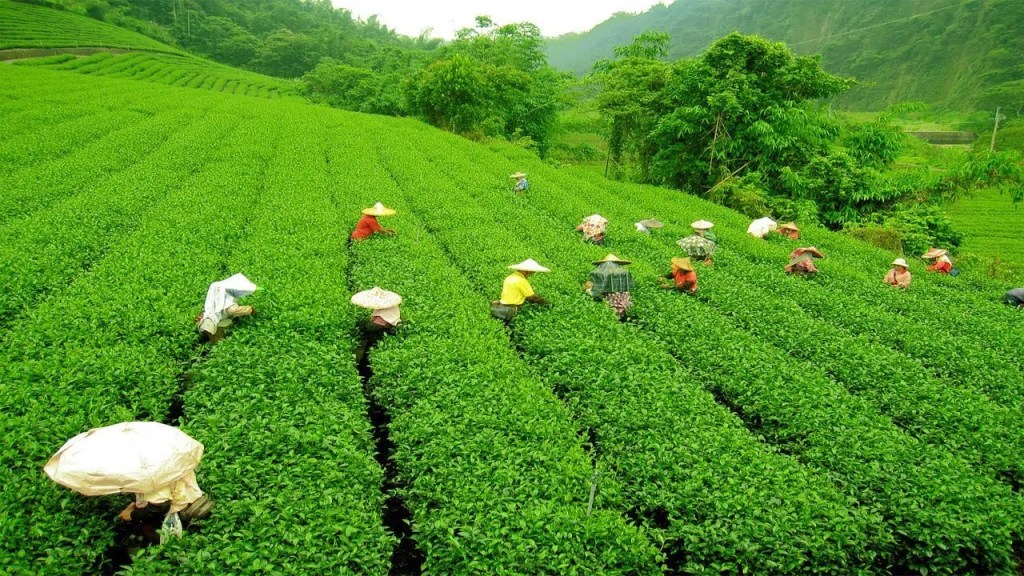
6. Tea Gardens and Estates
Visit world-famous plantations like Happy Valley Tea Estate for guided tours and tea tasting.
Learn about the process from plucking to packaging.
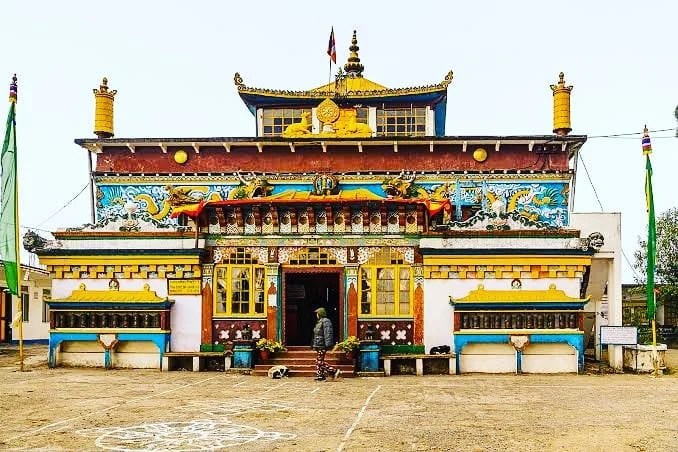
7. Ghum Monastery (Yiga Choeling)
One of the oldest Tibetan Buddhist monasteries in the region.
Houses a majestic statue of Maitreya Buddha and ancient manuscripts.
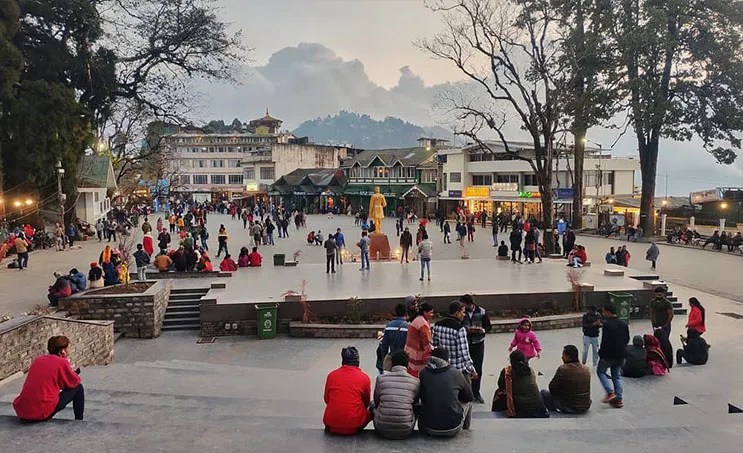
8. Chowrasta and Mall Road
Central town square lined with shops, eateries, and benches overlooking the mountains.
Great for leisurely walks, local shopping, and people-watching.
9. Observatory Hill & Mahakal Temple
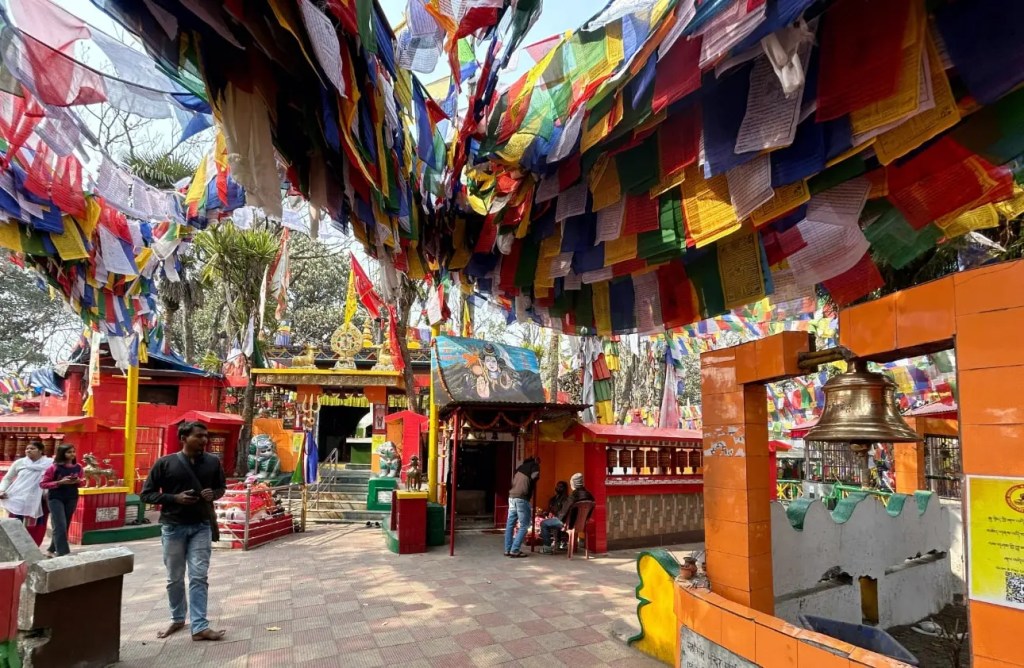
Sacred to both Hindus and Buddhists, with vibrant prayer flags and spiritual vibes.
A short but steep walk from Mall Road.
10. Rock Garden and Ganga Maya Park
Landscaped gardens and waterfalls set against a natural backdrop.
Ideal for family outings and picnics.
Nearby Excursions
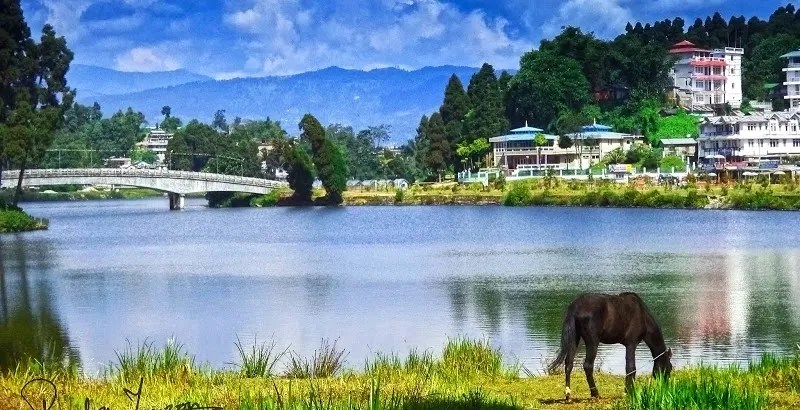
Mirik
A peaceful town about 2 hours from Darjeeling.
Famous for Sumendu Lake, orange orchards, and tea gardens.
Kurseong
Known as the “Land of White Orchids.”
Offers charming colonial architecture and peaceful tea estates.
Cultural Insights
Cuisine: Try local delicacies like momos, thukpa, Darjeeling tea, and Sel roti.
People: A cultural blend of Nepali, Tibetan, Bengali, and Lepcha communities.
Festivals: Don’t miss the Darjeeling Carnival (November), Buddha Jayanti, and regional music and dance performances.
Travel Tips
How to Reach:
By Air: Nearest airport is Bagdogra (IXB), 3 hours away.
By Train: New Jalpaiguri (NJP) is the nearest major railway station.
By Road: Regular shared taxis and buses from Siliguri and NJP.
Accommodation: Ranges from heritage hotels to cozy homestays with mountain views.
Clothing: Layered clothing is advisable year-round due to varying temperatures.
Permits: No special permits needed for Darjeeling, but required if traveling to nearby Sikkim or Nathula Pass.
Conclusion
Darjeeling effortlessly combines natural splendor, colonial nostalgia, and Himalayan culture. Whether you’re sipping tea in a century-old plantation, watching the sunrise over the world’s third-highest peak, or meandering through bustling bazaars, Darjeeling offers something for every kind of traveler. Rich in experiences, it’s not just a destination—it’s a memory you’ll carry for life.
Tucked away in the eastern Himalayas, Bhutan is a small kingdom known for its stunning natural beauty, vibrant culture, and strong commitment to preserving its environment and heritage. Often referred to as the “Last Shangri-La”, Bhutan offers a rare opportunity to experience a country that prioritizes Gross National Happiness over Gross Domestic Product. With its pristine landscapes, sacred monasteries, and warm-hearted people, Bhutan is a haven for nature lovers, spiritual seekers, and curious travelers.
Best Season to Visit Bhutan
Bhutan has a varied climate due to its altitudinal differences, but the best season to visit bhutan depends on your interests:
Spring (March to May) – Best for Festivals and Rhododendrons
Pleasant weather with blooming flowers.
Ideal for trekking, especially in central and eastern Bhutan.
The famous Paro Tsechu festival takes place in April, attracting visitors with its mask dances and vibrant culture.
Autumn (September to November) – Best for Clear Views and Trekking
Crisp skies and clear mountain views.
Another prime season for trekking and photography.
Major festivals like Thimphu Tsechu and Wangdue Tsechu are celebrated.
Summer (June to August) – Monsoon Season
Lush green landscapes but frequent rain.
Ideal for exploring cultural sites with fewer tourists.
Not suitable for high-altitude treks due to slippery trails and leeches.
Winter (December to February) – Quiet and Serene
Cold but dry, especially in western Bhutan.
Best time for birdwatching in southern regions.
Snowfall in the north adds a magical touch to mountain views.
P
Top Places to Visit in Bhutan
1. Paro
Tiger’s Nest Monastery (Taktsang Palphug): Perched dramatically on a cliffside, this is Bhutan’s most iconic landmark. The 2-3-hour hike rewards visitors with stunning views and spiritual tranquility.
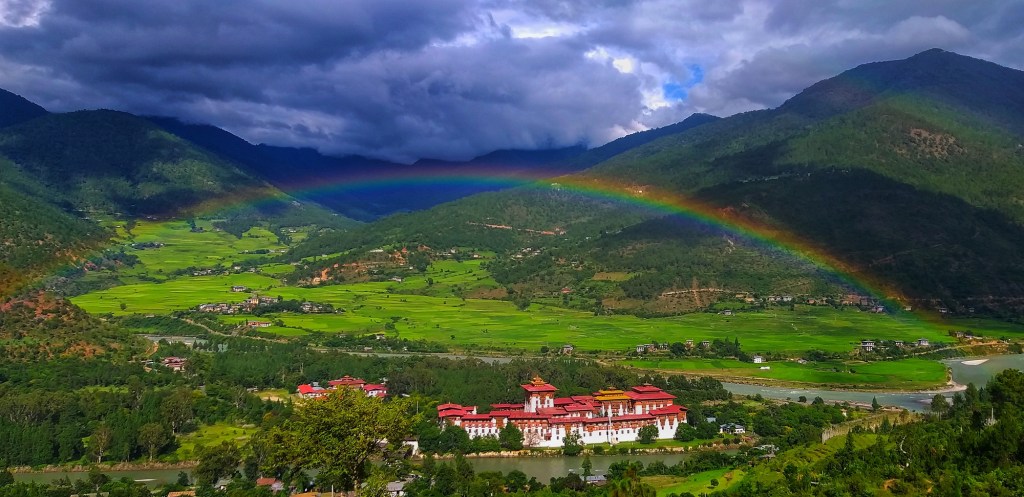
Paro Dzong (Rinpung Dzong): A magnificent fortress-monastery that hosts the Paro Tsechu.
National Museum of Bhutan: Offers a rich overview of Bhutanese art, culture, and history.
2. Thimphu
Buddha Dordenma: A massive golden statue overlooking the Thimphu Valley.
Memorial Chorten: A revered stupa popular among locals for daily prayers.
Tashichho Dzong: The seat of the Bhutanese government and monastic body.
Craft Bazaar: Perfect for picking up handmade Bhutanese textiles, paper products, and more.
3. Punakha
Punakha Dzong: Considered the most beautiful dzong in Bhutan, it is located at the confluence of the Pho and Mo Chu rivers.
Chimi Lhakhang: A temple dedicated to the “Divine Madman” and known for fertility blessings.
Suspension Bridge: One of the longest in Bhutan, offering scenic river views.
4. Phobjikha Valley
A serene glacial valley and home to the endangered black-necked cranes that migrate here in winter.
Gangtey Monastery: A prominent Nyingmapa monastery overlooking the valley.
5. Bumthang
Known as the spiritual heartland of Bhutan.
Rich in ancient temples and sacred sites like Jambay Lhakhang and Kurjey Lhakhang.
Ideal for cultural immersion and less-trodden trekking routes.
6. Haa Valley
A relatively unexplored region, offering traditional Bhutanese lifestyles, ancient shrines, and scenic trails.
Ideal for travelers looking for off-the-beaten-path experiences.
7. Trashigang and Eastern Bhutan
Remote and ethnically diverse, with a rich cultural identity.
Highlights include Trashigang Dzong and Rhadi village for textile weaving.
Treks and Outdoor Activities
Druk Path Trek: A moderate 5-6-day trek from Paro to Thimphu, passing through high ridges and glacial lakes.
Jomolhari Trek: A challenging trek with views of Mt. Jomolhari and remote villages.
Snowman Trek: One of the toughest treks in the world, traversing high Himalayan passes.
Other activities include:
River rafting (especially in Punakha)
Mountain biking
Cultural tours
Photography expeditions
Cultural Experiences
Festivals (Tsechus): Vibrant mask dances, traditional music, and community gatherings are integral to Bhutanese culture.
Traditional Dress: Locals wear gho (men) and kira (women), adding to the charm of the country.
Bhutanese Cuisine: Try ema datshi (chili cheese stew), red rice, and suja (butter tea).
Travel Tips
Visa Requirements: All travelers (except Indian, Bangladeshi, and Maldivian citizens) need a visa, arranged through a registered Bhutanese tour operator.
Sustainable Development Fee (SDF): Bhutan charges a daily fee for international tourists to promote sustainable tourism.
Guided Tours: Independent travel is restricted; tours are generally accompanied by certified guides.
Altitude: Some areas are at high elevations—stay hydrated and pace your activities.
Conclusion
Bhutan is more than just a destination—it’s a journey into a different way of life. With its emphasis on happiness, preservation, and spiritual depth, visiting Bhutan offers a refreshing escape from the modern world’s chaos. Whether you’re meditating in a monastery, trekking in the Himalayas, or simply breathing in the clean mountain air, Bhutan promises an unforgettable and meaningful adventure.
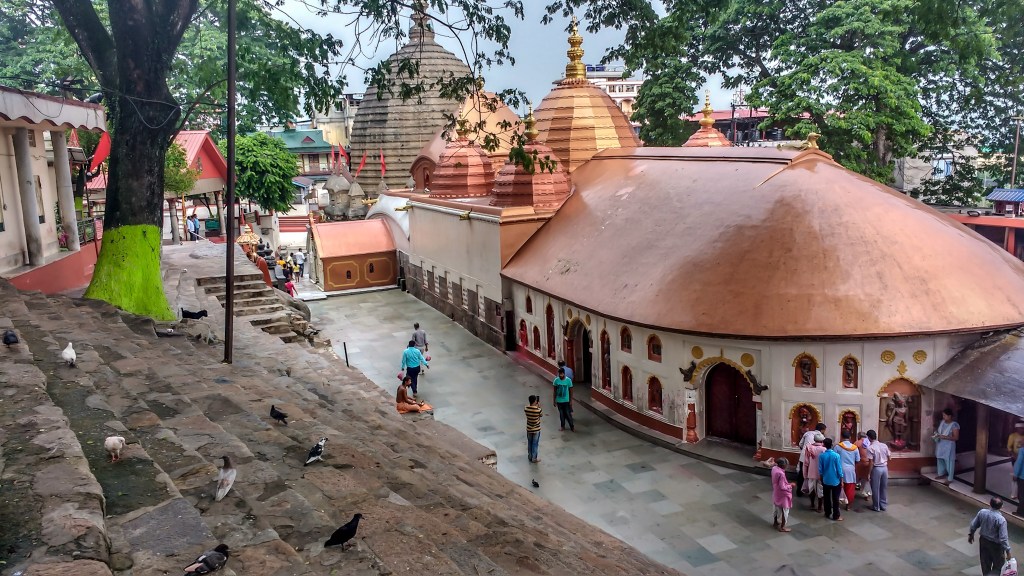
Kamakhya Mandir, one of the most revered Hindu shrines in India, is located atop the Nilachal Hill in Guwahati, Assam. Dedicated to the goddess Kamakhya, an incarnation of Shakti, this ancient temple is not only a significant pilgrimage destination but also a center of Tantric worship. It holds immense religious, cultural, and historical importance, attracting devotees and scholars from across the country and beyond.
Historical Significance
The Kamakhya temple is believed to have been built in the 8th-9th century by the Mlechchha dynasty and later rebuilt by the Koch king Naranarayan in the 16th century after it was destroyed. Over time, it has been renovated and maintained by various rulers and devotees. The current structure showcases a blend of Hindu and local Assamese architectural styles, most notably the beehive-shaped shikhara (tower) and intricately carved sculptures of Hindu deities.
Kamakhya is regarded as one of the 51 Shakti Peethas—sacred places associated with the body parts of Goddess Sati. According to legend, when Sati immolated herself in protest against her father Daksha’s insults towards Lord Shiva, a grief-stricken Shiva carried her corpse across the universe. Lord Vishnu used his Sudarshana Chakra to cut her body into pieces to relieve Shiva of his sorrow. These parts fell at various locations, and the Kamakhya temple is believed to mark the spot where her yoni (womb and genitalia) fell. Hence, it is a powerful symbol of feminine energy and fertility.
Religious and Spiritual Importance
The temple is unique in that it does not house a statue or idol of the goddess. Instead, the object of worship is a stone yoni-shaped structure that is kept moist by an underground spring. This symbolizes the creative power of the goddess. Tantric practices are prevalent here, and Kamakhya is considered a hub of Tantric Shaktism. The temple is open to both traditional and Tantric worshippers, making it an inclusive spiritual destination.
One of the most significant festivals held here is the Ambubachi Mela, which takes place in June. It celebrates the annual menstruation cycle of the goddess Kamakhya, symbolizing fertility and the creative power of nature. During the three-day period, the temple remains closed, and pilgrims throng to Guwahati to receive blessings when it reopens.
Architecture and Surroundings
The Kamakhya temple complex includes ten other temples dedicated to different Mahavidyas (aspects of the goddess), such as Kali, Tara, and Bhairavi. The main temple is made of stone and brick, with a distinctive dome and a series of curved roofs typical of Assamese architecture. The entrance and inner sanctum are adorned with images of various deities, mythological scenes, and floral motifs.
From the temple, one can enjoy a panoramic view of Guwahati city and the mighty Brahmaputra River. The serene atmosphere and spiritual aura of the place make it an ideal destination for those seeking peace and enlightenment.
Conclusion
Kamakhya Mandir is more than a temple; it is a symbol of divine feminine energy, spiritual wisdom, and cultural richness. Whether you are a devotee, a traveler, or a student of history and religion, a visit to this sacred hilltop shrine in Assam offers a unique and profound experience that lingers long after the journey ends.
Click the link to explore various places to visit in Assam:

 TourGenie Simplify Travel