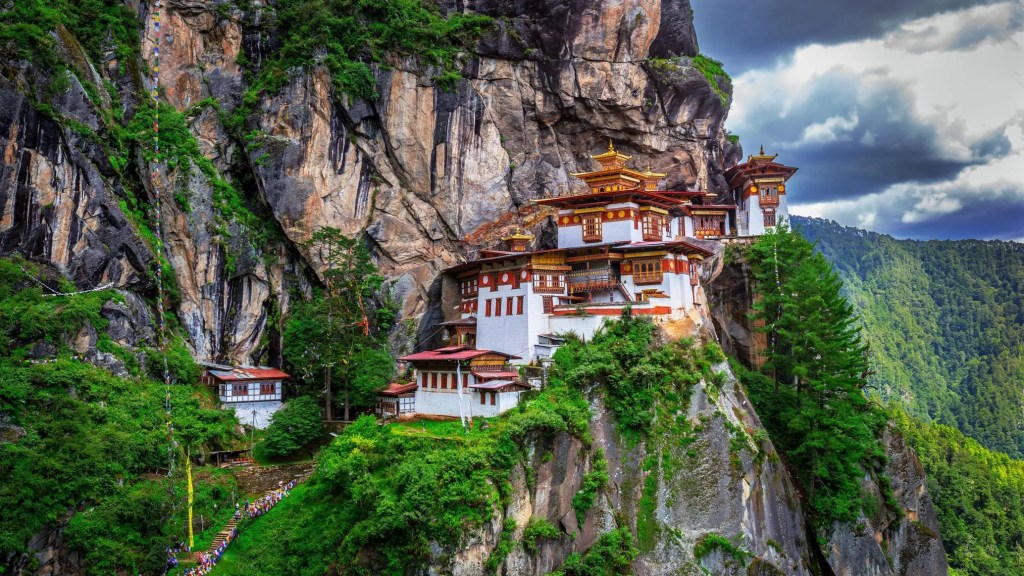
Tucked away in the eastern Himalayas, Bhutan is a small kingdom known for its stunning natural beauty, vibrant culture, and strong commitment to preserving its environment and heritage. Often referred to as the “Last Shangri-La”, Bhutan offers a rare opportunity to experience a country that prioritizes Gross National Happiness over Gross Domestic Product. With its pristine landscapes, sacred monasteries, and warm-hearted people, Bhutan is a haven for nature lovers, spiritual seekers, and curious travelers.
Best Season to Visit Bhutan
Bhutan has a varied climate due to its altitudinal differences, but the best season to visit bhutan depends on your interests:
Spring (March to May) – Best for Festivals and Rhododendrons
- Pleasant weather with blooming flowers.
- Ideal for trekking, especially in central and eastern Bhutan.
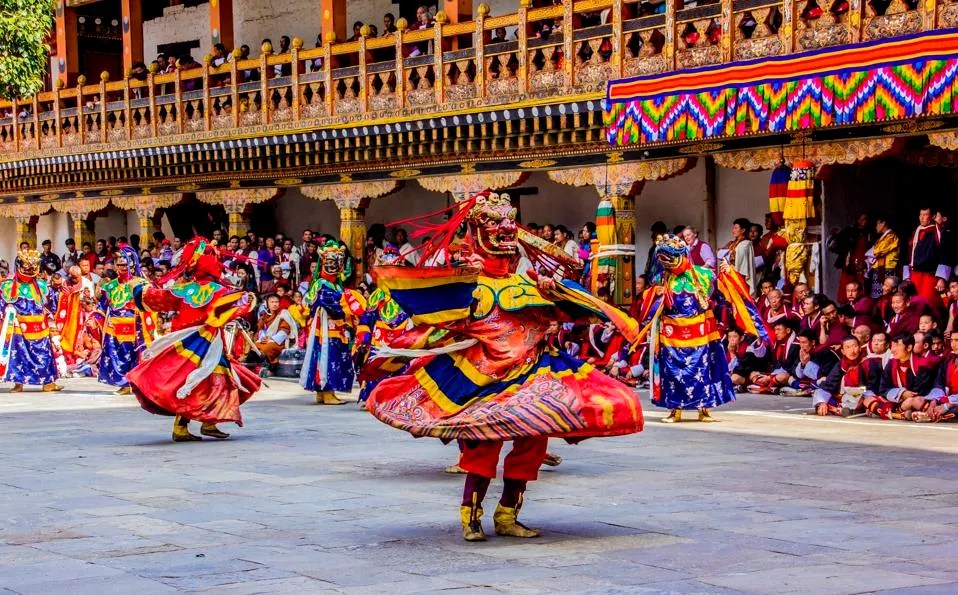
- The famous Paro Tsechu festival takes place in April, attracting visitors with its mask dances and vibrant culture.
Autumn (September to November) – Best for Clear Views and Trekking
- Crisp skies and clear mountain views.
- Another prime season for trekking and photography.
- Major festivals like Thimphu Tsechu and Wangdue Tsechu are celebrated.
Summer (June to August) – Monsoon Season
- Lush green landscapes but frequent rain.
- Ideal for exploring cultural sites with fewer tourists.
- Not suitable for high-altitude treks due to slippery trails and leeches.
Winter (December to February) – Quiet and Serene
- Cold but dry, especially in western Bhutan.
- Best time for birdwatching in southern regions.
- Snowfall in the north adds a magical touch to mountain views.
Top Places to Visit in Bhutan
1. Paro
- Tiger’s Nest Monastery (Taktsang Palphug): Perched dramatically on a cliffside, this is Bhutan’s most iconic landmark. The 2-3-hour hike rewards visitors with stunning views and spiritual tranquility.
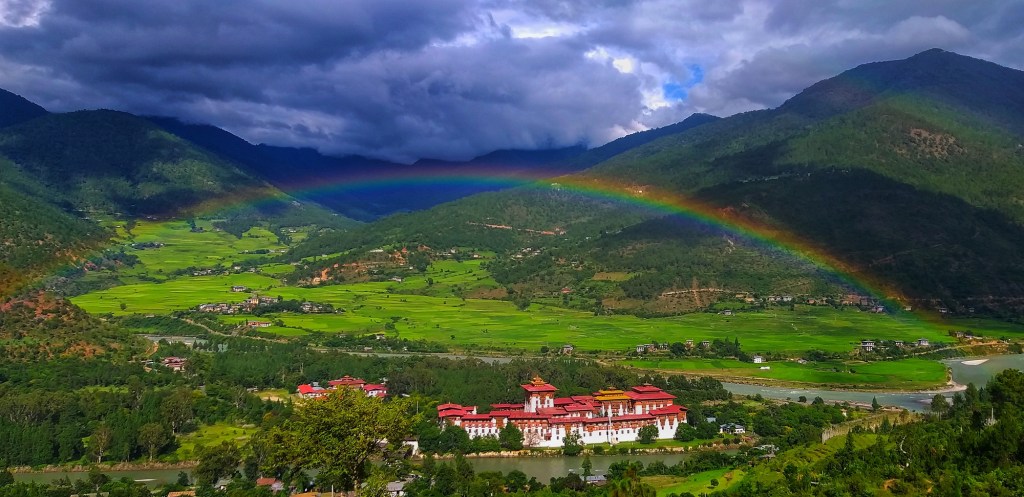
- Paro Dzong (Rinpung Dzong): A magnificent fortress-monastery that hosts the Paro Tsechu.
- National Museum of Bhutan: Offers a rich overview of Bhutanese art, culture, and history.
2. Thimphu
- Buddha Dordenma: A massive golden statue overlooking the Thimphu Valley.
- Memorial Chorten: A revered stupa popular among locals for daily prayers.
- Tashichho Dzong: The seat of the Bhutanese government and monastic body.
- Craft Bazaar: Perfect for picking up handmade Bhutanese textiles, paper products, and more.
3. Punakha
- Punakha Dzong: Considered the most beautiful dzong in Bhutan, it is located at the confluence of the Pho and Mo Chu rivers.
- Chimi Lhakhang: A temple dedicated to the “Divine Madman” and known for fertility blessings.
- Suspension Bridge: One of the longest in Bhutan, offering scenic river views.
4. Phobjikha Valley
- A serene glacial valley and home to the endangered black-necked cranes that migrate here in winter.
- Gangtey Monastery: A prominent Nyingmapa monastery overlooking the valley.
5. Bumthang
- Known as the spiritual heartland of Bhutan.
- Rich in ancient temples and sacred sites like Jambay Lhakhang and Kurjey Lhakhang.
- Ideal for cultural immersion and less-trodden trekking routes.
6. Haa Valley
- A relatively unexplored region, offering traditional Bhutanese lifestyles, ancient shrines, and scenic trails.
- Ideal for travelers looking for off-the-beaten-path experiences.
7. Trashigang and Eastern Bhutan
- Remote and ethnically diverse, with a rich cultural identity.
- Highlights include Trashigang Dzong and Rhadi village for textile weaving.
Treks and Outdoor Activities
- Druk Path Trek: A moderate 5-6-day trek from Paro to Thimphu, passing through high ridges and glacial lakes.
- Jomolhari Trek: A challenging trek with views of Mt. Jomolhari and remote villages.
- Snowman Trek: One of the toughest treks in the world, traversing high Himalayan passes.
Other activities include:
- River rafting (especially in Punakha)
- Mountain biking
- Cultural tours
- Photography expeditions
Cultural Experiences
- Festivals (Tsechus): Vibrant mask dances, traditional music, and community gatherings are integral to Bhutanese culture.
- Traditional Dress: Locals wear gho (men) and kira (women), adding to the charm of the country.
- Bhutanese Cuisine: Try ema datshi (chili cheese stew), red rice, and suja (butter tea).
Travel Tips
- Visa Requirements: All travelers (except Indian, Bangladeshi, and Maldivian citizens) need a visa, arranged through a registered Bhutanese tour operator.
- Sustainable Development Fee (SDF): Bhutan charges a daily fee for international tourists to promote sustainable tourism.
- Guided Tours: Independent travel is restricted; tours are generally accompanied by certified guides.
- Altitude: Some areas are at high elevations—stay hydrated and pace your activities.
Conclusion
Bhutan is more than just a destination—it’s a journey into a different way of life. With its emphasis on happiness, preservation, and spiritual depth, visiting Bhutan offers a refreshing escape from the modern world’s chaos. Whether you’re meditating in a monastery, trekking in the Himalayas, or simply breathing in the clean mountain air, Bhutan promises an unforgettable and meaningful adventure.

 TourGenie Simplify Travel